
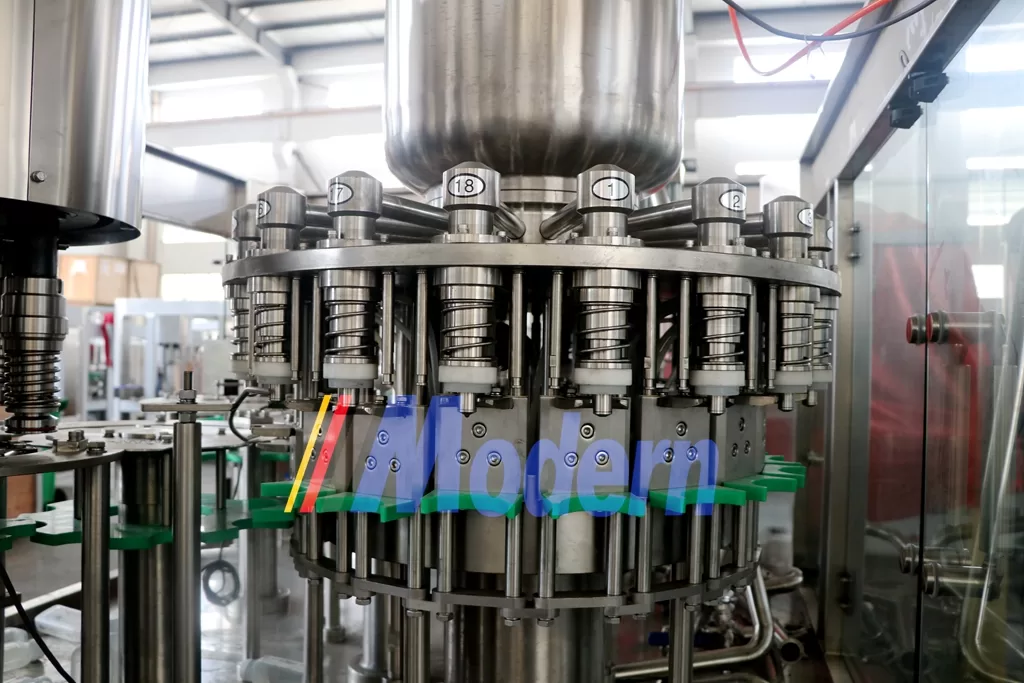
أصبحت عبوات الرذاذ (الأيروسول) منتجاً واسع الانتشار في جميع أنحاء العالم، حيث تُستخدم في تطبيقات متنوعة تتراوح من منتجات العناية الشخصية والمنظفات المنزلية إلى زيوت التشحيم الصناعية وطلاء الرش. وتعد كفاءة ودقة آلات تعبئة عبوات الرذاذ أمراً محورياً للحفاظ على الجودة والسلامة وسهولة الاستخدام للمستهلكين. يتعمق هذا المقال في تفاصيل آلات تعبئة عبوات الرذاذ، مستعرضاً تصميمها، وطريقة عملها، وأنواعها، واتجاهات السوق، ومتطلبات الصيانة، والاعتبارات المهمة للمشترين المحتملين.
أساسيات آلات تعبئة عبوات الرذاذ
آلات تعبئة عبوات الرذاذ هي معدات متخصصة مصممة لتعبئة عبوات الرذاذ بمحتويات مختلفة، بما في ذلك السوائل والغازات. وتعتبر هذه الآلات جزءاً لا يتجزأ من عملية التصنيع، حيث تضمن تعبئة كل عبوة بدقة وإغلاقها بفعالية للحفاظ على سلامة المنتج.
عادةً ما تتضمن عملية التعبئة عدة مراحل، تشمل نقل العبوات، والتعبئة، والإغلاق، وفحص الجودة. إن فهم هذه المراحل ضروري للمصنعين لتحسين العمليات وتقليل الهدر.
شرح عملية التعبئة
1. **نقل العبوات:** تتضمن الخطوة الأولى نقل العبوات الفارغة من نظام الناقل إلى محطة التعبئة. غالباً ما تكون هذه العملية مؤتمتة لتعزيز السرعة والكفاءة، مما يقلل من المناولة اليدوية.
2. **مرحلة التعبئة:** خلال هذه المرحلة، تقوم الآلة بحقن المنتج المطلوب في العبوات. وتعد معايير مثل الضغط ودرجة الحرارة وسرعة التعبئة أموراً حاسمة لضمان التوحيد والامتثال للوائح. وغالباً ما يستفيد المصنعون من أجهزة استشعار وأنظمة تحكم متقدمة لتحقيق الدقة في هذه الخطوة.
3. **الإغلاق:** بعد التعبئة، يجب إغلاق عبوات الرذاذ فوراً لمنع التسرب والحفاظ على جودة المنتج. يتضمن ذلك عادةً كبس أو تثبيت صمام أو غطاء، وهو ما يجب القيام به بدقة عالية لضمان السلامة والوظيفة.
4. **فحص الجودة:** بعد التعبئة، تخضع العبوات لفحوصات الجودة. تساعد أنظمة الرؤية الآلية والفحوصات اليدوية في ضمان تعبئة العبوات بالحجم الصحيح، وإغلاقها بشكل سليم، وخلوها من العيوب.
أنواع آلات تعبئة عبوات الرذاذ
عند التفكير في شراء آلة تعبئة عبوات الرذاذ، من الضروري فهم الأنواع المختلفة المتاحة في السوق، حيث تم تجهيز كل منها لتلبية احتياجات محددة:
1. آلات التعبئة اليدوية
آلات التعبئة اليدوية مثالية للعمليات الصغيرة أو الشركات الناشئة. تتطلب هذه الآلات مساعدة بشرية في كل من عمليتي التعبئة والإغلاق. وعلى الرغم من أنها أقل تكلفة بشكل عام، إلا أنها أبطأ وقد تؤدي إلى تباين في دقة التعبئة.
2. آلات التعبئة شبه الآلية
تعمل الآلات شبه الأوتوماتيكية كحلقة وصل بين الأنظمة اليدوية والأنظمة الأوتوماتيكية بالكامل. وبينما تتطلب بعض التدخل البشري، فإن عملية التعبئة تكون مؤتمتة، مما يسرع الإنتاج بشكل كبير. غالباً ما يبحث عن هذا النوع الشركات متوسطة الحجم التي تتطلع إلى توسيع الإنتاج دون استثمار كبير في الأتمتة.
3. آلات التعبئة الآلية بالكامل
تم تصميم آلات تعبئة الرذاذ الأوتوماتيكية بالكامل لعمليات الإنتاج الكبيرة. فهي تقوم بأتمتة العملية بأكملها، مما يقلل من التدخل البشري ويزيد من الكفاءة. غالباً ما تتضمن هذه الآلات أنظمة متكاملة لمناولة العبوات، والتعبئة، والإغلاق، والفحص، مما يجعلها خياراً مناسباً للمصنعين ذوي الإنتاج العالي.
4. آلات التعبئة المتخصصة
قد يحتاج بعض المصنعين إلى آلات تعبئة متخصصة قادرة على التعامل مع منتجات معينة مثل الرغوة أو السوائل اللزجة. يتم تخصيص هذه الآلات لتلبية متطلبات التعبئة الفريدة، مما يضمن الامتثال لمعايير السلامة والجودة.
اتجاهات السوق في آلات تعبئة الرذاذ
يتطور سوق آلات تعبئة الرذاذ العالمي مدفوعاً بالتقدم التكنولوجي وتغير تفضيلات المستهلكين. تشمل بعض الاتجاهات الرئيسية ما يلي:
1. البدائل الصديقة للبيئة
مع تزايد الوعي بالقضايا البيئية، يستثمر العديد من المصنعين في منتجات وتغليف صديق للبيئة. هناك تحول ملحوظ نحو استخدام مواد دافعة أقل ضرراً وتصاميم رذاذ مستدامة. وهناك طلب متزايد على آلات التعبئة التي تتوافق مع تركيبات المنتجات الجديدة هذه.
2. دمج التقنيات الذكية
يُحدث ظهور الثورة الصناعية الرابعة (Industry 4.0) ثورة في ممارسات التصنيع، وتعبئة الرذاذ ليست استثناءً. تسمح آلات التعبئة الذكية المجهزة بقدرات إنترنت الأشياء (IoT) بالمراقبة والتشخيص في الوقت الفعلي، مما يمكن المصنعين من تحسين عمليات الإنتاج وتقليل وقت التوقف عن العمل.
3. زيادة الطلب على التخصيص
مع تزايد المنافسة، أصبحت العلامات التجارية مهتمة بشكل متزايد بالتخصيص، مما أدى إلى طلب على آلات التعبئة التي يمكنها التعامل مع تنوعات المنتجات المختلفة. تستثمر الشركات في حلول تعبئة مرنة يمكنها التكيف بسرعة مع أحجام وأشكال وتركيبات المنتجات المختلفة.
صيانة آلات تعبئة الرذاذ
لضمان الأداء الأمثل وطول عمر آلات تعبئة الرذاذ، تعد الصيانة الدورية أمراً ضرورياً. فيما يلي بعض نصائح الصيانة العملية:
1. التنظيف الروتيني
النظافة أمر حيوي في أي بيئة تصنيع. التنظيف المجدول للمكونات مثل الفوهات، ومحطات التعبئة، وأحزمة النقل يقلل من مخاطر التلوث وعيوب المنتج.
2. تشحيم الأجزاء المتحركة
يعد التشحيم المنتظم للأجزاء المتحركة أمراً بالغ الأهمية للحفاظ على التشغيل السلس وتقليل التآكل في المكونات. يُنصح باتباع توصيات الشركة المصنعة فيما يتعلق بمواد التشحيم والجداول الزمنية.
3. المعايرة والاختبار
تضمن المعايرة المنتظمة لأجهزة الاستشعار ومعايير التعبئة دقة التعبئة واتساق المنتج. يساعد إجراء الاختبارات الروتينية في تحديد المشكلات قبل أن تتفاقم إلى مشاكل كبيرة.
4. تدريب الموظفين
قم بتدريب الموظفين بانتظام على إجراءات التشغيل، وبروتوكولات الصيانة، وممارسات السلامة. القوى العاملة المدربة جيداً هي المفتاح لتحقيق عمليات فعالة وتقليل وقت توقف الآلات.
اعتبارات رئيسية للمشترين
عند الاستثمار في آلة تعبئة عبوات الرذاذ، هناك عدة عوامل يجب مراعاتها لضمان استثمار حكيم:
1. احتياجات حجم الإنتاج
حدد احتياجات طاقتك الإنتاجية لتحديد ما إذا كان النظام اليدوي أو شبه الأوتوماتيكي أو الأوتوماتيكي بالكامل هو الأنسب. سيساعد اختيار الآلة المناسبة بناءً على اعتبارات الحجم في تجنب عدم كفاءة العمليات في المستقبل.
2. توافق المنتج
قيّم أنواع المنتجات التي تخطط لتعبئتها، بما في ذلك لزوجتها ونطاقات درجات الحرارة المطلوبة. تأكد من أن آلة التعبئة التي تختارها قادرة على التعامل مع متطلبات منتجك المحددة.
3. الامتثال للوائح
تختلف معايير السلامة والامتثال حسب البلد ونوع المنتج. تأكد من أن آلة التعبئة تلبي المعايير ذات الصلة لتجنب المشاكل القانونية وضمان سلامة المستهلك.
4. قيود الميزانية
على الرغم من أنه قد يكون من المغري اختيار أحدث التقنيات، فمن الضروري الموازنة بين الميزات وميزانيتك. قم بتحليل قدرتك المالية وحدد المعدات التي تقدم أفضل قيمة مع تلبية احتياجاتك التشغيلية.
الخلاصة
تعد آلة تعبئة عبوات الرذاذ (الأيروسول) مكوناً حيوياً في عمليات التصنيع الحديثة، خاصة مع استمرار ارتفاع الطلب على منتجات الرذاذ. ومن خلال فهم آليات عمل هذه الآلات، والأنواع المختلفة المتاحة، واتجاهات السوق الحالية، وممارسات الصيانة، يمكن للمصنعين اتخاذ قرارات مستنيرة تساعد في تحسين الإنتاج، ورفع الكفاءة، ودفع عجلة النمو.
إن الاستثمار في نظام تعبئة الرذاذ المناسب لن يؤدي فقط إلى تعزيز جودة المنتجات، بل سيؤدي أيضاً إلى تحقيق وفورات تشغيلية كبيرة على المدى الطويل. وكما هو الحال مع أي استثمار في مجال التصنيع، فإن البحث الدقيق والتخطيط الاستراتيجي أمران حاسمان لضمان النجاح في مشهد السوق الديناميكي هذا.


