في عصر تفرض فيه الكفاءة والابتكار وتيرة التقدم الصناعي، تبرز آلة تعبئة عبوات الرذاذ كقطعة محورية من المعدات في قطاع التصنيع. تقف هذه الآلات على الخط الفاصل بين الفن والهندسة، وهي جزء لا يتجزأ من إنتاج منتجات الرذاذ التي تتراوح من المنظفات المنزلية إلى منتجات العناية الشخصية. تسعى هذه المقالة إلى تقديم استكشاف مفصل لآلات تعبئة عبوات الرذاذ، مع توضيح وظائفها وأنواعها وأفضل الممارسات للتنفيذ الناجح في بيئات الإنتاج.
فهم آلات تعبئة عبوات الرذاذ
تم تصميم آلة تعبئة عبوات الرذاذ لتعبئة أنواع مختلفة من عبوات الرذاذ بالسوائل أو الغازات أو خلائط كليهما، ثم إغلاقها لضمان سلامة المنتج. إن الكفاءة التشغيلية وتعدد استخدامات هذه الآلات تجعلها حيوية لأي مصنع يركز على منتجات الرذاذ. فهي لا تساهم فقط في سرعة الإنتاج، بل تعزز أيضًا دقة واتساق عملية التعبئة.
كيف تعمل آلات تعبئة عبوات الرذاذ
تتكون عملية تشغيل آلات تعبئة عبوات الرذاذ من عدة مراحل: التحضير، والتعبئة، والإغلاق. خلال مرحلة التحضير، يتم تحميل العبوات الفارغة على الآلة. ثم تقوم الآلة بتطبيق تفريغ هوائي (فاكيوم) لإزالة أي هواء، مما يمنع الأكسدة ويضمن استقرار المنتج. بعد ذلك، تبدأ عملية التعبئة، حيث يتم توزيع المادة المحددة بدقة في العبوة. تلي ذلك عملية تفعيل آلية الإغلاق، التي تقوم بضغط أو لحام العبوة لتأمين محتوياتها.
أنواع آلات تعبئة عبوات الرذاذ
يوفر السوق مجموعة متنوعة من آلات تعبئة عبوات الرذاذ، التي تلبي احتياجات وقدرات إنتاجية مختلفة. وبشكل عام، يمكن تصنيفها إلى ثلاثة أنواع رئيسية: آلات التعبئة اليدوية، وشبه الأوتوماتيكية، والأوتوماتيكية بالكامل.
آلات التعبئة اليدوية
تتطلب آلات تعبئة عبوات الرذاذ اليدوية تدخلًا بشريًا طوال عملية التعبئة. وعادة ما تُستخدم في العمليات صغيرة النطاق حيث تكون متطلبات الإنتاج أقل. وعلى الرغم من انخفاض تكلفتها الأولية، إلا أن آلات التعبئة اليدوية قد تؤدي إلى تفاوت في المخرجات ويمكن أن تكون أكثر كثافة في العمالة.
آلات التعبئة شبه الأوتوماتيكية
توفر الآلات شبه الأوتوماتيكية حلاً وسطًا، حيث تقدم بعض الوظائف المؤتمتة مع استمرار الحاجة إلى مساعدة المشغل. تم تصميم هذه الآلات لزيادة الإنتاجية دون الاستغناء تمامًا عن اللمسة البشرية، مما يجعلها مناسبة لمنشآت الإنتاج متوسطة الحجم.
آلات التعبئة الأوتوماتيكية بالكامل
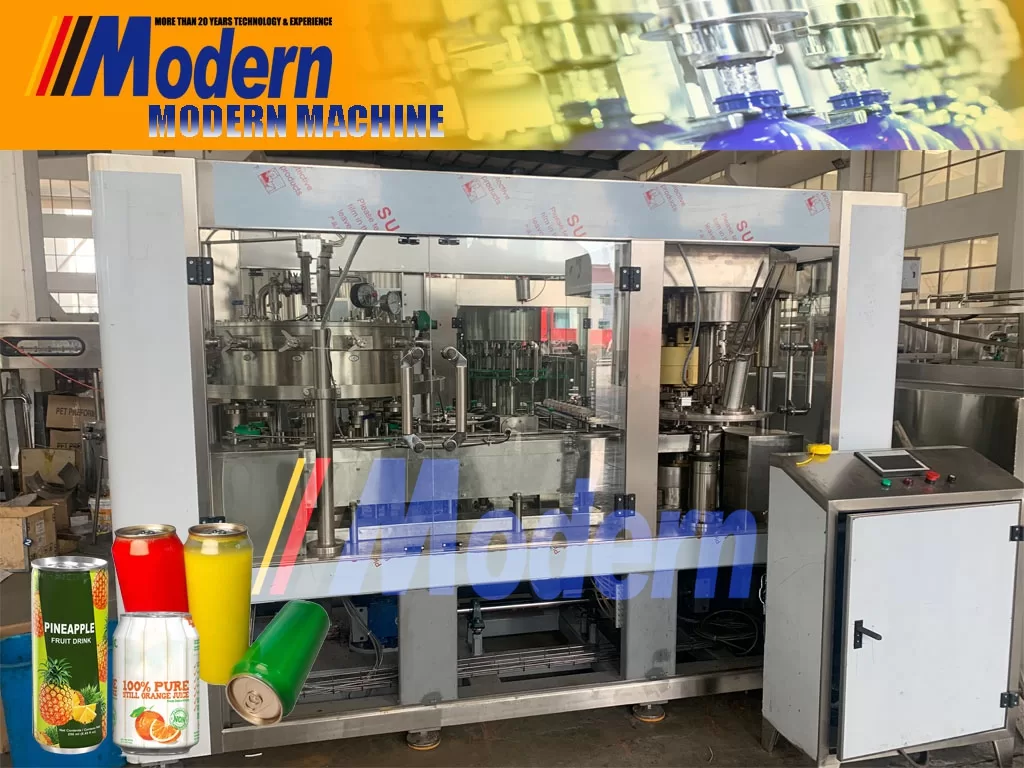
تمثل آلات تعبئة الرذاذ الأوتوماتيكية بالكامل قمة التكنولوجيا في هذا القطاع. تعمل هذه الوحدات ذات السعة العالية بأقل قدر من التدخل البشري، وتستخدم مستشعرات وعناصر تحكم متقدمة لإدارة عملية التعبئة والإغلاق بالكامل. غالبًا ما تستثمر الشركات التي تسعى إلى زيادة الإنتاجية وتقليل تكاليف العمالة في هذه الآلات نظرًا لسرعتها وكفاءتها.
الميزات الرئيسية لآلات تعبئة عبوات الرذاذ
تساهم العديد من ميزات آلات تعبئة عبوات الرذاذ في فعاليتها وكفاءتها. يمكن أن يساعد فهم هذه الميزات المصنعين على اختيار المعدات الأكثر ملاءمة لاحتياجاتهم.
التعبئة الدقيقة
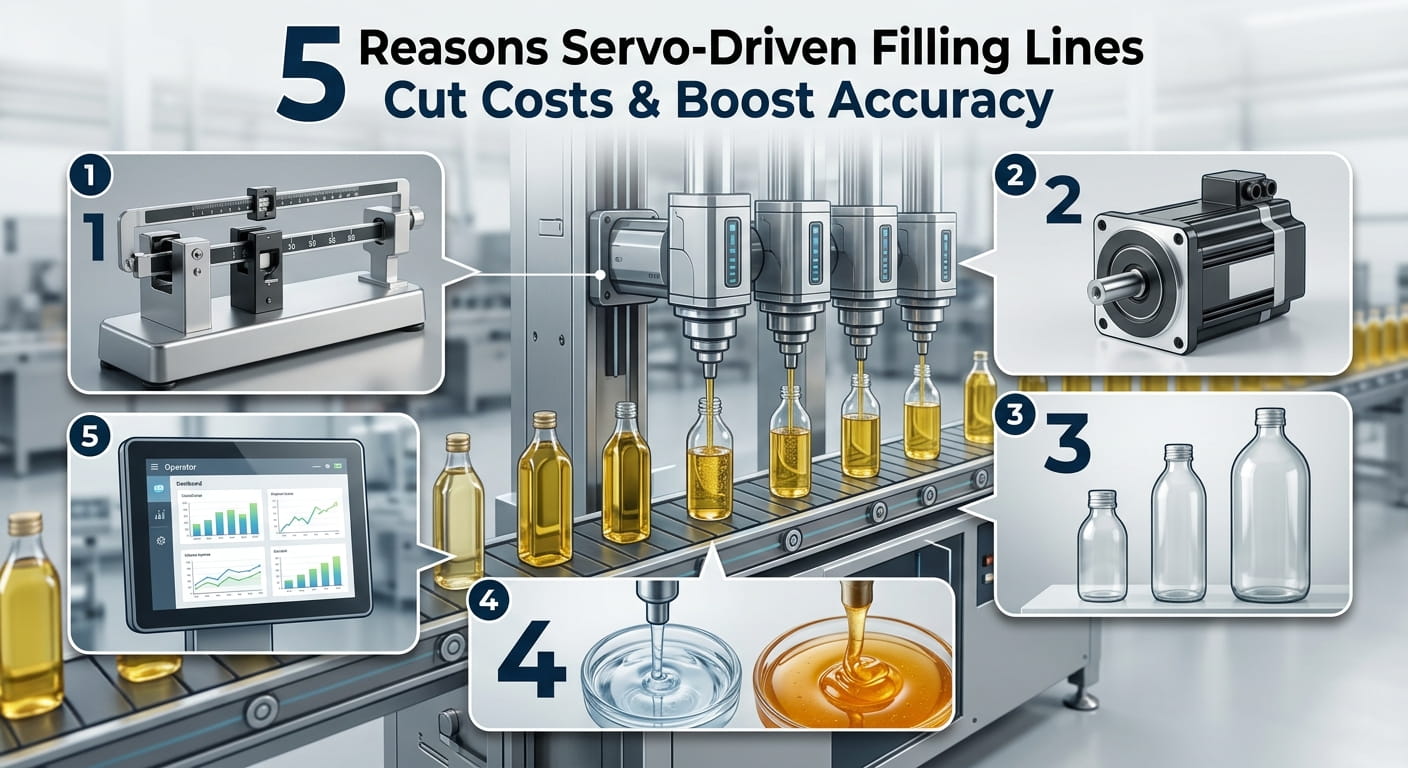
في قلب آلة تعبئة عبوات الرذاذ تكمن قدرتها على توصيل كميات دقيقة من السائل أو الغاز، وهو أمر بالغ الأهمية للحفاظ على اتساق المنتج وجودته. تأتي العديد من الآلات مجهزة بمقاييس تدفق ومنظمات ضغط تضمن تعبئة دقيقة، مما يقلل من الهدر ويقلل من مخاطر التعبئة الزائدة أو الناقصة.
سرعات قابلة للتعديل
توفر العديد من آلات التعبئة الحديثة سرعات تعبئة قابلة للتعديل، مما يسمح للمصنعين بتكييف معدل الإنتاج بناءً على نوع المنتج وحجم العبوة. يمكن أن تؤدي هذه المرونة إلى تحسين جداول الإنتاج وتوافق أفضل مع متطلبات السوق.
توافق المواد
بالنظر إلى التطبيقات المتنوعة لمنتجات الرذاذ، يجب أن تكون آلات التعبئة متوافقة مع مجموعة من المواد، بدءًا من المحاليل المائية وصولاً إلى المواد الكيميائية المتطايرة. تستخدم أفضل الآلات مواد متينة تقاوم التآكل والتلف الناتج عن المواد التي تتعامل معها، مما يضمن الموثوقية على المدى الطويل.
تنفيذ آلات تعبئة عبوات الرذاذ بفعالية
يتضمن التنفيذ الناجح لآلات تعبئة عبوات الرذاذ العديد من الاعتبارات الاستراتيجية. من خلال اتباع أفضل الممارسات، يمكن للشركات زيادة العائد على الاستثمار وتحسين أداء الإنتاج.
تقييم احتياجات الإنتاج
قبل اختيار آلة تعبئة، يجب على المصنعين إجراء تقييم شامل لاحتياجات الإنتاج الخاصة بهم. تشمل العوامل التي يجب مراعاتها أحجام الإنتاج المتوقعة، وأنواع المنتجات، وقدرات القوى العاملة. سيوجه هذا التقييم اختيار نوع الآلة المناسب.
الاستثمار في الأتمتة
بالنسبة لأولئك الذين يتطلعون إلى تعزيز الكفاءة، يمكن أن يؤدي الاستثمار في أنظمة التعبئة المؤتمتة إلى تحقيق فوائد كبيرة. لا تزيد الأتمتة من سرعة الإنتاج فحسب، بل تقلل أيضًا من مخاطر الخطأ البشري، مما يساهم في جودة واتساق أعلى بشكل عام في المنتجات النهائية.
الصيانة والمعايرة الدورية
لضمان طول عمر وأداء مثالي لآلات تعبئة عبوات الرذاذ، تعد الصيانة والمعايرة المنتظمة أمرًا ضروريًا. يمكن أن يؤدي تنفيذ برنامج صيانة مجدول إلى تقليل وقت التوقف عن العمل بشكل كبير ومنع الإصلاحات المكلفة. تضمن المعايرة أن الآلة تنتج تعبئة دقيقة باستمرار، وبالتالي الحفاظ على جودة المنتج.
التحديات في عملية تعبئة الرذاذ
على الرغم من أن آلات تعبئة عبوات الرذاذ قد غيرت مشهد التصنيع، إلا أن العديد من التحديات لا تزال قائمة. إن فهم هذه التحديات سيزود المصنعين باستراتيجيات لتخفيف المخاطر وتعزيز الكفاءة التشغيلية.
الامتثال التنظيمي
يجب على المصنعين التعامل مع اللوائح المعقدة التي تحكم إنتاج منتجات الرذاذ، خاصة فيما يتعلق بمعايير السلامة واللوائح البيئية. قد يؤدي عدم الامتثال إلى عقوبات شديدة وإلحاق الضرر بالسمعة. يعد تنفيذ تدابير قوية لمراقبة الجودة ومواكبة التغييرات التنظيمية أمرًا حيويًا لضمان الامتثال.
إدارة الآفات في مرافق الإنتاج
تعد حماية مرافق الإنتاج من الآفات جانبًا مهمًا للحفاظ على النظافة والسلامة. يمكن للآفات أن تلوث منتجات الرذاذ وتخلق بيئات خطرة. يجب على المصنعين فرض بروتوكولات صارمة للصرف الصحي وفحص مرافقهم بشكل روتيني لمنع تفشي الآفات.
التدريب وتطوير المهارات
يعد الاستثمار في تدريب وتطوير الموظفين الذين يشغلون آلات تعبئة عبوات الرذاذ أمرًا بالغ الأهمية. مع ازدياد تطور الآلات، يعد وجود مشغلين مدربين جيدًا يمكنهم استكشاف المشكلات وإصلاحها أمرًا ضروريًا للحفاظ على الكفاءة وتقليل وقت التوقف عن العمل.
الاتجاهات المستقبلية في تكنولوجيا تعبئة الرذاذ
من المرجح أن يتشكل مستقبل آلات تعبئة عبوات الرذاذ من خلال التطورات في التكنولوجيا والاستدامة وتفضيلات المستهلك. إن البقاء في صدارة هذه الاتجاهات يمكن أن يمنح الشركات ميزة تنافسية في السوق.
تكامل التكنولوجيا الذكية
من المرجح أن يُحدث دمج التكنولوجيا الذكية وإنترنت الأشياء (IoT) ثورة في إنتاج الرذاذ. ستصبح الآلات أكثر ترابطًا، مما يسمح بالمراقبة في الوقت الفعلي وجمع البيانات لتحسين العمليات والصيانة التنبؤية.
مبادرات الاستدامة
مع التركيز المتزايد على الاستدامة، من المرجح أن يسعى المصنعون إلى حلول تعبئة صديقة للبيئة وممارسات تقلل من النفايات وتقلل من بصمتهم الكربونية. إن اعتماد مواد قابلة لإعادة التدوير وممارسات مستدامة لن يلبي المتطلبات التنظيمية فحسب، بل سيجذب أيضًا المستهلكين المهتمين بالبيئة.
الخلاصة
تلعب آلات تعبئة عبوات الرذاذ دورًا حاسمًا في قطاع التصنيع من خلال ضمان التعبئة الفعالة والدقيقة لمنتجات الرذاذ. مع توفر مجموعة متنوعة من الأنواع، يعد فهم وظائفها وميزاتها وتحدياتها أمرًا ضروريًا للمصنعين الذين يهدفون إلى تعزيز الإنتاجية والحفاظ على جودة المنتج. من خلال الاستثمار في تكنولوجيا التعبئة المتقدمة والالتزام بأفضل الممارسات، يمكن للشركات التعامل مع تعقيدات إنتاج الرذاذ في مشهد تنافسي متزايد. ومع تقدم الصناعة نحو ممارسات أكثر ذكاءً واستدامة، سيكون تبني هذه التغييرات مفتاحًا للنجاح في المستقبل.