
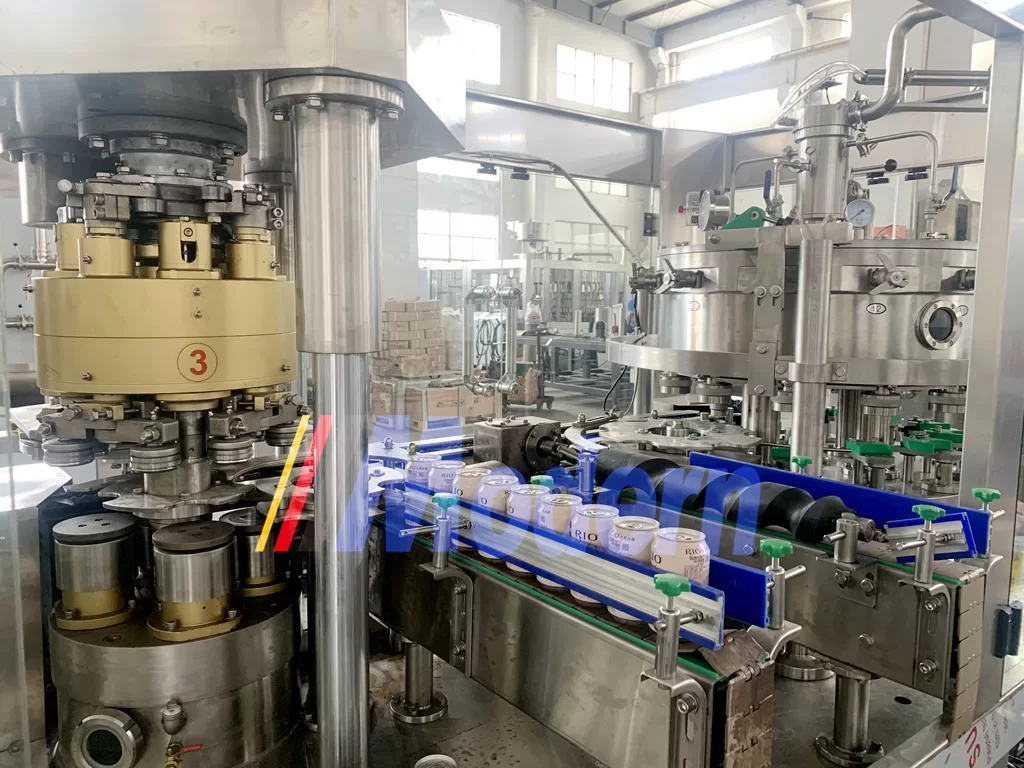
Производство напитков — это постоянно развивающаяся отрасль, на которую непрерывно влияют потребительские тренды, технологический прогресс, изменения в законодательстве и экологические проблемы. В преддверии 2025 года ландшафт для производителей напитков обещает быть сложным, что потребует стратегического планирования и инновационных решений. В этой статье мы подробно рассмотрим некоторые из главных вызовов, с которыми, вероятно, столкнутся производители напитков в 2025 году, и предложим практические рекомендации, которые помогут успешно преодолеть эти препятствия.
1. Устойчивое развитие и воздействие на окружающую среду
В 2025 году устойчивое развитие останется ключевой задачей для производителей напитков. Потребителей все больше привлекают бренды, демонстрирующие приверженность принципам устойчивого развития — от выбора ингредиентов до упаковки и управления отходами. Производителям напитков потребуется инвестировать в экологичную упаковку, энергоэффективные производственные процессы и искать способы сокращения углеродного следа по всей цепочке поставок.
2. Изменение потребительских предпочтений
Понимание предпочтений потребителей и опережение трендов критически важны для производителей напитков. В 2025 году потребители, вероятно, будут искать более здоровые, функциональные и персонализированные напитки. Производителям необходимо инвестировать в исследования и разработки для создания инновационных продуктов, отвечающих этим меняющимся запросам, при сохранении высоких стандартов качества и вкуса.
3. Сбои в цепочках поставок
В последние годы глобальные цепочки поставок столкнулись со значительными сбоями, что привело к задержкам в поставках сырья, транспортным проблемам и колебаниям цен. Производителям напитков необходимо повышать устойчивость своих цепочек поставок путем диверсификации источников сырья, укрепления отношений с поставщиками и внедрения таких технологий, как блокчейн, для обеспечения большей прозрачности и прослеживаемости.
4. Соответствие нормативным требованиям
Нормативные требования в индустрии напитков постоянно меняются: регулярно вводятся новые правила, касающиеся маркировки, ингредиентов и стандартов производства. В 2025 году производители должны следить за последними изменениями законодательства на целевых рынках, инвестировать в обучение сотрудников вопросам соответствия требованиям и внедрять надежные меры контроля качества, чтобы гарантировать соблюдение всех применимых законов и стандартов.
5. Цифровая трансформация и автоматизация
Индустрия напитков переживает цифровую трансформацию, где автоматизация, аналитика данных и искусственный интеллект играют центральную роль в повышении эффективности и производительности. В 2025 году производителям необходимо внедрять технологические решения, которые оптимизируют производственные процессы, улучшают управление запасами, совершенствуют операции в цепочке поставок и предоставляют ценную информацию для принятия более обоснованных решений.
6. Рост затрат и ценовое давление
Колебания стоимости сырья, затрат на оплату труда и цен на энергоносители могут существенно повлиять на прибыльность производителей напитков. В 2025 году компаниям потребуется тщательно управлять расходами, оптимизировать эффективность производства и использовать стратегические подходы к ценообразованию, чтобы сохранять конкурентоспособность на рынке, не жертвуя качеством продукции или доверием потребителей.
7. Вопросы здоровья и безопасности
Здоровье и безопасность потребителей и сотрудников имеют первостепенное значение для производителей напитков. В 2025 году компаниям необходимо уделять приоритетное внимание гигиеническим протоколам, инвестировать в обучение персонала санитарным нормам и внедрять меры по обеспечению качества и безопасности продукции. Поддержание твердой приверженности стандартам здоровья и безопасности будет иметь решающее значение для укрепления доверия со стороны потребителей и регулирующих органов.
8. Дифференциация бренда и маркетинговые стратегии
На перенасыщенном рынке напитков выделение среди конкурентов и эффективное взаимодействие с целевой аудиторией станут ключевыми задачами в 2025 году. Производителям напитков потребуется инвестировать в креативные маркетинговые стратегии, создавать убедительные истории бренда и использовать цифровые платформы для эффективного вовлечения клиентов. Формирование сильного присутствия бренда и установление более глубокой связи с потребителями будут необходимы для стимулирования роста и лояльности в условиях жесткой конкуренции.
Заключение
По мере того как производители напитков готовятся к вызовам 2025 года, становится очевидно, что инновации, адаптивность и твердая приверженность принципам устойчивого развития и качества станут залогом успеха. Активно решая эти задачи, инвестируя в новые технологии и оставаясь в курсе потребительских предпочтений и изменений в законодательстве, производители напитков смогут обеспечить себе рост и устойчивость в динамично развивающейся индустрии.


