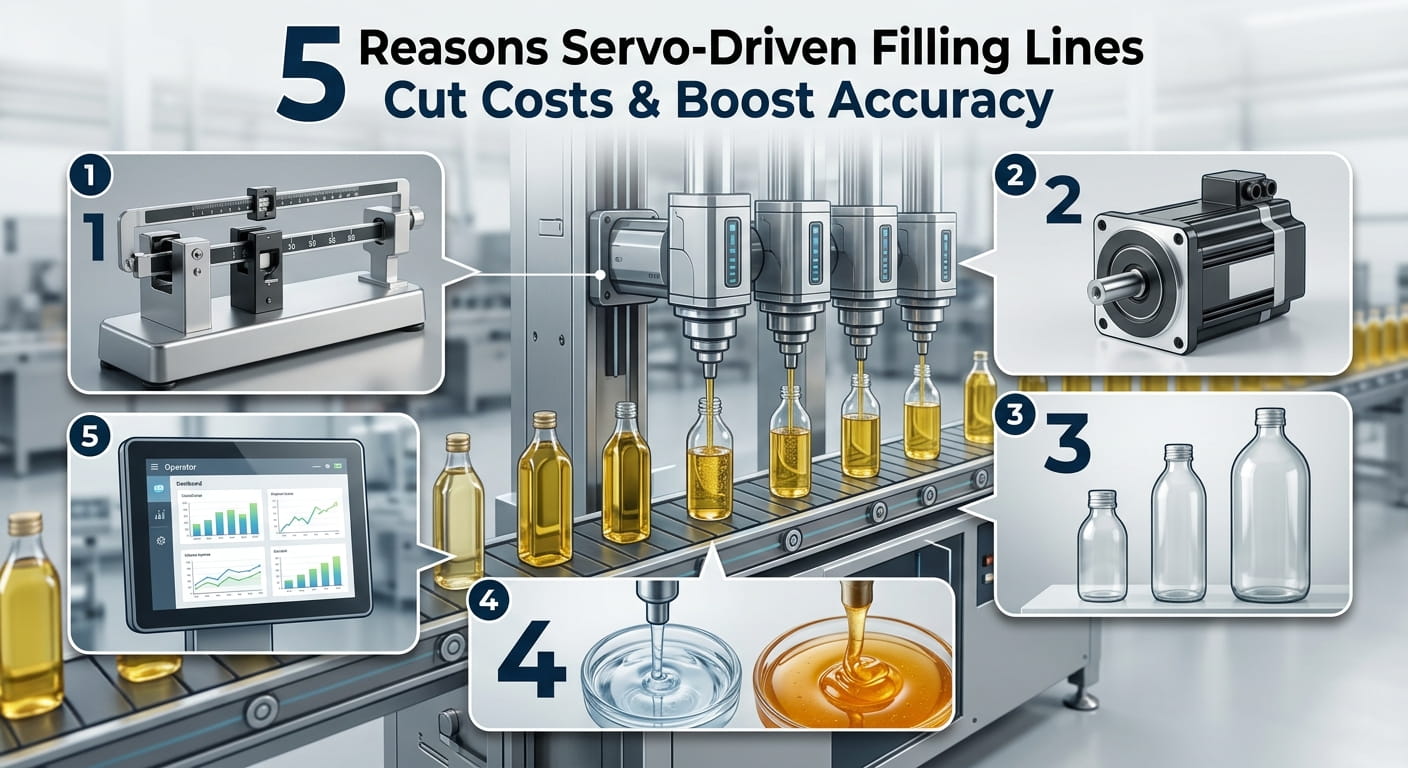
Индустрия напитков постоянно развивается: новые потребительские предпочтения, меняющаяся динамика рынка и инновационные технологии требуют постоянного совершенствования. Один из критически важных аспектов, с которым часто сталкиваются производители напитков, — это модернизация устаревших производственных линий для повышения эффективности, качества и общей конкурентоспособности. В этом кейсе мы подробно рассмотрим стратегии и идеи, лежащие в основе модернизации старых линий по производству напитков, чтобы оставаться в лидерах на конкурентном рынке.
Необходимость модернизации
Устаревшие линии по производству напитков часто создают такие проблемы, как неэффективность, низкая производительность, использование устаревших технологий и высокие затраты на техническое обслуживание. Эти факторы могут негативно влиять на общую работу производственного предприятия, приводя к снижению производительности и препятствуя внедрению инноваций. Модернизируя старые линии, компании могут преодолеть эти трудности и получить множество преимуществ.
С какими проблемами сталкиваются компании
Некоторые распространенные проблемы, с которыми сталкиваются компании, использующие старые линии по производству напитков:
- Неэффективные производственные процессы, ведущие к росту операционных расходов
- Отсутствие гибкости для адаптации к меняющимся запросам потребителей
- Устаревшие технологии, приводящие к снижению качества продукции
- Сложности с соблюдением нормативных стандартов и экологических требований
Ключевые аспекты модернизации
Прежде чем приступать к модернизации старых линий по производству напитков, необходимо учесть следующие ключевые факторы:
Интеграция технологий
Внедрение передовых технологий, таких как автоматизация, искусственный интеллект (ИИ), интернет вещей (IoT) и аналитика данных, может значительно повысить эффективность и производительность линий по производству напитков. Автоматизируя повторяющиеся задачи и используя аналитические данные в режиме реального времени, производители могут оптимизировать свои процессы и повысить общую продуктивность.
Повышение качества
Модернизация старых линий дает возможность улучшить качество и стабильность продукции. Внедряя современное оборудование и меры контроля качества, производители могут гарантировать, что их напитки соответствуют самым высоким стандартам, тем самым повышая удовлетворенность потребителей и репутацию бренда.
Устойчивое развитие и соответствие требованиям
Модернизация линий по производству напитков позволяет компаниям соответствовать целям устойчивого развития и соблюдать строгие нормативные требования. Внедрение экологически безопасных методов, сокращение отходов и обеспечение соответствия экологическим стандартам не только приносят пользу окружающей среде, но и укрепляют имидж компании как ответственного производителя.
Стратегия реализации
Успешная модернизация устаревших линий по производству напитков требует стратегического подхода и тщательного планирования. Вот основные шаги, которые следует учесть:
Оценка и анализ
Проведите тщательную оценку существующих производственных линий, чтобы определить области, требующие улучшения. Проанализируйте «узкие места», неэффективные участки и потенциальные возможности для модернизации, чтобы разработать комплексный план обновления.
Выбор технологий
Выбирайте технологии и оборудование, которые соответствуют целям компании и производственным требованиям. Инвестируйте в масштабируемые решения, которые позволят расширять производство в будущем и адаптироваться к меняющимся рыночным тенденциям.
Обучение и развитие
Обеспечьте обучение персонала эффективной работе с новыми системами и технологиями. Постоянное повышение квалификации и развитие сотрудников гарантируют, что они смогут максимально использовать преимущества модернизированных линий и способствовать повышению производительности.
Преимущества модернизации
Решение о модернизации старых линий по производству напитков может принести производителям многочисленные выгоды, в том числе:
- Повышение эффективности и мощности производства
- Повышение качества и стабильности продукции
- Экономия затрат за счет снижения расходов на техническое обслуживание и эксплуатацию
- Улучшение показателей устойчивого развития и соблюдение нормативных требований
- Конкурентное преимущество на рынке за счет инноваций и модернизации
Заключение
Модернизация устаревших линий по производству напитков — это стратегическая инвестиция, которая может кардинально изменить работу компании и обеспечить ей долгосрочный успех в постоянно развивающейся индустрии напитков. Внедряя новые технологии, повышая стандарты качества и уделяя приоритетное внимание устойчивому развитию, производители могут опережать конкурентов и удовлетворять динамичные запросы современных потребителей.
Всегда помните: ключ к устойчивому росту и актуальности заключается в постоянном совершенствовании и адаптации к меняющимся рыночным условиям.