
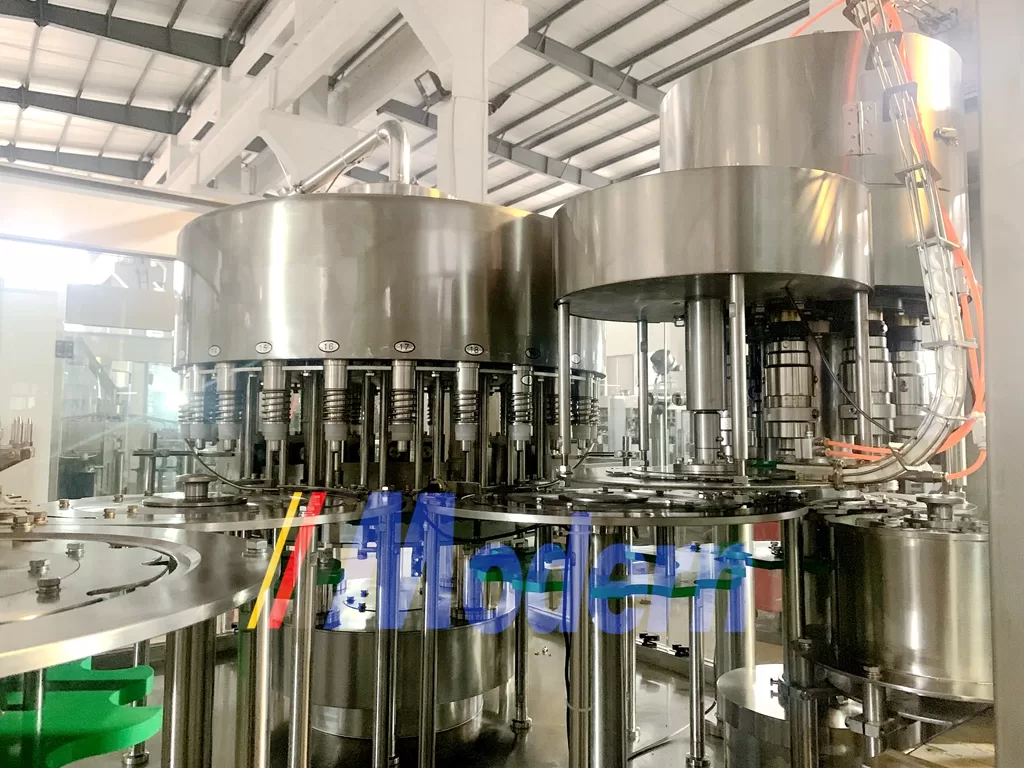
В последние годы глобальная озабоченность вопросами экологической устойчивости значительно возросла, что заставило многие отрасли пересмотреть свои производственные процессы и продукцию. Пластиковая промышленность, в частности, оказалась под пристальным вниманием из-за негативного воздействия ее продукции на окружающую среду, включая ПЭТ-бутылки. ПЭТ (полиэтилентерефталат) — наиболее распространенный тип пластика, используемый в производстве контейнеров для напитков, а выдув бутылок является важнейшим этапом этого процесса. В данной статье рассматривается влияние выдува ПЭТ-бутылок на окружающую среду, исследуются различные аспекты, проблемы и потенциальные решения для смягчения их воздействия на планету.
Процесс выдува ПЭТ-бутылок
Выдув ПЭТ-бутылок включает в себя преобразование ПЭТ-смолы в бутылки с помощью процесса, называемого раздувом с вытяжкой. Процесс начинается с нагрева гранул ПЭТ-смолы до температуры плавления, за которым следует формирование преформы, которая затем растягивается и раздувается до желаемой формы бутылки с помощью сжатого воздуха. Хотя этот процесс необходим для производства легких, прочных и прозрачных бутылок, он вызывает ряд экологических проблем, требующих решения.
Экологические проблемы
1. Потребление энергии
Одним из основных экологических последствий выдува ПЭТ-бутылок является высокое энергопотребление. Процесс требует значительного количества электроэнергии для нагрева ПЭТ-смолы, формования преформ и выдува бутылок. Такое потребление энергии способствует выбросам парниковых газов и усугубляет изменение климата.
2. Углеродный след
Еще одним важным аспектом, который необходимо учитывать, является углеродный след при выдуве ПЭТ-бутылок. Производство и транспортировка ПЭТ-смолы, наряду со всем процессом производства бутылок, приводят к выбросу углекислого газа и других парниковых газов в атмосферу. Это приводит к значительному углеродному следу, связанному с каждой произведенной ПЭТ-бутылкой.
3. Использование воды
Помимо потребления энергии, использование воды является серьезной проблемой при производстве ПЭТ-бутылок. Вода необходима для охлаждения пресс-форм в процессе формования и для очистки оборудования. Чрезмерное использование воды в сочетании со сбросом сточных вод, содержащих вредные химические вещества, может привести к нехватке воды и загрязнению, что негативно сказывается на водных экосистемах.
Решения в области устойчивого развития
1. Инициативы по переработке
Одним из наиболее эффективных способов решения проблемы воздействия выдува ПЭТ-бутылок на окружающую среду являются инициативы по переработке отходов. Поощрение потребителей к переработке использованных ПЭТ-бутылок и внедрение программ сбора и переработки могут помочь снизить спрос на первичную ПЭТ-смолу, уменьшая потребление энергии и выбросы углерода.
2. Использование переработанного ПЭТ
Интеграция переработанного ПЭТ (rPET) в производство новых бутылок — еще одно устойчивое решение. Используя rPET в качестве сырья, производители могут снизить свою зависимость от первичной смолы и минимизировать воздействие выдува бутылок на окружающую среду. Эта практика способствует развитию экономики замкнутого цикла и уменьшает углеродный след пластиковой упаковки.
3. Энергоэффективные технологии
Инвестиции в энергоэффективные технологии и процессы могут значительно снизить энергопотребление при выдуве ПЭТ-бутылок. Использование возобновляемых источников энергии, оптимизация систем нагрева и охлаждения, а также внедрение передовых методов формования могут помочь уменьшить углеродный след производства бутылок при одновременном повышении общей операционной эффективности.
Заключение
Воздействие выдува ПЭТ-бутылок на окружающую среду — это сложная проблема, требующая многогранного подхода к решению. Понимая проблемы, связанные с производством ПЭТ-бутылок, и внедряя устойчивые решения, производители могут минимизировать свой экологический след и внести вклад в более устойчивое будущее. От инициатив по переработке до внедрения энергоэффективных технологий — существует множество стратегий, позволяющих смягчить воздействие выдува ПЭТ-бутылок на окружающую среду и двигаться к более экологичной и сознательной индустрии.


