
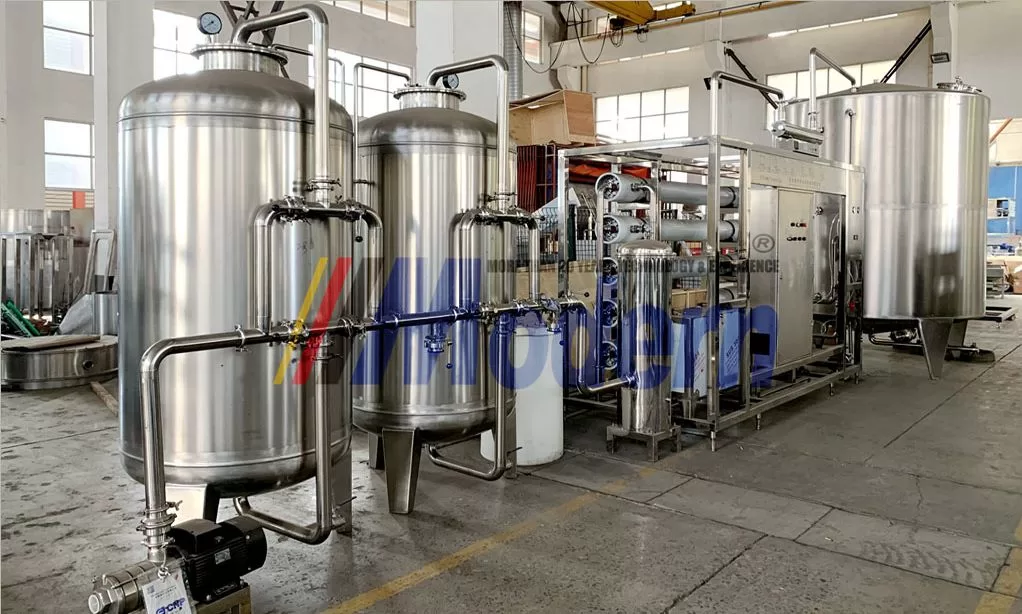
Мировой рынок бутилированной воды демонстрирует значительный рост, обусловленный повышением внимания потребителей к здоровью, стремлением к удобству и растущей обеспокоенностью качеством воды. В этих динамичных условиях понимание рыночных тенденций и роли оборудования для розлива воды имеет решающее значение для компаний, стремящихся извлечь выгоду из этого прибыльного сектора.
Тенденции рынка в индустрии бутилированной воды
1. **Экологичная упаковка**
Потребители все чаще требуют экологически безопасные варианты упаковки, что ведет к росту использования таких материалов, как переработанный ПЭТ и биоразлагаемые пластики. Компании, ставящие во главу угла экологичность, могут получить конкурентное преимущество на рынке.
2. **Премиализация**
Наблюдается растущий тренд на премиальные и функциональные виды бутилированной воды, включая щелочную, ароматизированную воду и напитки с улучшенным составом. Производители, ориентированные на инновационные продукты, могут удовлетворить меняющиеся предпочтения потребителей и устанавливать более высокие цены.
3. **Рост электронной коммерции**
Бурное развитие платформ электронной коммерции открыло новые каналы дистрибуции для брендов бутилированной воды, позволяя им охватить более широкую аудиторию и укрепить свое присутствие на рынке. Компании, использующие стратегии цифрового маркетинга, могут извлечь выгоду из этого тренда и увеличить продажи.
Роль оборудования для розлива воды
Инвестиции в эффективное оборудование для розлива воды имеют решающее значение для бизнеса в индустрии бутилированной воды. Вот ключевые аспекты:
1. **Гарантия качества**
Современное оборудование для розлива обеспечивает точность объема наполнения, надежную герметизацию и предотвращение загрязнения, поддерживая качество и безопасность продукции. Регулярное техническое обслуживание и калибровка разливочных машин необходимы для соблюдения стандартов качества.
2. **Эффективность производства**
Автоматизированное оборудование для розлива позволяет оптимизировать производственные процессы, увеличить объемы выпуска и снизить затраты на оплату труда. Внедрение передовых технологий розлива, таких как роторные и линейные машины, помогает повысить эффективность производства и удовлетворить растущий рыночный спрос.
3. **Гибкость и адаптивность**
Оборудование для розлива, обеспечивающее гибкость при работе с бутылками различных размеров, форм и материалов, позволяет производителям диверсифицировать ассортимент и адаптироваться к меняющимся предпочтениям потребителей. Универсальные системы розлива поддерживают гибкое производство и способствуют инновациям в разработке продуктов.
Практические стратегии успеха
1. **Инвестиции в НИОКР:** Постоянные исследования и разработки необходимы для того, чтобы опережать рыночные тенденции, внедрять инновации в составы продуктов и совершенствовать упаковочные решения в соответствии с ожиданиями потребителей.
2. **Эффективное управление цепочками поставок:** Создание надежных сетей поставок, оптимизация каналов дистрибуции и обеспечение своевременной доставки продукции имеют решающее значение для поддержания конкурентоспособности на рынке.
3. **Дифференциация бренда:** Развитие сильной идентичности бренда, донесение уникальных торговых предложений и участие в инициативах по просвещению потребителей помогут выделить вашу бутилированную воду на фоне конкурентов.
Заключение
Рынок бутилированной воды открывает выгодные возможности для компаний, готовых следовать меняющимся тенденциям и инвестировать в передовое оборудование для розлива. Оставаясь внимательными к предпочтениям потребителей, поддерживая качество продукции и внедряя инновации, компании могут успешно развиваться в этой конкурентной отрасли.


