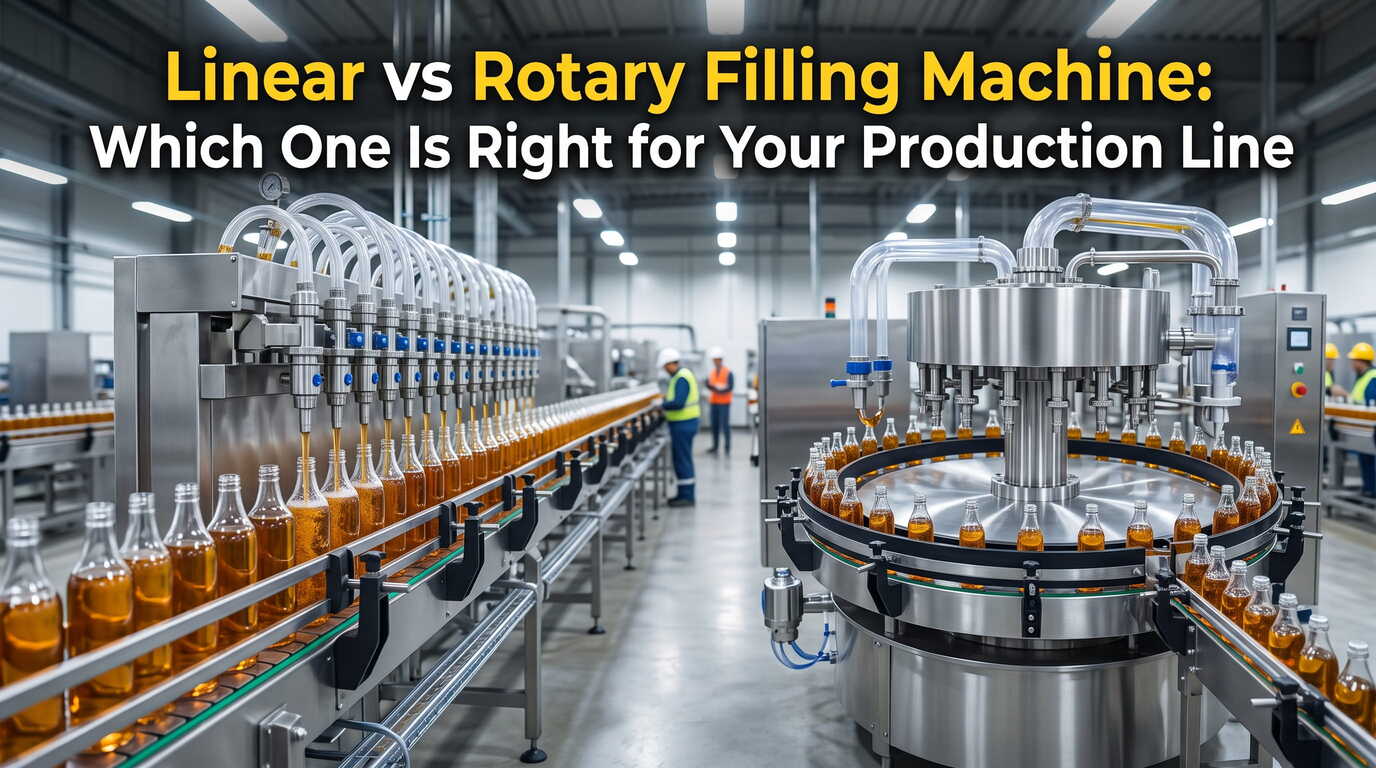
Когда речь заходит о розливе газированных напитков на производственных линиях, одним из важнейших решений для производителей является выбор между линейными и роторными разливочными машинами. Оба типа оборудования имеют свои преимущества и ограничения, и правильный выбор может существенно повлиять на эффективность, производительность и общее качество продукции. В этой статье мы подробно рассмотрим ключевые факторы, которые следует учитывать при выборе между линейными и роторными наполнителями, чтобы помочь вам принять обоснованное решение, соответствующее вашим конкретным потребностям.
Линейные разливочные машины для газированных напитков
Линейные наполнители отличаются своей конфигурацией, при которой бутылки перемещаются по конвейерной ленте в один ряд, и каждая бутылка наполняется нужной жидкостью. Такая компоновка обладает рядом преимуществ, которые делают ее предпочтительным выбором для многих производителей:
- Эффективность: Линейные наполнители подходят для производственных линий с умеренной и высокой скоростью, обеспечивая непрерывный и быстрый процесс розлива.
- Универсальность: Они могут работать с бутылками различных размеров и форм, что делает их идеальными для линий, требующих частой переналадки.
- Экономия пространства: Линейные наполнители требуют меньше производственной площади по сравнению с роторными, что делает их подходящими для предприятий с ограниченным пространством.
Хотя линейные наполнители обладают этими преимуществами, они могут подойти не для всех сценариев. Перед принятием решения следует тщательно оценить такие факторы, как объем производства, характеристики продукта и специфические требования линии.
Роторные разливочные машины для газированных напитков
Роторные наполнители работают по круговой траектории: бутылки проходят через вращающуюся турель, где происходит процесс розлива. Этот тип оборудования предпочтителен для определенных задач благодаря своим уникальным качествам:
- Высокая скорость: Роторные наполнители разработаны для высокоскоростных производственных линий, что делает их идеальными для крупномасштабного производства.
- Эффективность: Роторная конструкция позволяет одновременно наполнять несколько бутылок, что повышает производительность и объем выпуска.
- Точность: Роторные наполнители обеспечивают точный уровень розлива и стабильность, гарантируя единообразие качества продукта.
Хотя роторные наполнители превосходят другие типы по скорости и эффективности, они могут иметь ограничения с точки зрения гибкости и времени переналадки. Производителям следует сопоставить эти факторы со своими производственными требованиями, чтобы определить наиболее подходящий вариант.
Ключевые факторы выбора между линейными и роторными наполнителями
При выборе между линейными и роторными разливочными машинами для газированных напитков важно учитывать следующие факторы:
- Объем производства: Оцените объем вашего производства, чтобы определить, смогут ли линейные или роторные наполнители эффективно удовлетворить ваши требования к выходу продукции.
- Вариативность продукта: Учитывайте ассортимент размеров, форм бутылок и видов продукции, которые вам необходимо разливать, чтобы обеспечить совместимость с выбранным типом наполнителя.
- Ограничения пространства: Оцените доступную площадь на вашем предприятии, чтобы выбрать наполнитель, который впишется в планировку, не нарушая рабочий процесс.
- Потребности в автоматизации: Определите уровень автоматизации, необходимый для вашей производственной линии, и выберите наполнитель, который соответствует вашим целям автоматизации.
- Техническое обслуживание и сервис: Учитывайте требования к техническому обслуживанию и ремонтопригодность каждого типа наполнителя, чтобы обеспечить бесперебойную работу и минимизировать время простоя.
Тщательно оценив эти факторы и сопоставив их с вашими конкретными производственными требованиями, вы сможете принять обоснованное решение о том, какой тип разливочной машины для газированных напитков лучше всего подходит для вашего предприятия.
Заключение
Выбор между линейными и роторными разливочными машинами для газированных напитков — это критически важное решение, которое может повлиять на эффективность и производительность вашей производственной линии. Взвесив преимущества и ограничения каждого типа и приняв во внимание ключевые факторы, такие как объем производства, вариативность продукции, ограничения пространства, потребности в автоматизации и требования к техническому обслуживанию, вы сможете подобрать наиболее подходящее оборудование для ваших нужд.
В конечном итоге решение должно основываться на глубоком понимании ваших производственных требований и четкой оценке того, как каждый тип наполнителя соответствует вашим операционным целям. Сделав правильный выбор, вы сможете оптимизировать производственный процесс и обеспечить стабильное качество розлива газированных напитков для ваших клиентов.