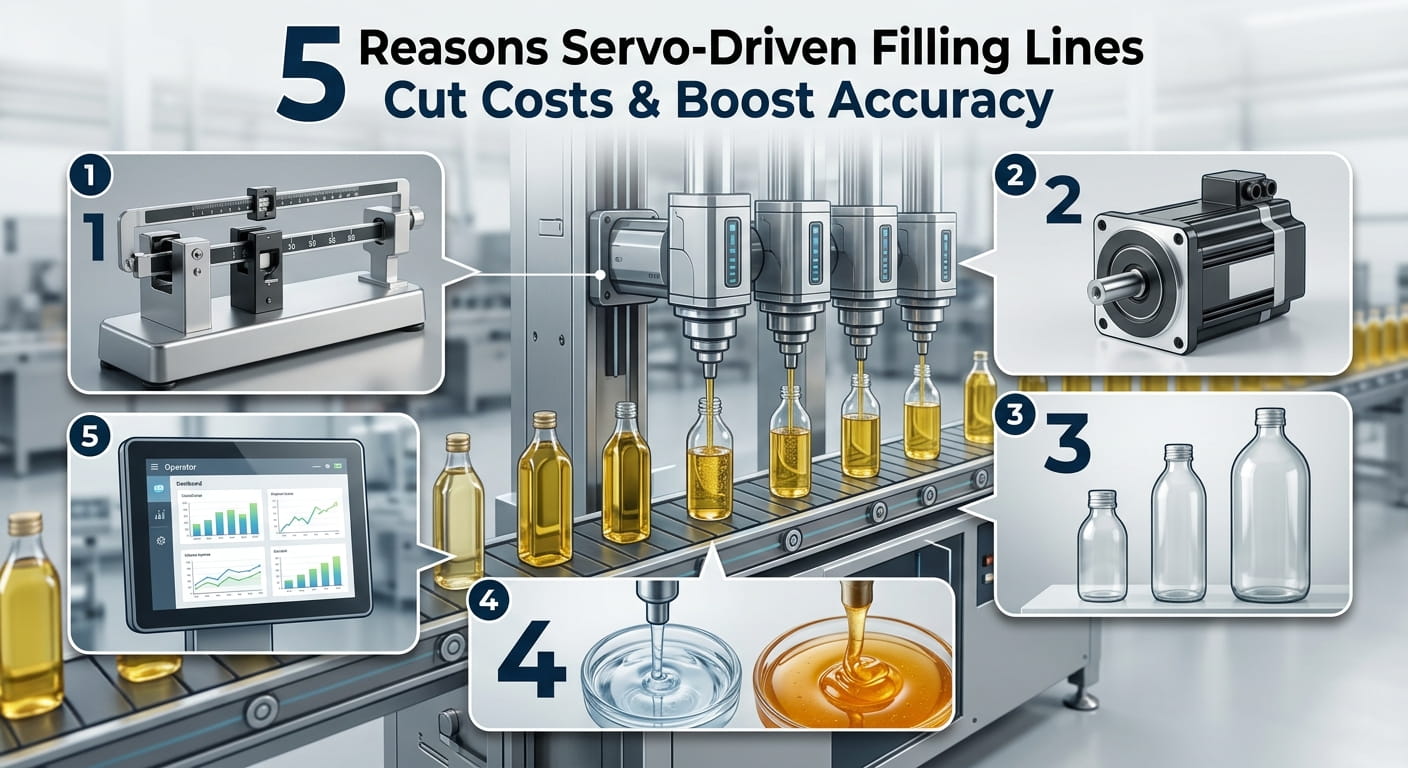
Газирование — важнейший компонент производства безалкогольных напитков, обеспечивающий ту самую освежающую «игристость» и пузырьки, которые так любят потребители. Достижение идеального уровня газирования требует точности, опыта и соблюдения передовых методов на протяжении всего производственного процесса. В этой статье мы подробно рассмотрим ключевые аспекты и методы достижения оптимального уровня газирования при производстве безалкогольных напитков.
Научные основы газирования
Газирование, также известное как растворение диоксида углерода, — это процесс растворения углекислого газа в жидкости, как правило, в воде, для создания газированных напитков. Уровень газирования в безалкогольном напитке является решающим фактором, влияющим на его вкус, ощущение во рту и общее впечатление потребителя. Правильное газирование улучшает сенсорное восприятие напитка и способствует повышению его качества.
Факторы, влияющие на уровень газирования
На уровень газирования в безалкогольном напитке могут влиять несколько факторов, включая температуру, давление, перемешивание и состав жидкости. Понимание этих переменных и управление ими необходимы для обеспечения стабильного и желаемого уровня газирования в конечном продукте.
Лучшие практики газирования
1. **Точное измерение диоксида углерода:** Используйте точные приборы для измерения и контроля количества углекислого газа, добавляемого в жидкость. Это обеспечивает стабильность уровня газирования в разных партиях.
2. **Контроль температуры:** Поддерживайте постоянную температуру во время газирования для оптимизации растворения углекислого газа в жидкости. Незначительные отклонения температуры могут повлиять на уровень газирования.
3. **Регулирование давления:** Контролируйте уровень давления в резервуаре для газирования, чтобы достичь желаемого объема поглощения углекислого газа. Мониторинг и настройка параметров давления имеют решающее значение для поддержания качества.
4. **Оптимизация процесса:** Внедряйте эффективные методы смешивания и перемешивания для обеспечения равномерного распределения углекислого газа по всей жидкости. Правильное смешивание гарантирует однородное газирование.
Методы газирования
В производстве безалкогольных напитков существует несколько распространенных методов газирования:
1. **Поточная (in-line) карбонизация:**
Поточная карбонизация предполагает добавление углекислого газа в жидкость по мере ее прохождения через смесительное устройство. Этот метод позволяет точно контролировать уровень газирования и обычно используется на крупномасштабных производственных предприятиях.
2. **Периодическая (batch) карбонизация:**
Периодическая карбонизация предполагает смешивание углекислого газа с жидкостью в закрытом резервуаре в течение определенного времени для достижения желаемого уровня газирования. Этот метод подходит для небольших производственных партий и обеспечивает гибкость при настройке уровня газирования.
Контроль качества и тестирование
Регулярный контроль качества и тестирование необходимы для обеспечения стабильности и качества газированных безалкогольных напитков. Проведение сенсорных оценок, измерение содержания растворенного углекислого газа и мониторинг уровня газирования на протяжении всего производства являются критически важными аспектами обеспечения качества.
Заключение
Овладение искусством газирования в производстве безалкогольных напитков требует сочетания научных знаний, технических навыков и соблюдения передовых методов. Внедряя методы точного измерения, оптимизируя параметры процесса и поддерживая стандарты контроля качества, производители могут стабильно выпускать газированные напитки, соответствующие ожиданиям потребителей в отношении вкуса, «игристости» и общего удовольствия от продукта.