
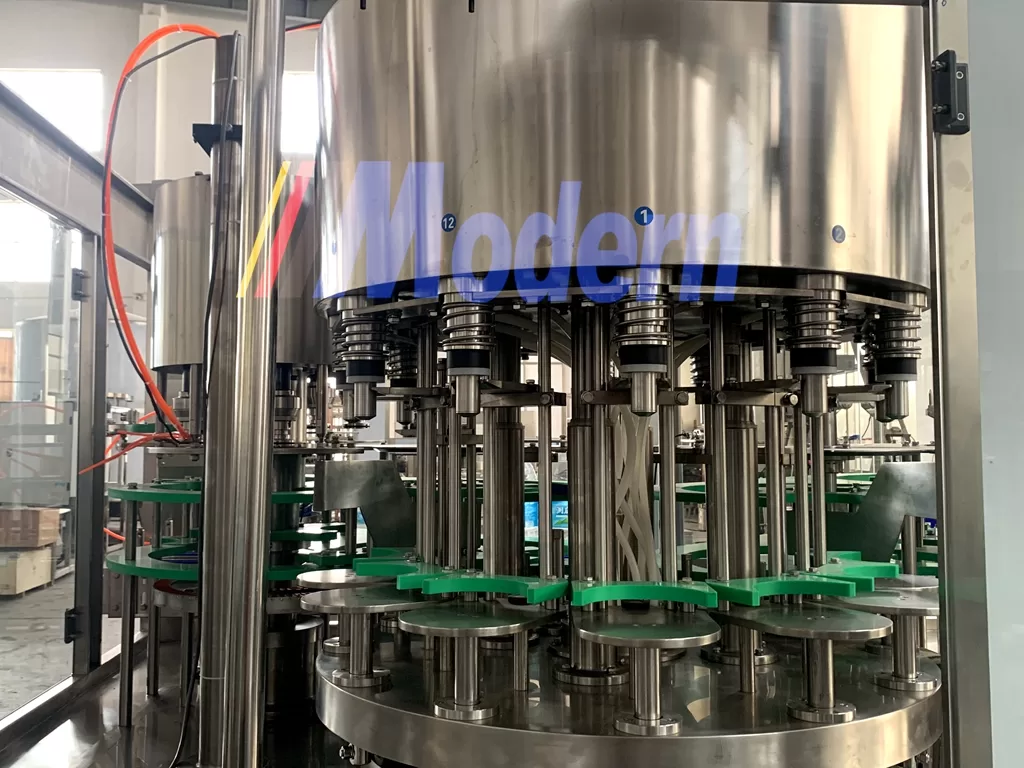
En el próspero mundo de la producción de agua embotellada, el papel de la maquinaria es fundamental. Una pieza de equipo particularmente crucial que no puede pasarse por alto es la máquina mayorista de llenado y tapado de botellas de agua. A medida que aumenta la demanda de agua embotellada, comprender los matices de estas máquinas se vuelve esencial para las empresas que buscan optimizar la eficiencia y mantener la calidad del producto. Este artículo profundizará en los aspectos clave de las máquinas de llenado y tapado de botellas de agua, incluidos sus tipos, funcionalidades, consejos de adquisición y recomendaciones de mantenimiento.
Comprender los conceptos básicos
Las máquinas de llenado y tapado de botellas de agua son equipos especializados que se utilizan para llenar y sellar botellas de agua de manera eficiente, asegurando que el producto permanezca libre de contaminación y sea seguro para el consumo. Estas máquinas pueden manejar diferentes tipos de botellas, incluidas las de plástico y vidrio, y están diseñadas para adaptarse a diversas capacidades de producción, desde operaciones a pequeña escala hasta grandes instalaciones industriales.
Los tipos de máquinas de llenado de botellas de agua
Existen numerosos tipos de máquinas de llenado disponibles en el mercado, cada una diseñada para satisfacer necesidades específicas. Estos son los tipos más comunes:
- Máquinas llenadoras por gravedad: Estas máquinas dependen de la gravedad para llenar las botellas. Funcionan mejor con líquidos poco viscosos como el agua, lo que las hace ideales para el embotellado de agua. El proceso de llenado es relativamente sencillo, lo que permite una fácil limpieza y mantenimiento.
- Máquinas llenadoras neumáticas: Al utilizar presión de aire, estas máquinas son adecuadas para diversos líquidos, incluidas sustancias más viscosas. Sin embargo, no son la primera opción para el agua, ya que su complejidad podría no ofrecer beneficios significativos.
- Máquinas de llenado volumétrico: Estas máquinas dispensan un volumen fijo de líquido, lo que garantiza precisión y consistencia, un factor crucial en la producción. Son perfectas para operaciones a gran escala donde la precisión es primordial.
- Máquinas de llenado por desbordamiento: Ideales para llenar líquidos a un nivel constante, estas máquinas evitan derrames y el llenado excesivo. Se utilizan ampliamente en industrias que requieren un llenado limpio y uniforme.
Máquinas tapadoras: un complemento necesario
Después del llenado, el tapado es otra etapa esencial en el proceso de embotellado. La integridad del sello es fundamental para garantizar la vida útil y la seguridad del agua embotellada. Los diferentes tipos de máquinas tapadoras incluyen:
- Máquinas tapadoras a presión (Snap-On): Estas máquinas aplican las tapas encajándolas de forma segura en las botellas. Son fáciles de usar y requieren un ajuste mínimo.
- Máquinas tapadoras rotativas: Diseñadas para producciones de mayor capacidad, estas máquinas hacen girar las botellas mientras colocan las tapas, lo que garantiza un sellado rápido y eficiente.
- Máquinas tapadoras accionadas por servomotor: Utilizando tecnología avanzada, estas máquinas ofrecen ajustes precisos de par de apriete, lo que permite una presión ajustable que es vital para diferentes tipos de botellas y tapas.
Consideraciones clave para elegir la máquina adecuada
Seleccionar la máquina mayorista de llenado y tapado de botellas de agua adecuada es fundamental para el éxito operativo. Estos son los factores críticos a considerar:
Volumen de producción
Su volumen de producción previsto influirá significativamente en su elección de máquina. Las operaciones más pequeñas pueden beneficiarse de máquinas semiautomáticas, mientras que las industrias más grandes pueden requerir sistemas totalmente automáticos capaces de manejar miles de botellas por hora.
Tipo de botellas
El tipo de botellas que planea llenar, ya sea de plástico, vidrio u otro material, determinará qué máquinas son adecuadas para sus necesidades. Asegúrese de que el equipo se adapte específicamente a las formas y tamaños de las botellas elegidas para obtener la máxima eficiencia.
Restricciones presupuestarias
Invertir en máquinas de llenado y tapado de botellas de agua puede requerir una gran inversión de capital. Establecer un presupuesto claro es esencial para navegar por las opciones disponibles sin comprometer la calidad. Considere no solo el precio de compra inicial, sino también los costos de mantenimiento, repuestos y posibles actualizaciones.
Facilidad de uso y mantenimiento
La eficiencia operativa de su maquinaria también depende de la facilidad de uso y mantenimiento. Las máquinas que son fáciles de usar y limpiar pueden ahorrar tiempo y reducir la probabilidad de tiempo de inactividad durante la operación. Opte por equipos que vengan con manuales claros y atención al cliente accesible.
Maximizar la eficiencia en la producción
Una vez que haya adquirido la máquina de llenado y tapado adecuada, optimizar la eficiencia de la producción es el siguiente paso. Aquí hay algunas estrategias prácticas:
Mantenimiento regular
Los controles de mantenimiento de rutina son necesarios para prolongar la vida útil de sus máquinas y mantenerlas funcionando de manera eficiente. Establezca un programa de mantenimiento que incluya limpieza, lubricación y verificación de desgaste.
Capacitación del personal
Invertir en la capacitación del personal puede mejorar drásticamente la eficiencia operativa. Los empleados debidamente capacitados operarán las máquinas correctamente, reduciendo las posibilidades de mal funcionamiento o errores durante la producción. Los talleres regulares y los cursos de actualización pueden garantizar que su equipo se mantenga al día con las mejores prácticas.
Monitorización y análisis de datos
La incorporación de sistemas de monitoreo puede proporcionar datos en tiempo real sobre su línea de producción. Las soluciones de software pueden rastrear variables como niveles de llenado, tiempos de ciclo y rendimiento de la máquina, ayudando a identificar cuellos de botella y optimizar los procesos.
Cumplimiento y garantía de calidad
En la industria del agua embotellada, el control de calidad y el cumplimiento de las normas de seguridad no son negociables. Esto es lo que necesita saber:
Comprender los requisitos reglamentarios
Familiarícese con los organismos reguladores que rigen los estándares de agua embotellada en su mercado objetivo. El cumplimiento de las normas de seguridad y saneamiento pertinentes es crucial para evitar repercusiones legales y mantener la confianza del consumidor.
Implementación de medidas de control de calidad
Emplee controles de calidad rigurosos en varias etapas de su proceso de producción, desde el abastecimiento de materias primas hasta el sellado final de las botellas. Los sistemas automatizados pueden ayudar a mantener una calidad constante y reducir los errores manuales.
Tendencias futuras en la industria del agua embotellada
A medida que evoluciona la industria del agua embotellada, mantenerse a la vanguardia de las tendencias emergentes puede ofrecer una ventaja competitiva. Estas son algunas tendencias notables que afectan la producción:
Sostenibilidad y envases ecológicos
Con las crecientes preocupaciones ambientales, los consumidores buscan cada vez más opciones de envases ecológicos. Invertir en máquinas que puedan manejar materiales biodegradables o reciclables alinea su proceso de producción con las preferencias del consumidor.
Integración de tecnología inteligente
Las máquinas automatizadas e inteligentes que utilizan tecnología IoT para el monitoreo y la operación remotos están ganando terreno. Dichas tecnologías pueden mejorar la eficiencia, reducir los residuos y optimizar la producción general.
Conclusión
La máquina mayorista de llenado y tapado de botellas de agua desempeña un papel integral en el panorama de la producción de agua embotellada. Al comprender los diversos tipos disponibles, evaluar sus necesidades específicas e implementar las mejores prácticas para la eficiencia y la calidad, las empresas pueden asegurarse de seguir siendo competitivas en un mercado en constante evolución. A medida que la industria continúa adaptándose a las tendencias de los consumidores y a los avances tecnológicos, mantenerse informado será fundamental para aprovechar las oportunidades de crecimiento y éxito.


