
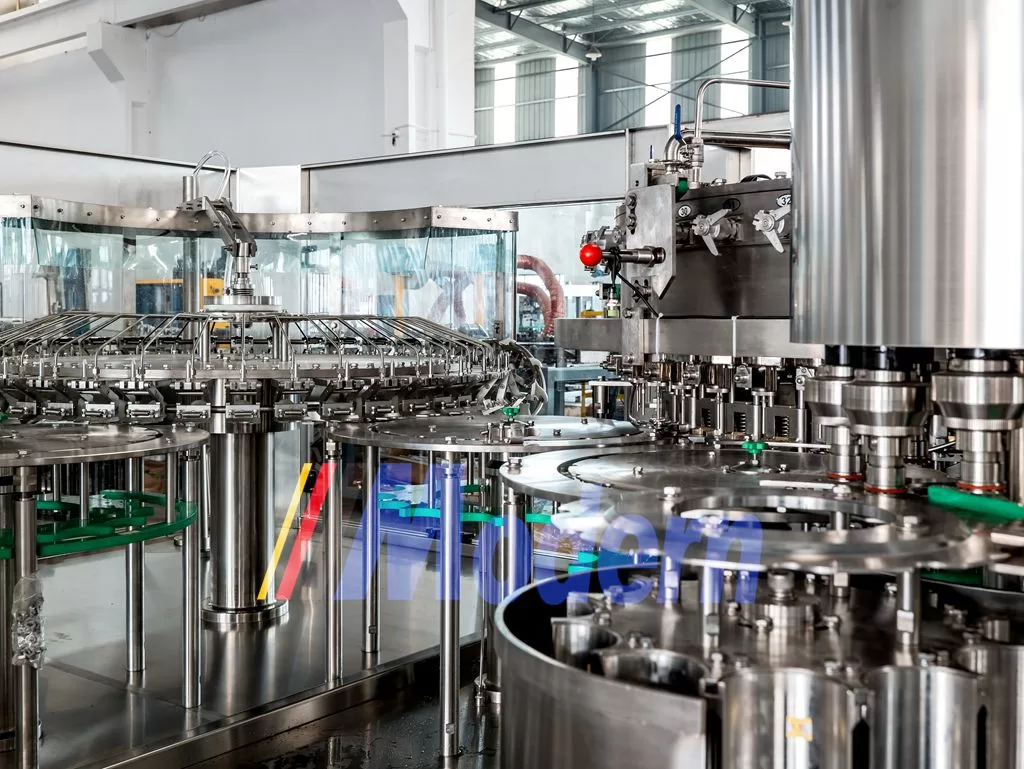
En el ámbito de la fabricación y el envasado, las máquinas llenadoras desempeñan un papel fundamental para garantizar una producción eficiente. Se utilizan en diversas industrias, como la de alimentos y bebidas, farmacéutica, química y cosmética, para dosificar y llenar productos en envases. A medida que la globalización y la dinámica comercial siguen evolucionando, comprender los mecanismos de fijación de precios de las máquinas llenadoras se vuelve crucial para las empresas que buscan optimizar sus operaciones y mejorar su ventaja competitiva. Este artículo profundiza en los precios de las máquinas llenadoras, explorando los factores que influyen en estos costos, los diferentes tipos de máquinas, sus aplicaciones y consejos prácticos para tomar decisiones de compra informadas.
Factores que influyen en los precios de las máquinas llenadoras
El precio de las máquinas llenadoras puede variar significativamente según varios factores clave. Comprenderlos puede ayudar a las empresas a evaluar qué esperar y cómo presupuestar de manera efectiva.
1. Tipo de máquina llenadora
Las máquinas llenadoras vienen en varios tipos, como llenadoras por gravedad, llenadoras de pistón, llenadoras al vacío y llenadoras a presión. La complejidad y la tecnología detrás de cada tipo influyen directamente en su precio. Por ejemplo, una llenadora por gravedad simple utilizada para líquidos no viscosos puede ser considerablemente menos costosa que una sofisticada llenadora al vacío diseñada para productos viscosos o sensibles.
2. Capacidad de producción
La capacidad es otro determinante crucial. Las máquinas diseñadas para la producción de alto volumen suelen costar más que las máquinas manuales más pequeñas. Las empresas deben evaluar sus necesidades de producción; optar por una máquina que se ajuste a sus requisitos de capacidad puede ahorrar costos significativos a largo plazo.
3. Automatización y tecnología
El nivel de automatización integrado en una máquina llenadora puede afectar significativamente su precio. Las máquinas automatizadas ofrecen una mayor eficiencia, reduciendo los costos laborales y minimizando el error humano, pero también conllevan costos iniciales más altos. Las empresas deben sopesar los beneficios de la automatización frente a sus limitaciones presupuestarias y objetivos de producción.
4. Material y calidad de construcción
Los materiales utilizados en la construcción de una máquina llenadora pueden influir en su costo. Las máquinas de acero inoxidable suelen ser más caras que las fabricadas con plástico debido a su durabilidad y resistencia a la corrosión. Invertir en materiales de alta calidad puede resultar en menores costos de mantenimiento y una mayor longevidad.
5. Reputación de la marca y servicio posventa
La reputación del fabricante y la calidad del servicio posventa también pueden afectar los precios. Las marcas bien establecidas a menudo exigen precios más altos debido a su trayectoria comprobada y sus servicios de soporte confiables. Las empresas deben considerar no solo el costo inicial, sino también el valor a largo plazo que ofrece el servicio al cliente, las garantías y la disponibilidad de repuestos.
Tipos de máquinas llenadoras y sus aplicaciones
Comprender los diversos tipos de máquinas llenadoras y sus aplicaciones específicas es esencial para seleccionar la adecuada para sus necesidades. Aquí hay una descripción general de los tipos comunes de máquinas llenadoras:
1. Máquinas llenadoras de líquidos
Las máquinas llenadoras de líquidos son el tipo más frecuente, utilizadas para bebidas, aceites y líquidos químicos. Entre ellas, las llenadoras por gravedad y las llenadoras de pistón son las más comunes.
2. Máquinas llenadoras de polvo
Estas máquinas están diseñadas para productos como harina, azúcar y especias en polvo. Emplean diferentes mecanismos, incluidas las llenadoras de sinfín, para garantizar un llenado preciso.
3. Máquinas llenadoras de pasta
Utilizadas en industrias como la cosmética y la producción de alimentos, las llenadoras de pasta manejan productos espesos y viscosos. Utilizan bombas de desplazamiento positivo o sistemas de pistón para dosificar el producto de manera eficiente.
4. Máquinas llenadoras de gránulos
Las máquinas llenadoras de gránulos atienden productos como arroz, cereales y alimentos para animales. A menudo utilizan alimentadores vibratorios o embudos para garantizar un llenado preciso.
5. Máquinas llenadoras especiales
Estas máquinas están diseñadas para operaciones únicas, como el llenado de productos en aerosol o bolsas. A menudo requieren tecnología especializada y se adaptan a necesidades industriales específicas.
Costos adicionales y consideraciones
Si bien el precio de compra inicial de una máquina llenadora es significativo, las empresas también deben considerar los costos adicionales asociados con la propiedad.
1. Mantenimiento y repuestos
Todas las máquinas requieren un mantenimiento regular para garantizar un rendimiento óptimo. Las empresas deben estimar los costos de mantenimiento continuos, así como la disponibilidad y el precio de los repuestos. Invertir en máquinas de fabricantes con excelente reputación de durabilidad puede mitigar estos costos.
2. Capacitación y operación
Capacitar al personal para operar las máquinas llenadoras es esencial. Las empresas deben presupuestar los costos relacionados con los programas de capacitación, que pueden incluir la contratación de especialistas o el envío de empleados a sesiones de capacitación proporcionadas por el proveedor del equipo.
3. Cumplimiento y certificaciones
Dependiendo de la industria, puede ser necesario el cumplimiento de las regulaciones locales y la obtención de certificaciones. Esto puede implicar costos adicionales para la modificación de la máquina o los procesos de verificación.
Negociar el mejor precio: consejos prácticos y accionables
Para maximizar el valor de las inversiones en máquinas llenadoras, las empresas deben adoptar enfoques estratégicos al negociar los precios. Aquí hay algunas ideas prácticas:
1. Investigar y comparar
Antes de realizar una compra, realice una investigación de mercado exhaustiva. Recopile cotizaciones de múltiples proveedores y compare características, capacidades y precios. Esta práctica proporcionará una visión clara del panorama actual del mercado y permitirá una toma de decisiones informada.
2. Evaluar el costo total de propiedad
Considere el costo total de propiedad, que incluye no solo el precio de compra, sino también los costos de mantenimiento, los costos operativos y el posible tiempo de inactividad. Esta perspectiva ayudará a evaluar el valor a largo plazo de la inversión.
3. Aprovechar las ferias comerciales y exposiciones
Asistir a ferias comerciales de la industria puede ofrecer acceso directo a múltiples proveedores, lo que permite a las empresas ver las máquinas en funcionamiento. Dichos eventos también presentan oportunidades para negociar mejores acuerdos y acceder a descuentos exclusivos de ferias comerciales.
4. Buscar recomendaciones y reseñas
Consulte con sus pares de la industria y busque recomendaciones basadas en sus experiencias con fabricantes y modelos específicos. Las reseñas y testimonios en línea también pueden ofrecer información valiosa sobre el rendimiento y la confiabilidad del equipo.
5. Considere máquinas usadas o reacondicionadas
Para las empresas con un presupuesto ajustado, explorar máquinas de llenado usadas o reacondicionadas puede ser una opción rentable. Sin embargo, es fundamental realizar inspecciones exhaustivas y asegurarse de que cuenten con garantías y documentación del mantenimiento previo.
Conclusión: Invertir sabiamente en máquinas de llenado
En última instancia, la decisión de invertir en una máquina de llenado depende de comprender su precio y los factores que influyen en él. Las empresas deben evaluar sus necesidades y opciones específicas con detenimiento. Al considerar diversas dimensiones, desde los tipos de máquinas hasta los costos de mantenimiento y las tácticas de negociación, las empresas pueden tomar decisiones informadas que impulsen la eficiencia y la rentabilidad en sus procesos de producción. Una máquina de llenado bien elegida no solo agiliza las operaciones, sino que también mejora la calidad del producto y satisface las demandas de los clientes, convirtiéndose en un activo vital en el competitivo panorama del mercado actual.


