
La industria mundial de bebidas ha experimentado una rápida evolución, adaptándose a las demandas de los consumidores y a los avances tecnológicos. Entre los muchos componentes de la producción, la maquinaria de llenado de botellas de vidrio desempeña un papel fundamental. A medida que las empresas se esfuerzan por lograr eficiencia y calidad, comprender las diversas dimensiones de este equipo esencial se vuelve crítico para los fabricantes. Este artículo profundizará en las complejidades de la maquinaria de llenado de botellas de vidrio, explorando sus tipos, principios operativos, avances y conocimientos prácticos para las empresas que buscan mejorar sus procesos de producción.
1. El papel de la maquinaria de llenado de botellas de vidrio
La maquinaria de llenado de botellas de vidrio está diseñada para automatizar el proceso de llenado de envases de vidrio con bebidas, incluyendo agua, jugos, bebidas carbonatadas y bebidas alcohólicas. A diferencia del plástico u otros tipos de envases, el vidrio ofrece ventajas significativas, como impermeabilidad, inercia y reciclabilidad, lo que lo convierte en la opción preferida para muchos productores. La eficiencia y precisión de la maquinaria de llenado no solo afectan los niveles de producción, sino que también impactan la calidad y la vida útil del producto.
2. Tipos de maquinaria de llenado de botellas de vidrio
2.1 Llenadoras por gravedad
Las llenadoras por gravedad funcionan utilizando la fuerza natural de la gravedad para llenar los envases. Cuando un envase se coloca bajo la boquilla de llenado, la bebida fluye desde un depósito para llenarlo. Este tipo es el más adecuado para fluidos de baja viscosidad, garantizando velocidad y simplicidad mientras se minimiza la complejidad mecánica.
2.2 Llenadoras a presión
Las llenadoras a presión utilizan tanques presurizados para dispensar líquidos en los envases. Este método es ideal para bebidas carbonatadas, ya que ayuda a mantener los niveles de carbonatación. Al llenar bajo presión, la maquinaria evita la formación de espuma y, por lo tanto, ofrece un llenado más limpio.
2.3 Llenadoras al vacío
Los sistemas de llenado al vacío crean un vacío que succiona el líquido hacia el interior del envase. Son particularmente ventajosos para productos que deben llenarse a un nivel preciso sin derrames, lo que los hace populares en las industrias alimentaria y farmacéutica.
2.4 Llenadoras por tiempo y gravedad
Estas máquinas incorporan atributos tanto de la gravedad como de operaciones temporizadas, lo que permite un mayor control sobre el proceso de llenado. Pueden manejar diversas viscosidades y son particularmente útiles para productos que requieren un volumen o nivel exacto en cada botella.
3. Componentes clave de la maquinaria de llenado de botellas de vidrio
Para apreciar completamente cómo funciona la maquinaria de llenado de botellas de vidrio, es esencial comprender sus componentes clave:
3.1 Boquillas de llenado
La boquilla de llenado es crucial para controlar el flujo de líquido hacia los envases. Se emplean diversos diseños para evitar la formación de espuma, minimizar los derrames y facilitar ajustes rápidos para diferentes tamaños de botella.
3.2 Sistemas de control
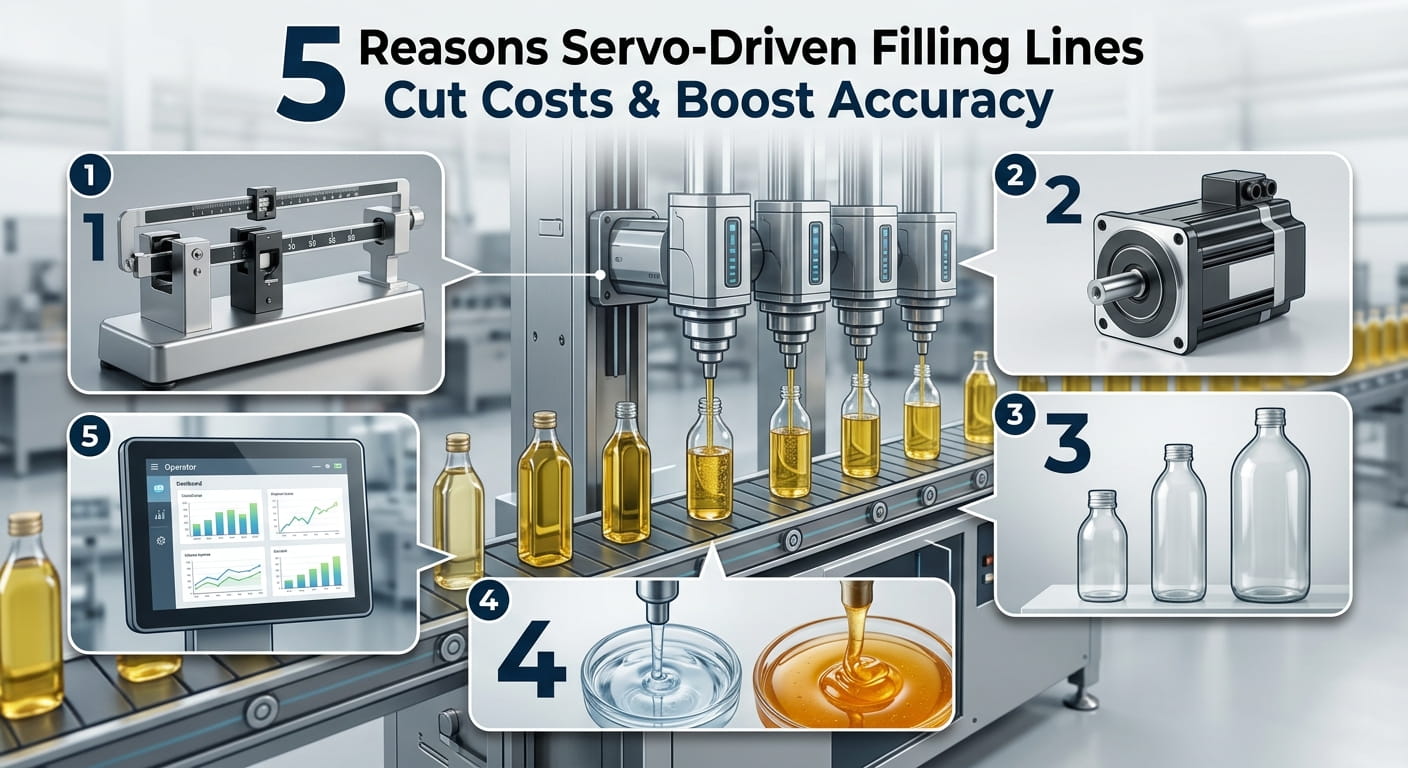
Las máquinas de llenado modernas están equipadas con sistemas de control avanzados, lo que permite un monitoreo y ajustes precisos durante la operación. Estos sistemas mejoran la eficiencia y la precisión del proceso de llenado, aumentando la productividad general.
3.3 Sistemas de transporte
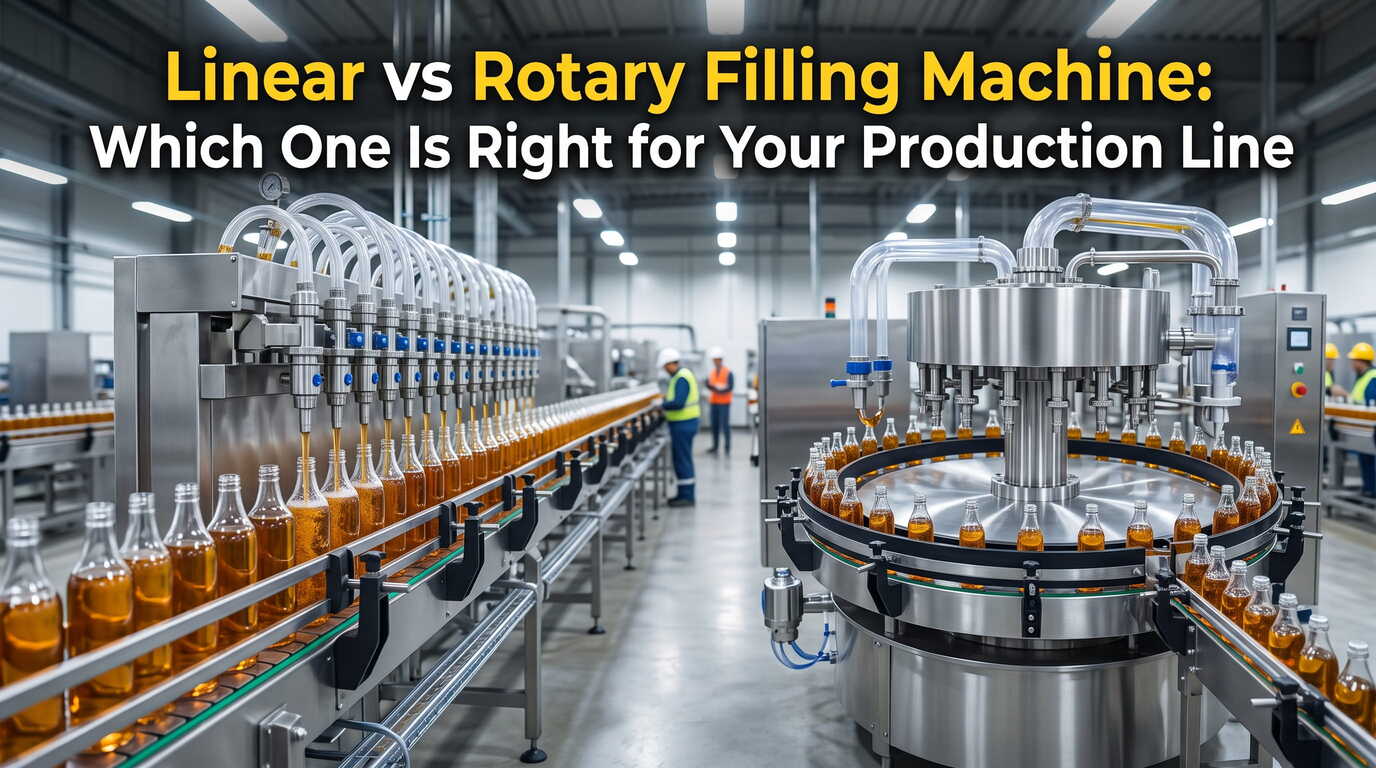
Los sistemas de transporte eficientes aseguran que las botellas vacías se muevan sin problemas de una estación a otra. Estos sistemas pueden incluir cintas transportadoras, mesas giratorias y otros mecanismos diseñados para la velocidad y la fiabilidad.
3.4 Módulos de limpieza y esterilización
Para mantener la calidad y seguridad del producto, muchas máquinas de llenado de botellas de vidrio incorporan módulos de limpieza y esterilización. Los procesos automatizados de enjuague y desinfección ayudan a minimizar los riesgos de contaminación.
4. La importancia del control de calidad
En el ámbito del embotellado de vidrio, el control de calidad es primordial. Un sistema de control de calidad eficaz puede mitigar significativamente los riesgos asociados con la contaminación y garantizar la consistencia del producto. Los puntos clave a considerar incluyen:
4.1 Mantenimiento regular
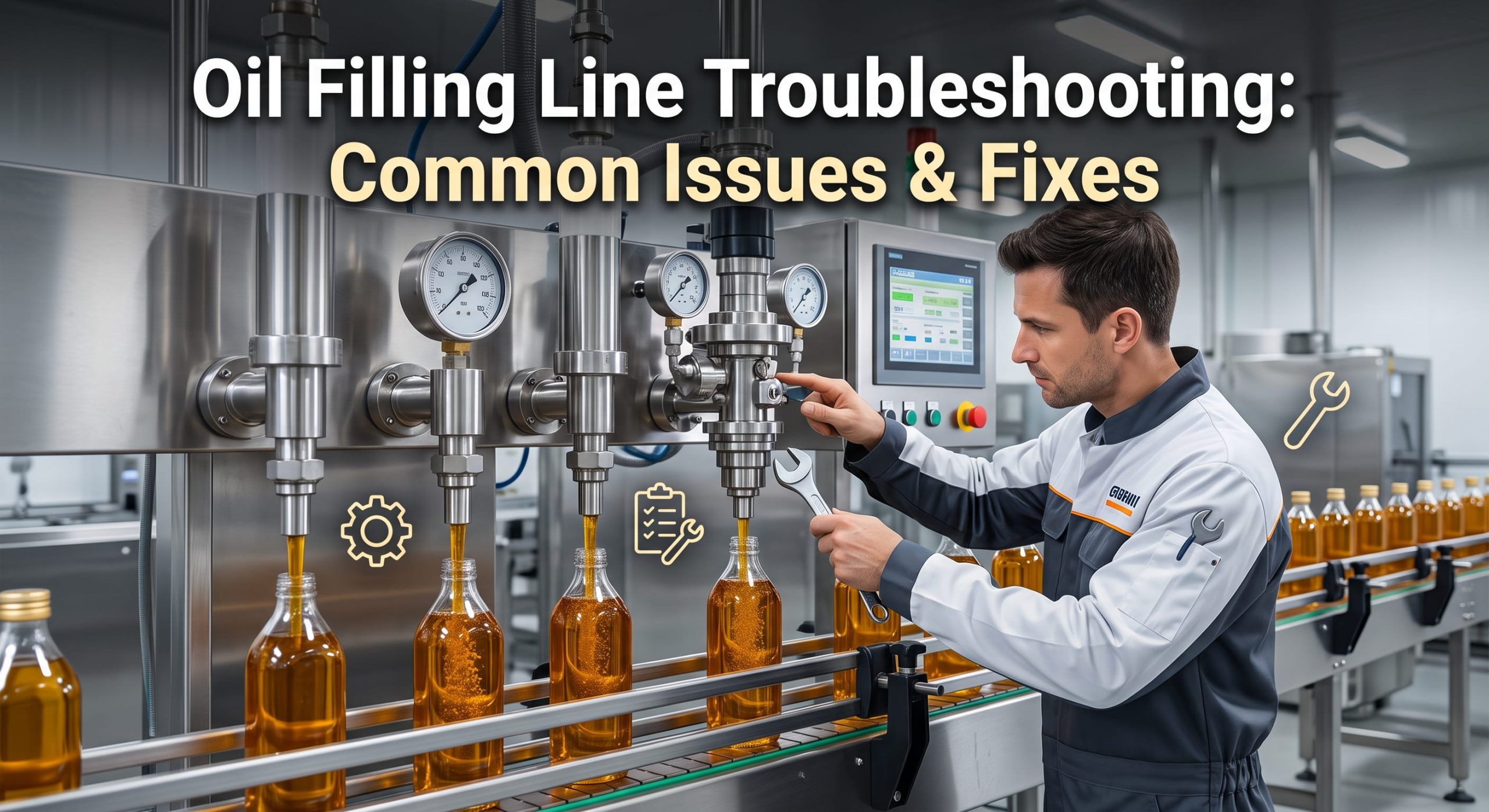
Implementar un programa de mantenimiento regular para la maquinaria de llenado es esencial. Esto debe incluir revisiones rutinarias de los componentes mecánicos, calibración de los volúmenes de llenado e inspección de los sistemas de control.
4.2 Capacitación de los operadores
Una fuerza laboral bien capacitada puede identificar y rectificar pequeños problemas antes de que se conviertan en problemas mayores. Las sesiones de capacitación regulares sobre operación, resolución de problemas y protocolos de seguridad ayudan a establecer una cultura de garantía de calidad.
4.3 Énfasis en la higiene
La higiene en el entorno de embotellado no puede subestimarse. Hacer cumplir protocolos estrictos de saneamiento ayuda a mantener la integridad de los productos que se embotellan.
5. Desafíos que enfrentan las operaciones de embotellado de vidrio
Si bien el embotellado de vidrio ofrece numerosos beneficios, los fabricantes también enfrentan desafíos que pueden obstaculizar la producción:
5.1 Fragilidad del vidrio
El vidrio es intrínsecamente frágil, lo que hace que su manipulación y transporte sean riesgosos. Es esencial desarrollar estrategias para minimizar las roturas, especialmente durante las operaciones de alta velocidad.
5.2 Implicaciones de costos
La inversión inicial para la maquinaria de llenado de botellas de vidrio suele ser mayor en comparación con otros materiales. Sin embargo, evaluar los beneficios a largo plazo y el potencial de sostenibilidad puede justificar estos costos.
5.3 Cumplimiento normativo
La industria de bebidas está fuertemente regulada. Los fabricantes deben asegurarse de que sus sistemas de llenado cumplan con las normas internacionales y locales relativas a la seguridad del producto, el etiquetado y el impacto ambiental.
6. Innovaciones en la maquinaria de llenado de botellas de vidrio
El panorama de la maquinaria de embotellado de vidrio está evolucionando rápidamente, impulsado por los avances tecnológicos. Algunas tendencias e innovaciones notables incluyen:
6.1 Automatización y robótica
La automatización ha hecho incursiones significativas en los procesos de embotellado. La robótica puede optimizar la manipulación de las botellas de vidrio mientras mejora la eficiencia, reduce los costos laborales y minimiza el riesgo de daños.
6.2 Integración de tecnología inteligente
La conexión de maquinaria de llenado a dispositivos habilitados para IoT permite el monitoreo y el análisis de datos en tiempo real. Esta integración ayuda en el mantenimiento predictivo y en la identificación de tendencias que pueden contribuir a mejorar las operaciones.
6.3 Iniciativas ecológicas
Dado que la sostenibilidad sigue siendo una prioridad, los fabricantes están explorando diseños de botellas ecológicas y vidrio ligero para reducir el consumo de energía en la producción y el transporte.
7. Consejos prácticos para empresas
Para las empresas que buscan invertir en maquinaria de llenado de botellas de vidrio o actualizarla, varios enfoques prácticos pueden ayudar a optimizar el proceso:
7.1 Realizar una evaluación de necesidades
Antes de realizar cualquier inversión, es importante llevar a cabo una evaluación exhaustiva de las necesidades. Analice el volumen de producción, los tipos de productos y los objetivos a largo plazo. Esta comprensión guiará la selección de la maquinaria adecuada.
7.2 Colaborar con expertos
Contar con expertos o consultores del sector puede proporcionar información muy valiosa. Ellos pueden ofrecer orientación sobre la selección de la mejor maquinaria para necesidades específicas y ayudar a navegar por los requisitos normativos.
7.3 Hacer hincapié en el soporte posventa
Invertir en maquinaria es solo el primer paso. Asegúrese de que el proveedor ofrezca un soporte posventa sólido, que incluya formación, mantenimiento y un servicio oportuno para mantener las operaciones funcionando sin problemas.
Conclusión
La maquinaria de llenado de botellas de vidrio es una parte integral del panorama de la producción de bebidas, ya que ofrece calidad, sostenibilidad y una forma eficiente de entregar productos a los consumidores. Al comprender los diversos tipos de maquinaria de llenado, la importancia del control de calidad y las últimas innovaciones, los fabricantes pueden tomar decisiones informadas que mejoren la productividad y satisfagan las demandas cambiantes de los consumidores. A medida que la industria continúa adaptándose, aprovechar la tecnología y las mejores prácticas operativas será clave para el éxito en un mercado cada vez más competitivo.