
A medida que la industria de las bebidas sigue expandiéndose a nivel mundial, aumenta la demanda de eficiencia, calidad y consistencia en los procesos de producción. Entre las diversas soluciones de envasado de bebidas, la línea de llenado en caliente de zumos destaca por su capacidad para mejorar la eficacia operativa y mantener la integridad del producto. Este artículo profundiza en los matices de las líneas de llenado en caliente, explorando su mecánica, beneficios, consideraciones y tendencias futuras. Con un enfoque en consejos prácticos e ideas accionables, esta guía tiene como objetivo capacitar a los fabricantes de bebidas para adoptar las soluciones de llenado más efectivas para sus operaciones.
Entendiendo las líneas de llenado en caliente de zumos
Una línea de llenado en caliente de zumos está diseñada específicamente para el procesamiento y envasado de zumos y bebidas a alta temperatura. Estos productos generalmente se pasteurizan para eliminar patógenos y mejorar su vida útil. El proceso de llenado en caliente implica calentar el zumo a una temperatura superior a 85°C (185°F), que posteriormente se vierte en envases precalentados. El sellado inmediato de los envases es crucial para evitar la recontaminación, asegurando que los productos mantengan su valor nutricional, sabor y frescura al llegar al consumidor.
Componentes de una línea de llenado en caliente de zumos
La eficiencia de una línea de llenado en caliente de zumos depende de varios componentes clave:
- Sistema de preparación del zumo: Esto implica la extracción de la fruta, filtración y calentamiento para alcanzar la temperatura deseada. Asegurar materias primas de buena calidad es esencial en esta etapa.
- Unidad de pasteurización: Un paso crucial que elimina las bacterias dañinas mientras preserva los nutrientes esenciales del zumo. Se pueden emplear varios métodos, como sistemas de tubos de mantenimiento o intercambiadores de calor de placas.
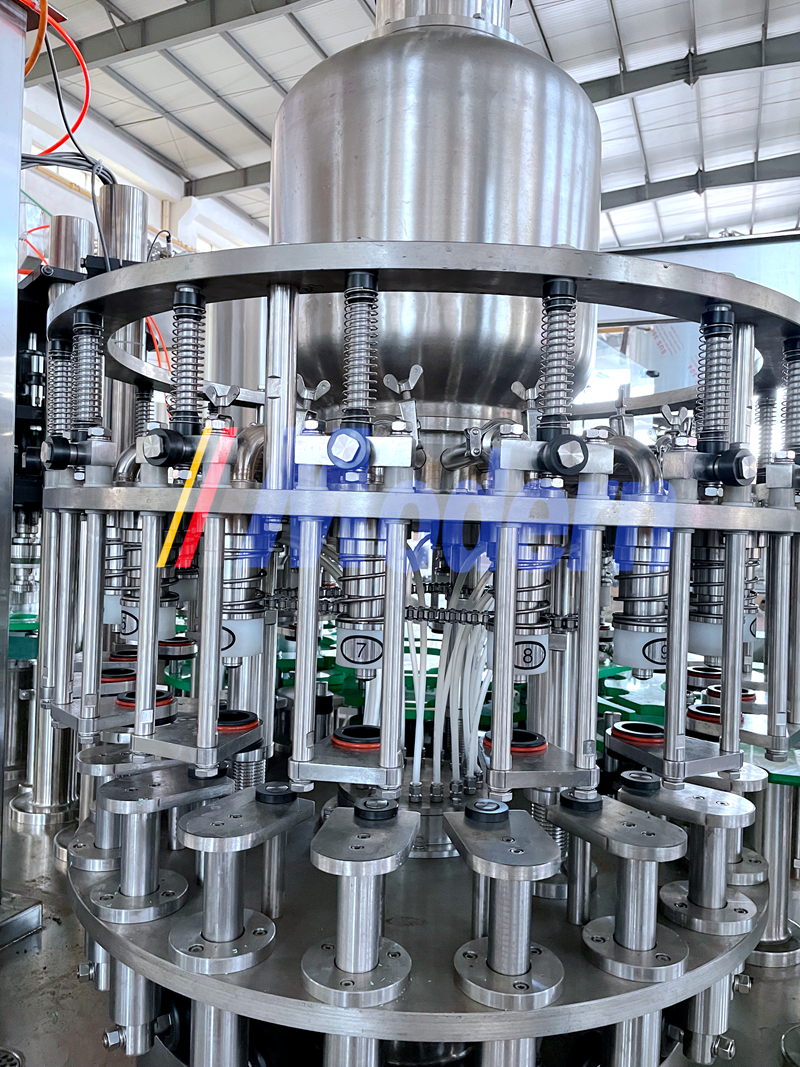
- Máquina llenadora: Aquí es donde el zumo caliente se vierte en los envases. Las boquillas de llenado deben mantener la temperatura adecuada para evitar que el zumo se enfríe prematuramente.
- Sistema de sellado: Los envases se sellan inmediatamente después del llenado para evitar la contaminación y preservar la frescura. Se pueden utilizar diferentes técnicas de sellado, como inducción o tapas de rosca, dependiendo del tipo de envase.
- Etiquetado y envasado: El etiquetado preciso es vital para el cumplimiento normativo y el marketing. La automatización en el etiquetado y el envasado aumenta la eficiencia de la línea de producción.
- Mecanismos de control de calidad: Se integran controles regulares y sistemas de monitoreo para mantener la calidad durante todo el proceso de producción, asegurando que solo los mejores productos lleguen a los consumidores.
Beneficios de las líneas de llenado en caliente de zumos
La adopción de líneas de llenado en caliente de zumos ofrece numerosas ventajas sobre los métodos de llenado tradicionales. Algunos de estos beneficios incluyen:
1. Vida útil mejorada
El llenado en caliente aumenta significativamente la vida útil de los zumos. Al eliminar microorganismos mediante la pasteurización a alta temperatura, los productos pueden almacenarse durante períodos prolongados sin refrigeración, haciéndolos más viables en el comercio internacional.
2. Integridad nutricional
Contrario a algunas creencias, el llenado en caliente puede preservar muchas de las vitaminas y minerales esenciales del zumo. Una gestión cuidadosa de los tiempos de calentamiento y enfriamiento asegura que el perfil nutricional permanezca prácticamente intacto, satisfaciendo las demandas de los consumidores de bebidas saludables.
3. Sabor y aroma mejorados
El procesamiento térmico involucrado en el llenado en caliente ayuda a retener el sabor y el aroma de los ingredientes del zumo, lo que resulta en un producto que deleita el paladar. Es más probable que los consumidores vuelvan a las marcas que ofrecen sabores de calidad de manera consistente.
4. Flexibilidad en la producción
Las líneas de llenado en caliente de zumos pueden adaptarse a varios formatos de envasado, lo que permite a los fabricantes diversificar sus ofertas de productos. Ya sean botellas de vidrio, envases de plástico o cartones, la flexibilidad en el envasado puede atender eficazmente a diferentes segmentos del mercado.
5. Rentabilidad
A pesar de la inversión inicial en tecnología de llenado en caliente, los ahorros a largo plazo en almacenamiento, transporte y posibles desperdicios lo convierten en una opción rentable para los productores de bebidas. La reducción en el uso de energía durante la pasteurización y el llenado también contribuye a los ahorros de costos generales.
Consideraciones para implementar una línea de llenado en caliente de zumos
Si bien las líneas de llenado en caliente de zumos pueden ofrecer beneficios transformadores, se deben tener en cuenta varias consideraciones durante la implementación:
1. Calidad de las materias primas
La calidad del zumo en la etapa de procesamiento es primordial. Obtener frutas de alta calidad asegura que el producto final cumpla con las expectativas del consumidor. Es recomendable establecer relaciones con proveedores confiables y realizar evaluaciones de calidad periódicas.
2. Capacitación operativa
Las complejidades técnicas de operar una línea de llenado en caliente de zumos requieren una capacitación exhaustiva para el personal. Los empleados deben comprender la maquinaria, los procesos de control de calidad y los protocolos de seguridad esenciales para mantener la eficiencia de la producción y la calidad del producto.
3. Cumplimiento normativo
La industria de las bebidas está fuertemente regulada, y los fabricantes deben garantizar el cumplimiento de las normas locales e internacionales de seguridad alimentaria. Mantenerse al tanto de las regulaciones relevantes durante la implementación de una línea de llenado en caliente es vital para evitar sanciones costosas y asegurar la aceptación del producto en varios mercados.
4. Mantenimiento de equipos
El mantenimiento regular es crucial para mantener la línea de llenado en caliente funcionando sin problemas. No abordar el desgaste de los equipos podría provocar un tiempo de inactividad costoso. El mantenimiento programado debe ser parte de la estrategia operativa para evitar fallas inesperadas.
5. Tendencias del consumidor
Estar atento a la evolución de las preferencias de los consumidores puede informar el desarrollo de productos. A medida que aumentan las tendencias de salud y bienestar, las opciones de zumos orgánicos o bebidas funcionales que contienen beneficios nutricionales añadidos pueden volverse deseables. Una línea de llenado en caliente de zumos puede adaptarse fácilmente para satisfacer estas tendencias.
Tendencias futuras en la tecnología de llenado en caliente de zumos
La industria del llenado en caliente de zumos está preparada para varios desarrollos interesantes:
1. Integración de IoT y automatización
Los avances en la Industria 4.0 y el Internet de las Cosas (IoT) están destinados a influir significativamente en el sector del llenado en caliente de zumos. Las tecnologías inteligentes que facilitan el monitoreo en tiempo real pueden optimizar las operaciones y mejorar la seguridad.
2. Prácticas sostenibles
Con el cambio global hacia la sostenibilidad, es probable que los fabricantes adopten prácticas ecológicas. Desde la obtención de productos orgánicos hasta la minimización de residuos en el envasado y las operaciones, las iniciativas ecológicas resonarán entre los consumidores conscientes del medio ambiente.
3. Investigación y desarrollo
La I+D continua impulsará innovaciones en formulaciones, sabores y bebidas funcionales. Es probable que esta exploración conduzca a la creación de mezclas de jugos únicas que atiendan a mercados especializados.
4. Compromiso del consumidor y branding
Las iniciativas de branding mejoradas a través de la narrativa y el compromiso directo con el consumidor se convertirán en un punto focal para las empresas de bebidas. El uso de diseños de empaques innovadores y estrategias de marketing activo en redes sociales puede ayudar a las marcas a diferenciarse en un mercado cada vez más competitivo.
Conclusión
Invertir en una línea de llenado de jugo en caliente no solo amplifica la eficiencia de la producción y la calidad del producto, sino que también posiciona a los fabricantes favorablemente en un panorama competitivo. Comprender los componentes, los beneficios y las tendencias futuras de la tecnología permite a los productores tomar decisiones informadas que se alineen con las demandas del mercado. Al adoptar prácticas innovadoras y centrarse en la calidad y la sostenibilidad, las empresas pueden prosperar en la dinámica industria de las bebidas, satisfaciendo las necesidades de los consumidores y allanando el camino hacia un futuro próspero.


