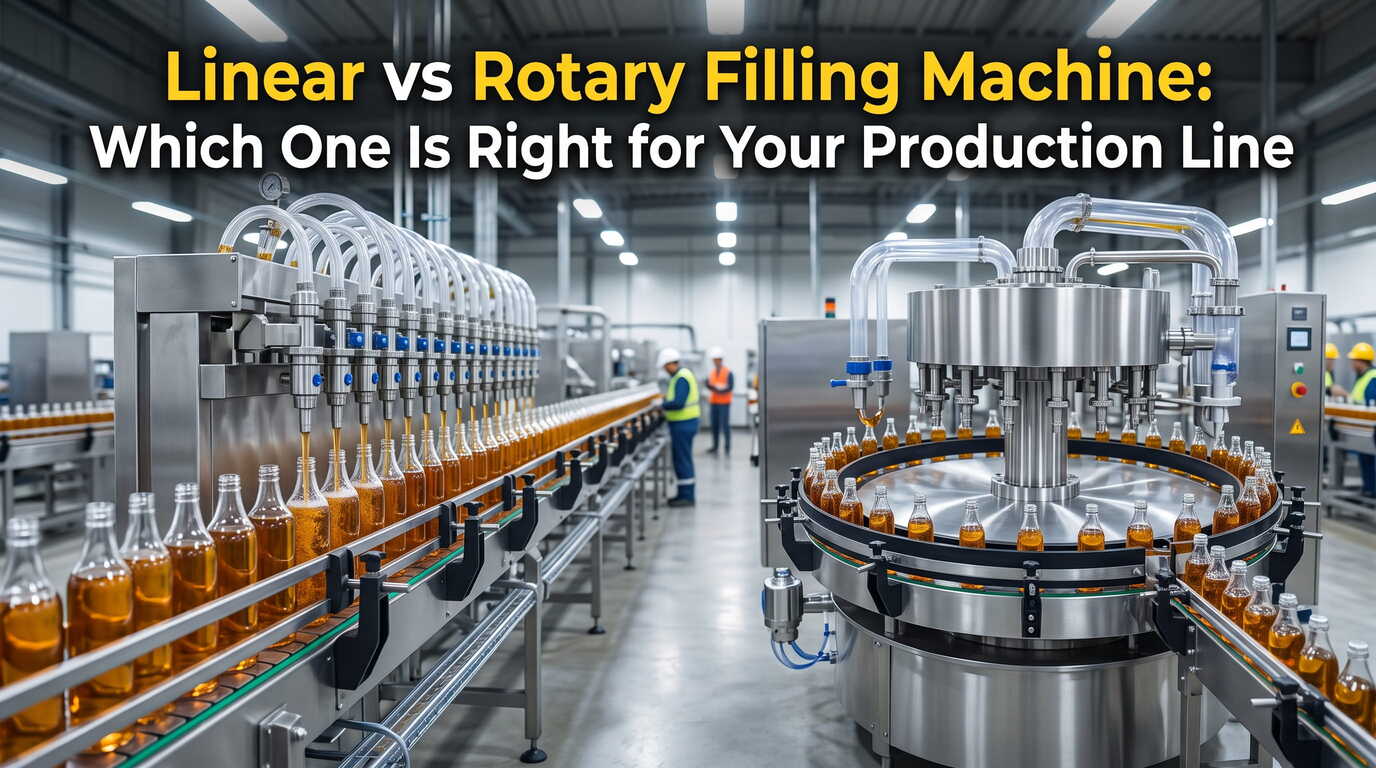

La industria de los zumos de frutas ha experimentado un crecimiento significativo en los últimos años, impulsado por la creciente demanda de los consumidores de bebidas saludables y naturales. Como resultado, la necesidad de máquinas de llenado y envasado de zumos de frutas eficientes y fiables se ha vuelto primordial para los fabricantes que buscan optimizar sus procesos de producción y satisfacer las demandas del mercado. Este artículo profundiza en las complejidades de las máquinas de llenado y envasado de zumos de frutas, explorando sus tipos, funcionalidades, beneficios y consideraciones clave para las empresas del sector.
La importancia del llenado y envasado en la industria de los zumos
El llenado y el envasado son etapas críticas en la producción de zumo de frutas. Estos procesos no solo garantizan la preservación de la calidad y frescura del producto, sino que también desempeñan un papel importante en la imagen de marca y el atractivo para el consumidor. Las soluciones de llenado y envasado adecuadas pueden mejorar la vida útil, prevenir la contaminación y facilitar la facilidad de uso para los consumidores. Además, la maquinaria eficiente puede reducir significativamente los costes de producción y aumentar el rendimiento, por lo que es esencial que los fabricantes inviertan en tecnología avanzada.
Tipos de máquinas de llenado de zumos de frutas
Las máquinas de llenado de zumos de frutas vienen en varios tipos, cada una diseñada para satisfacer necesidades y requisitos de producción específicos. A continuación, se presentan algunos de los tipos más comunes:
1. Máquinas de llenado por gravedad
Las máquinas de llenado por gravedad utilizan la fuerza de la gravedad para llenar los envases con zumo. Son ideales para líquidos de baja viscosidad y se utilizan a menudo para llenar botellas, cartones y bolsas. Este tipo de máquina tiene un diseño sencillo y es relativamente fácil de operar, lo que la hace adecuada para tiradas de producción pequeñas y medianas.
2. Máquinas de llenado al vacío
Las máquinas de llenado al vacío funcionan creando un vacío que succiona el zumo hacia el interior del envase. Este método es particularmente eficaz para líquidos más espesos y ayuda a minimizar la exposición al aire, lo que puede afectar a la calidad del zumo. Las máquinas de llenado al vacío se utilizan habitualmente para botellas de vidrio y son conocidas por su precisión y eficiencia.
3. Máquinas llenadoras de pistón
Las máquinas de llenado por pistón utilizan un pistón para succionar el zumo hacia una cámara y luego dispensarlo en los envases. Este tipo de máquina es muy versátil y puede manejar una amplia gama de viscosidades de líquidos, lo que la hace adecuada para diversos productos de zumo. Las llenadoras de pistón se emplean a menudo en líneas de producción de alta velocidad debido a su precisión y rapidez.
4. Máquinas de llenado por sinfín (Auger)
Las máquinas de llenado por tornillo sin fin (sinfín) están diseñadas para productos en polvo o granulados, pero también pueden adaptarse para productos de zumo más espesos. Estas máquinas utilizan un tornillo sin fin giratorio para dispensar el líquido en los envases. Son particularmente útiles para llenar bolsas o envases que requieren un volumen específico de zumo.
Características clave de las máquinas modernas de llenado y envasado de zumos de frutas
Las máquinas modernas de llenado y envasado de zumos de frutas están equipadas con diversas características que mejoran su funcionalidad y eficiencia. Aquí hay algunas características clave a considerar:
1. Automatización
La automatización es una tendencia significativa en la industria manufacturera, y las máquinas de llenado de zumos de frutas no son una excepción. Los sistemas automatizados pueden agilizar el proceso de llenado y envasado, reduciendo los costes laborales y minimizando el error humano. Características como la alimentación automática de botellas, el taponado y el etiquetado pueden mejorar significativamente la productividad.
2. Higiene y limpieza
Dada la naturaleza perecedera del zumo de frutas, la higiene es primordial. Las máquinas de llenado modernas están diseñadas con componentes y materiales fáciles de limpiar que cumplen con las normas de seguridad alimentaria. Busque máquinas que ofrezcan un desmontaje rápido para la limpieza y el mantenimiento, así como aquellas fabricadas en acero inoxidable u otros materiales no corrosivos.
3. Flexibilidad
La capacidad de manejar diferentes tamaños y tipos de envases es esencial para los fabricantes que producen una variedad de productos de zumo. Las máquinas de llenado flexibles pueden ajustarse fácilmente para adaptarse a diferentes formas, tamaños y materiales de botellas, lo que permite a las empresas diversificar su oferta de productos sin tener que invertir en múltiples máquinas.
4. Sistemas de control de calidad
Las máquinas de llenado avanzadas suelen venir equipadas con sistemas de control de calidad integrados que supervisan el proceso de llenado en tiempo real. Estos sistemas pueden detectar problemas como el llenado insuficiente o excesivo, asegurando que cada envase cumpla con los estándares de calidad. La implementación de dicha tecnología puede reducir significativamente los residuos y mejorar la consistencia del producto.
Elegir el envase adecuado para el zumo de frutas
La elección del envase es tan crucial como el propio proceso de llenado. El envase adecuado no solo protege el zumo, sino que también influye en las decisiones de compra del consumidor. Aquí hay algunas opciones de envasado comunes para el zumo de frutas:
1. Botellas
Las botellas son una de las opciones de envasado más populares para el zumo de frutas. Pueden estar hechas de vidrio, plástico o materiales biodegradables. Las botellas de vidrio suelen preferirse para zumos premium debido a su atractivo estético y su capacidad para preservar el sabor. Por el contrario, las botellas de plástico ofrecen una comodidad ligera y son menos propensas a romperse.