
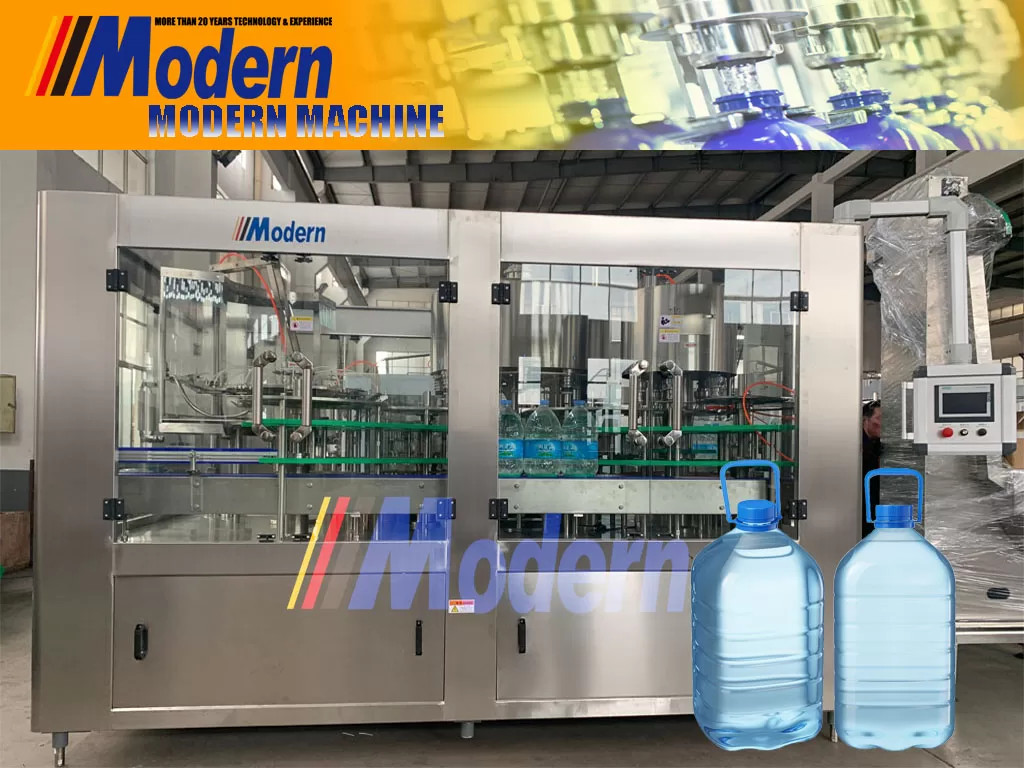
En una era en la que la conciencia sobre la salud y el medio ambiente está en aumento, la demanda de agua embotellada se está disparando. Como resultado, las empresas que buscan satisfacer las necesidades de los consumidores deben garantizar procesos de producción eficientes, y la inversión en una máquina llenadora de botellas de agua de 5 galones es un elemento crucial en este esfuerzo. Este artículo explorará varias facetas de estas máquinas, ofreciendo consejos prácticos, información sobre los diferentes tipos y características, y sugerencias para maximizar su eficiencia.
Comprender la demanda de agua embotellada
A nivel mundial, la industria del agua embotellada ha experimentado un crecimiento sustancial. Factores como la comodidad, la portabilidad y un mayor enfoque en la hidratación contribuyen a esta tendencia. La demanda de agua embotellada de 5 galones es particularmente significativa debido a su atractivo equilibrio entre tamaño y rentabilidad. Además, estas botellas grandes son ideales para el uso en el hogar o la oficina, lo que las convierte en un elemento básico en muchos entornos.
El papel de las máquinas llenadoras de botellas de agua de 5 galones
Las máquinas llenadoras de botellas de agua de 5 galones están diseñadas específicamente para automatizar y agilizar el proceso de embotellado. Estas máquinas no solo mejoran la eficiencia de la producción, sino que también garantizan que el agua se llene sin contaminación, preservando su calidad. Desde pequeñas empresas hasta fabricantes a gran escala, la máquina llenadora adecuada puede afectar significativamente la productividad y los márgenes de beneficio.
Tipos de máquinas llenadoras de botellas de agua de 5 galones
Máquinas de llenado por gravedad
Las máquinas de llenado por gravedad se encuentran entre los tipos de equipos más simples utilizados en la industria del embotellado. Funcionan según el principio de gravedad, donde el agua fluye desde un tanque directamente hacia las botellas. Si bien este tipo de máquina es fácil de usar y mantener, puede no ser adecuada para líneas de producción de alta velocidad.
Máquinas de llenado a presión
Las máquinas de llenado a presión utilizan presión de aire para empujar el agua hacia las botellas. Este método permite velocidades de llenado más rápidas y es más eficiente que las máquinas de llenado por gravedad. Sin embargo, se requiere mantenimiento adicional para garantizar que el sistema de presión de aire funcione correctamente.
Máquinas de llenado al vacío
Las máquinas de llenado al vacío emplean un vacío para succionar el agua hacia la botella. Son ideales para líquidos espesos o viscosos, pero también pueden ser efectivas para el agua. Esta técnica de llenado reduce la probabilidad de burbujas y garantiza niveles de llenado consistentes. Sin embargo, pueden tener un precio más elevado en comparación con otros métodos de llenado.
Características clave a considerar al elegir una máquina llenadora
Compatibilidad de materiales
Comprender los materiales utilizados en su máquina llenadora es fundamental. Los componentes deben estar fabricados con materiales de grado alimenticio que resistan la corrosión y la contaminación. El acero inoxidable es una opción común debido a su durabilidad y facilidad de limpieza.
Nivel de automatización
El grado de automatización de una máquina llenadora puede afectar significativamente la productividad. Las máquinas totalmente automatizadas pueden realizar múltiples tareas, incluyendo enjuague, llenado, tapado y etiquetado, minimizando así los costos laborales y el error humano.
Velocidad y eficiencia
Considere la velocidad de llenado y la eficiencia general de la máquina. Las máquinas de alta velocidad pueden llenar cientos o miles de botellas por hora, lo cual es esencial para las empresas que buscan escalar. Equilibrar la velocidad con la calidad es crucial para mantener la integridad del producto.
Facilidad de limpieza y mantenimiento
Los protocolos de limpieza y mantenimiento son vitales para cualquier operación de embotellado. Considere máquinas que ofrezcan un fácil desmontaje y que estén diseñadas para una limpieza eficiente. El mantenimiento regular garantizará la longevidad y un rendimiento óptimo.
La importancia del control de calidad
Implementar medidas sólidas de control de calidad es indispensable en la industria del embotellado. Esto abarca desde el abastecimiento de agua de alta calidad hasta garantizar que las máquinas estén calibradas y funcionen correctamente. Considere incorporar sistemas de monitoreo en línea que puedan detectar niveles de llenado, detectar contaminantes y garantizar la limpieza durante todo el proceso.
Consideraciones de costos
Al invertir en una máquina llenadora de botellas de agua de 5 galones, es esencial sopesar tanto los costos iniciales como los gastos operativos a largo plazo. Si bien las opciones más baratas pueden parecer atractivas, pueden generar mayores costos de mantenimiento y una menor eficiencia. Una inversión más sustancial en una máquina de alta calidad puede generar mejores rendimientos con el tiempo.
Configuración de su estación de llenado
Gestión del espacio
Antes de adquirir una máquina llenadora, evalúe la distribución de su espacio de trabajo. Una gestión adecuada del espacio garantizará un flujo de operaciones fluido. Asigne áreas para la recepción de materias primas, llenado, almacenamiento y distribución. Un espacio de trabajo organizado minimiza el tiempo de inactividad y mejora la productividad.
Capacitación del personal
Proporcionar una capacitación adecuada a su personal es esencial para el funcionamiento eficiente de las máquinas llenadoras. Los empleados deben conocer las funciones de la máquina, los programas de mantenimiento y las prácticas de control de calidad. Las sesiones de capacitación regulares pueden dotar al personal de las habilidades necesarias para solucionar problemas comunes, garantizando un tiempo de inactividad mínimo.
Impacto ambiental y prácticas de sostenibilidad
A medida que los consumidores priorizan cada vez más la sostenibilidad, las empresas deben adoptar prácticas ecológicas. Considere invertir en máquinas llenadoras de botellas de agua que minimicen los residuos y fomenten el uso de materiales reciclables. Implementar un programa de reciclaje para botellas usadas también puede mejorar la reputación y la responsabilidad ambiental de su marca.
Tendencias del mercado e innovaciones
La industria del agua embotellada continúa evolucionando, con avances tecnológicos que impulsan la innovación. Desde máquinas llenadoras inteligentes que se adaptan a las necesidades de producción hasta soluciones ecológicas que reducen los residuos plásticos, mantenerse al tanto de las nuevas tendencias e innovaciones es fundamental. Interactuar con expertos de la industria y asistir a ferias comerciales puede proporcionar información valiosa sobre la dirección futura de la producción de agua embotellada.
Conclusión
Invertir en una máquina llenadora de botellas de agua de 5 galones es una decisión estratégica que puede mejorar la productividad, la eficiencia y la garantía de calidad de su empresa. Al considerar varios tipos de máquinas, características clave y mejores prácticas operativas, las empresas pueden satisfacer la creciente demanda de agua embotellada mientras garantizan la sostenibilidad y la integridad del producto. A medida que navega por esta industria dinámica, manténgase informado sobre los últimos avances y tendencias para posicionar a su empresa hacia el éxito.
En última instancia, la máquina llenadora adecuada es una inversión en el futuro de su empresa, capaz de respaldar el crecimiento y capturar oportunidades en un mercado próspero.


