En el acelerado mundo actual, la eficiencia y la precisión son factores clave que impulsan los avances tecnológicos en diversas industrias. Una de estas innovaciones es la máquina llenadora de agua automática, que ha revolucionado el sector de las bebidas. Este artículo profundiza en las funcionalidades, beneficios, tipos y consideraciones al invertir en estas máquinas, proporcionando información valiosa tanto para posibles compradores como para profesionales de la industria.
¿Qué es una máquina llenadora de agua automática?
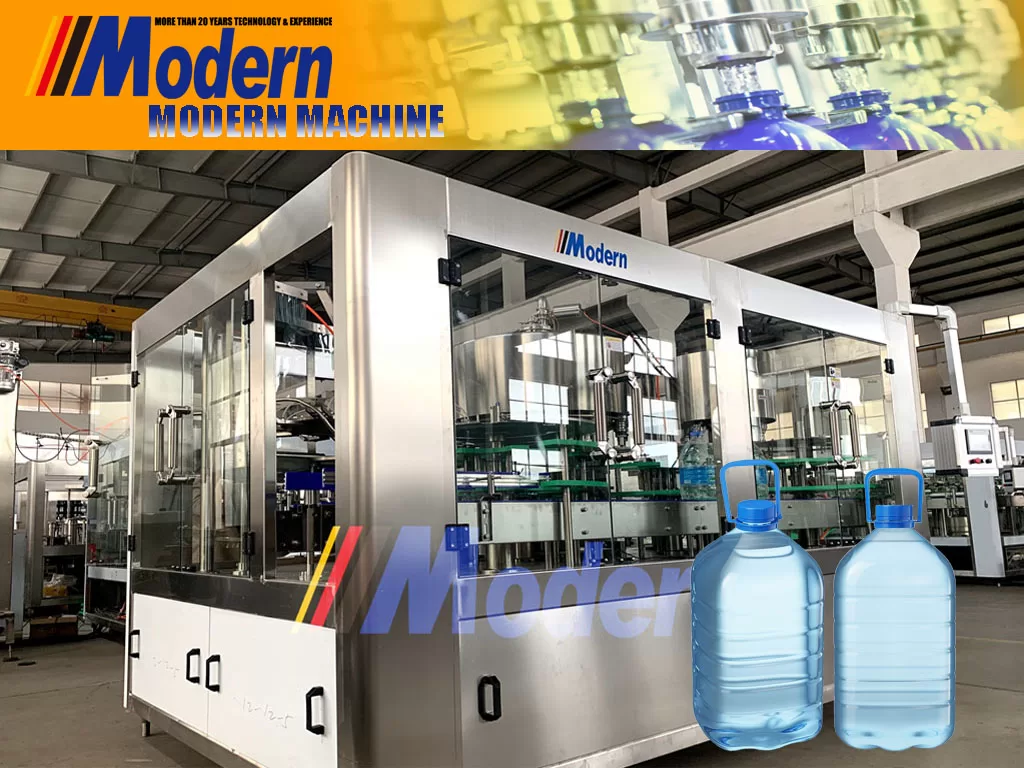
Una máquina llenadora de agua automática es un equipo sofisticado diseñado para agilizar el proceso de llenado de envases con agua. Estas máquinas se emplean normalmente en plantas embotelladoras, unidades de purificación de agua y diversas industrias de alimentos y bebidas. La función principal de estas máquinas es mejorar la productividad minimizando la intervención manual, garantizando un volumen de llenado constante y maximizando la eficiencia operativa.
¿Cómo funciona?
El funcionamiento de una máquina llenadora de agua automática generalmente se puede dividir en varias etapas clave:
- Preparación: La máquina comienza requiriendo agua limpia y purificada que se dirige al sistema de llenado.
- Detección de envases: La mayoría de los modelos avanzados cuentan con sensores para detectar si un envase está en su lugar para el llenado, evitando derrames y desperdicios.
- Proceso de llenado: El ciclo de llenado comienza, a menudo utilizando una combinación de flujo por gravedad y mecanismos de presión para dispensar agua en el envase a una velocidad predeterminada.
- Sellado: Después del llenado, la máquina puede estar equipada para tapar o sellar el envase, automatizando aún más el proceso.
- Control de calidad: Muchas máquinas incluyen medidas para inspeccionar los niveles de llenado y la integridad general de los envases sellados.
Beneficios de utilizar máquinas llenadoras de agua automáticas
Las ventajas de utilizar máquinas llenadoras de agua automáticas son múltiples. A continuación, se presentan algunos de los beneficios más significativos:
1. Mayor eficiencia
El principal atractivo de las máquinas llenadoras de agua automáticas es su capacidad para mejorar la eficiencia operativa. Al reducir la necesidad de mano de obra, las empresas pueden llenar y empaquetar grandes cantidades de agua en una fracción del tiempo que tomaría utilizando métodos tradicionales.
2. Precisión constante
Las máquinas automáticas están diseñadas para un llenado de precisión. Aseguran que cada envase reciba el volumen exacto de agua necesario, lo cual es fundamental para mantener la consistencia del producto y cumplir con las regulaciones de la industria.
3. Rentabilidad
Aunque la inversión inicial para una máquina llenadora de agua automática puede parecer considerable, los ahorros a largo plazo en costos laborales, reducción de desperdicios y aumento de la productividad pueden generar retornos sustanciales, lo que la convierte en una decisión financieramente sólida.
4. Higiene mejorada
Las máquinas llenadoras modernas están diseñadas priorizando la higiene. Minimizan el contacto humano durante el proceso de llenado, reduciendo el riesgo de contaminación. Además, muchas máquinas están fabricadas en acero inoxidable u otros materiales que son fáciles de limpiar y mantener.
5. Adaptabilidad y versatilidad
Estas máquinas pueden adaptarse a una variedad de tipos, tamaños y materiales de envases, incluyendo botellas de PET, frascos de vidrio y más. Esta flexibilidad permite a las empresas adaptarse a las cambiantes demandas del mercado sin tener que renovar sus líneas de llenado.
Tipos de máquinas llenadoras de agua automáticas
Existen diferentes tipos de máquinas llenadoras de agua automáticas adaptadas a diversas necesidades comerciales. Comprender estos tipos puede ayudar a las empresas a elegir la máquina adecuada para sus requisitos específicos:
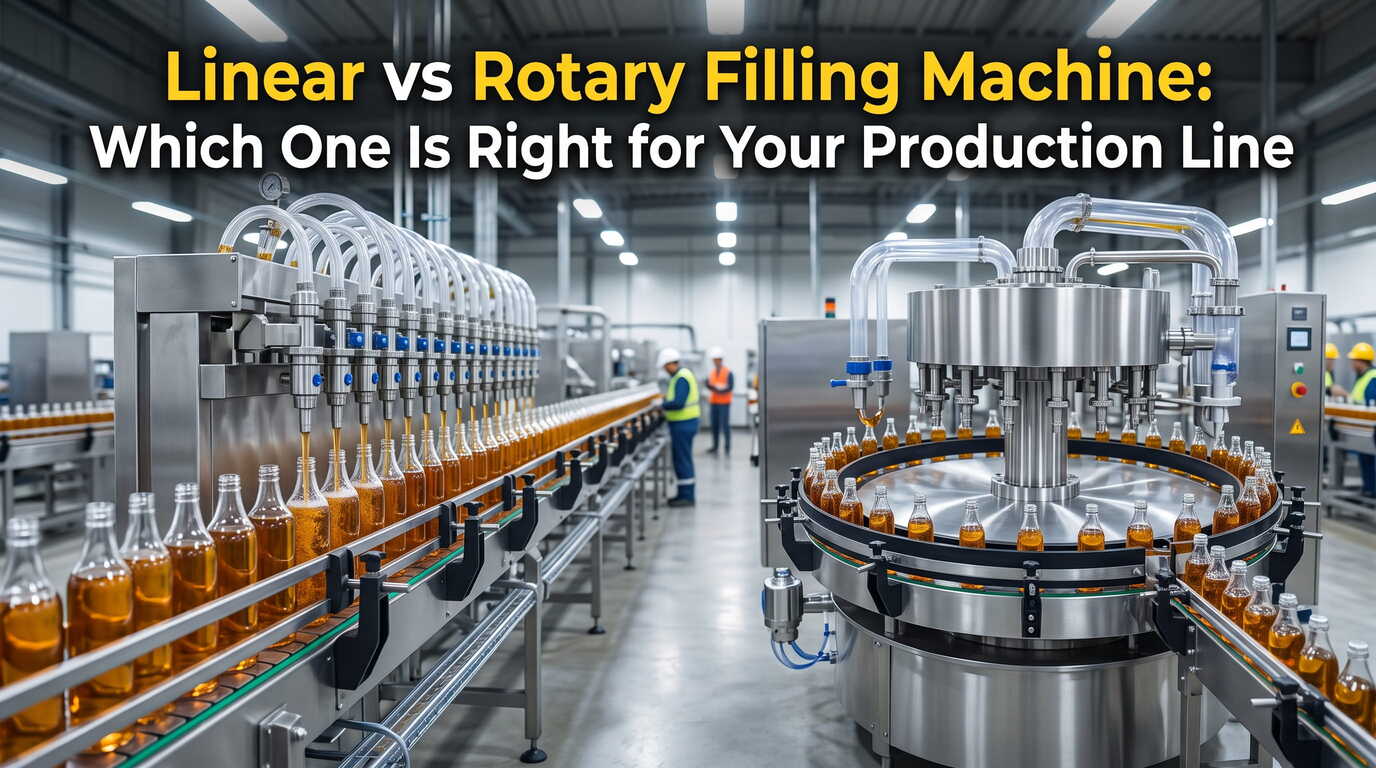
1. Máquinas de llenado por gravedad
Las máquinas llenadoras por gravedad funcionan sobre la base de la fuerza gravitacional, utilizándola para llenar los envases. Son opciones sencillas y de menor costo adecuadas para líquidos menos viscosos como el agua.
2. Máquinas llenadoras por bomba
Estas máquinas utilizan sistemas de bombeo para transferir agua desde un depósito a los envases. Las máquinas llenadoras por bomba son ideales para líquidos de mayor viscosidad y proporcionan niveles de llenado precisos, lo que las convierte en una buena opción para empresas que enfatizan la precisión.
3. Máquinas llenadoras a presión
Las máquinas llenadoras por presión empujan el agua hacia los envases bajo una presión controlada, un método que puede aumentar significativamente la velocidad y la eficiencia del llenado. Esta tecnología es especialmente beneficiosa para líneas de producción de alto volumen.
4. Máquinas llenadoras volumétricas
Las máquinas llenadoras volumétricas están diseñadas para llenar envases con un volumen determinado de líquido. A menudo utilizan un sistema de control electrónico para garantizar mediciones precisas, lo que las hace ideales para empresas que necesitan una precisión de llenado estricta.
5. Máquinas llenadoras por desbordamiento
Las máquinas llenadoras por desbordamiento llenan los envases hasta el tope y luego crean un ligero desbordamiento. Este método garantiza niveles de llenado uniformes y es particularmente eficaz para productos donde el volumen exacto no es crítico, pero la presentación sí lo es.
Consideraciones clave para elegir una máquina llenadora de agua automática
Al seleccionar una máquina llenadora de agua automática, las empresas deben considerar varios factores clave para asegurarse de realizar una inversión sólida:
1. Volumen de producción
Evalúe los volúmenes de producción esperados. Las máquinas de alta capacidad pueden llenar cientos de botellas por hora, mientras que las máquinas más pequeñas podrían ser suficientes para una menor demanda. Comprender sus necesidades de producción es esencial para seleccionar el equipo adecuado.
2. Especificaciones del envase
Considere los tipos de envases que utilizará. Asegúrese de que la máquina que seleccione pueda manejar varios tamaños y materiales sin comprometer el rendimiento.
3. Requisitos de espacio
Evalúe la distribución de su planta de producción. Las máquinas llenadoras automáticas vienen en diferentes tamaños, lo que requiere un espacio adecuado para su operación y mantenimiento. Elija una máquina que quepa cómodamente en su espacio disponible.
4. Presupuesto
Establezca un presupuesto que incluya tanto la compra de la máquina como los costos operativos continuos, como el mantenimiento y los servicios públicos.
5. Funciones de automatización
Las máquinas modernas vienen con varias funciones de automatización, incluyendo pantallas digitales, sistemas de limpieza automática e integración con líneas de envasado. Considere qué funciones son necesarias para sus operaciones a fin de minimizar la intervención manual.
Conclusión
Las máquinas llenadoras de agua automáticas representan un avance significativo en la industria de las bebidas. Su capacidad para mejorar la eficiencia de la producción, garantizar el control de calidad y reducir los costos laborales las convierte en una inversión esencial para las empresas que buscan prosperar en un mercado competitivo. Al comprender su funcionalidad, ventajas, tipos y criterios de selección, las empresas pueden tomar decisiones informadas que se alineen con sus objetivos operativos.
A medida que las industrias evolucionan, la necesidad de automatización seguirá creciendo. Invertir hoy en una máquina llenadora de agua automática puede sentar las bases para una mayor productividad, sostenibilidad y rentabilidad en el futuro.