
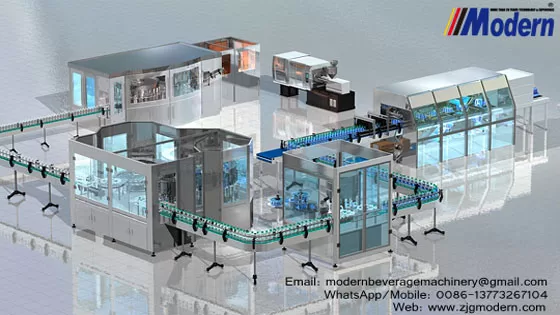
La demanda mundial de agua mineral embotellada se ha disparado en los últimos años, impulsada por una creciente conciencia sobre la salud entre los consumidores y la comodidad que ofrecen las bebidas embotelladas. A medida que las empresas se aventuran en este mercado en auge, comprender las complejidades del proceso de embotellado se vuelve primordial. Este artículo profundiza en los diversos aspectos de las líneas de embotellado para agua mineral, ofreciendo consejos prácticos, perspectivas e información clara para ayudar a las empresas a optimizar sus operaciones.
La importancia del embotellado de agua mineral
Las líneas de embotellado para agua mineral desempeñan un papel crucial en la calidad y seguridad del producto. El proceso abarca todo, desde el abastecimiento, el tratamiento y el embotellado hasta la distribución. El agua mineral embotellada no es solo una bebida; representa una elección de estilo de vida para muchos consumidores que buscan alternativas más saludables a las bebidas azucaradas. Por lo tanto, garantizar que el proceso de embotellado cumpla con los estándares más altos es esencial para mantener la integridad del producto.
Componentes clave de una línea de embotellado de agua mineral
Una línea de embotellado integral se compone de varios elementos que, en conjunto, garantizan una operación eficiente, la seguridad del producto y una calidad superior. A continuación, se presentan los elementos clave a considerar:
1. Fuente de agua
La fuente del agua mineral es fundamental para su calidad. Es esencial realizar evaluaciones exhaustivas para identificar fuentes sostenibles que proporcionen el contenido mineral deseado. Estas fuentes pueden incluir manantiales, acuíferos o agua de pozo, las cuales deben someterse a pruebas rigurosas de pureza y composición mineral.
2. Sistemas de tratamiento de agua
Antes del embotellado, el agua a menudo requiere tratamiento. Este proceso puede incluir filtración, esterilización UV y ozonización para eliminar contaminantes mientras se preservan los minerales beneficiosos. La tecnología moderna de tratamiento de agua tiene como objetivo mejorar la seguridad sin restar valor a las cualidades únicas del agua mineral.
3. Equipos de embotellado
La maquinaria de embotellado en sí es crucial para la eficiencia. Una línea de embotellado totalmente automatizada suele integrar los siguientes sistemas:
- Máquinas de llenado: Estos son responsables de llenar las botellas con agua de manera precisa. Se pueden utilizar diversas tecnologías, como el llenado por gravedad o el llenado por presión, dependiendo de la viscosidad y la naturaleza del agua.
- Máquinas tapadoras: Después del llenado, las botellas deben taparse de forma segura para evitar la contaminación. Las máquinas tapadoras garantizan una aplicación constante de tapas y etiquetas.
- Sistemas de etiquetado: Un etiquetado eficaz es vital para la marca y el cumplimiento normativo. Los sistemas de etiquetado automatizados pueden agilizar este proceso, asegurando que las etiquetas se apliquen de manera precisa y eficiente.
4. Procedimientos de control de calidad
La implementación de medidas de control de calidad es esencial durante todo el proceso de embotellado. Las pruebas periódicas para detectar contaminantes químicos y biológicos, así como el monitoreo para garantizar un contenido mineral y un sabor constantes, ayudan a mantener altos estándares de producto. Es recomendable mantener un registro detallado de todas las pruebas realizadas para garantizar el cumplimiento de las normativas de salud y seguridad pertinentes.
Cumplimiento normativo y estándares de la industria
En muchas regiones, el agua embotellada está sujeta a estrictas regulaciones establecidas por organismos gubernamentales. El cumplimiento de estas regulaciones no es negociable e incluye:
- Regulaciones de salud y seguridad: Asegúrese de que los procesos de embotellado cumplan con los estándares nacionales de seguridad alimentaria, saneamiento y salud de los empleados.
- Requisitos de etiquetado: Siga las pautas para el contenido de la etiqueta, incluida la composición mineral, la información de la fuente y las fechas de caducidad.
- Regulaciones ambientales: Evalúe el impacto ambiental de las prácticas de abastecimiento y embotellado, asegurando el cumplimiento de las leyes de conservación locales.
Elección del equipo de línea de embotellado adecuado
Al seleccionar equipos para una línea de embotellado de agua mineral, se deben tener en cuenta varios factores:
1. Capacidad de producción
Comprender sus necesidades de producción es crucial. Ya sea que sea un productor a pequeña escala o que apunte a una mayor producción, seleccionar la maquinaria adecuada que se alinee con sus objetivos de producción mejorará la eficiencia operativa.
2. Análisis de costo-beneficio
Más allá de la inversión inicial, considere los costos operativos a largo plazo. La durabilidad del equipo, los requisitos de mantenimiento y la eficiencia energética deben ser factores en su proceso de toma de decisiones. Equilibrar la calidad con el costo ayudará a determinar la mejor inversión posible.
3. Escalabilidad
A medida que crece la demanda, su línea de embotellado debe ser capaz de adaptarse. Invierta en sistemas modulares que permitan una futura expansión sin necesidad de reemplazar completamente el equipo existente.
Gestión eficiente de la cadena de suministro
La eficiencia de su línea de embotellado también está estrechamente ligada a la gestión general de su cadena de suministro. Varias estrategias pueden mejorar esto:
1. Relaciones con los proveedores
Desarrolle relaciones sólidas con los proveedores de materias primas, equipos y envases. Esto puede conducir a mejores precios, confiabilidad y comunicación, lo que en última instancia mejora la eficiencia de sus operaciones de embotellado.
2. Optimización logística
La racionalización de la logística de distribución es crucial para garantizar que su producto llegue a los consumidores de manera rápida e intacta. Invertir en un transporte confiable y optimizar las rutas puede reducir significativamente los retrasos y los costos.
3. Gestión de inventario
La implementación de sistemas sólidos de gestión de inventario puede ayudar a monitorear los niveles de existencias, gestionar los suministros y reducir el desperdicio. Esto es particularmente importante para un producto perecedero como el agua mineral embotellada, donde la frescura es primordial.
Comercialización de agua mineral embotellada
Una vez que su agua mineral esté lista para el mercado, las estrategias de marketing eficaces son cruciales. Aquí hay algunas recomendaciones a considerar:
1. Branding auténtico
Aproveche las cualidades naturales de su fuente de agua mineral en su branding. Destacar minerales específicos, la pureza y el entorno natural de su fuente de agua puede crear una narrativa de marketing sólida.
2. Prácticas ecológicas
A medida que aumenta la demanda de los consumidores por productos ecológicos, adoptar envases y prácticas de producción sostenibles puede mejorar significativamente la imagen de su marca. Destacar estas prácticas en su marketing puede atraer a consumidores conscientes del medio ambiente.
3. Publicidad dirigida
Utilice la publicidad digital y las redes sociales para llegar a su público objetivo de manera efectiva. Adaptar sus campañas para atraer estilos de vida activos y conscientes de la salud puede mejorar aún más el compromiso con la marca.
Conclusión
En resumen, establecer una línea de embotellado exitosa para agua mineral requiere un enfoque multifacético que abarque el abastecimiento, el procesamiento, el control de calidad, el cumplimiento normativo, la gestión eficaz de la cadena de suministro y un marketing impactante. Al centrarse en estas dimensiones, las empresas pueden crear una operación de embotellado sólida que no solo satisfaga las demandas de los consumidores, sino que también destaque en un mercado competitivo.
Con una planificación cuidadosa, inversión en tecnología moderna y un compromiso con la calidad, su línea de embotellado puede prosperar, lo que en última instancia conducirá a una marca de renombre en la industria del agua mineral embotellada, que está en constante crecimiento.


