
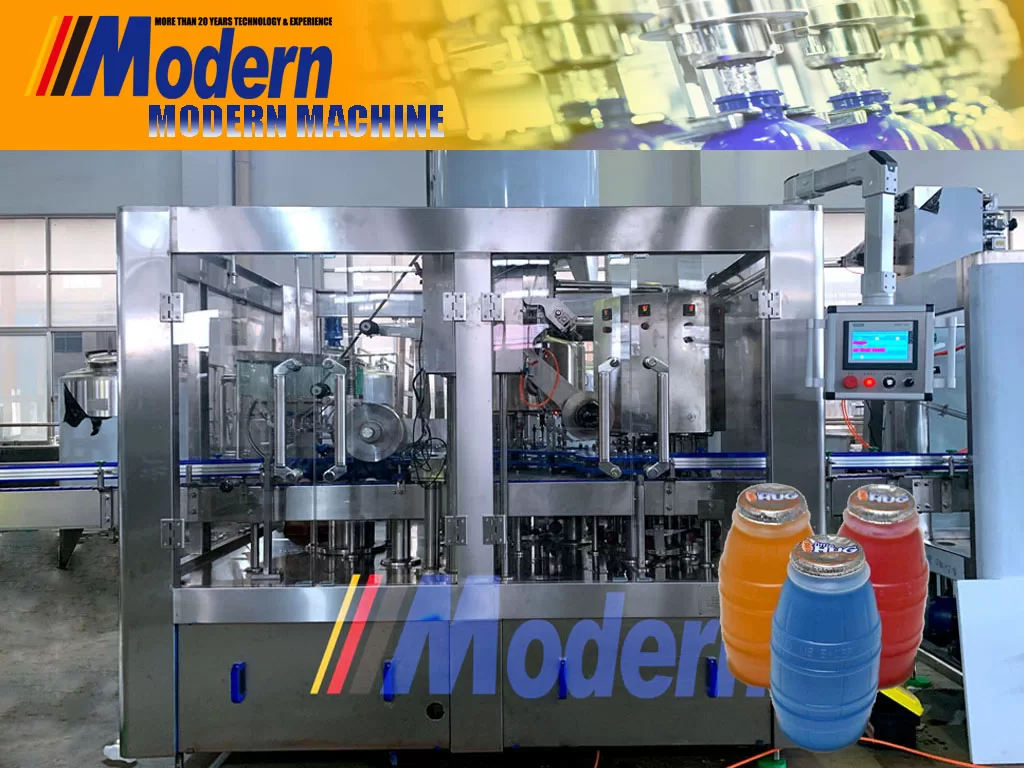
En la industria láctea, el proceso de embotellado es un componente crítico que determina la calidad, la seguridad y la vida útil de los productos lácteos. A medida que la demanda de los consumidores de leche fresca y de alta calidad sigue aumentando, no se puede subestimar la importancia de contar con equipos de embotellado de leche eficientes y fiables. Este artículo profundiza en los diversos tipos de equipos de embotellado de leche, el proceso de embotellado, las innovaciones tecnológicas y las mejores prácticas para garantizar un rendimiento y una calidad óptimos.
Comprensión de los equipos de embotellado de leche
Los equipos de embotellado de leche abarcan una gama de máquinas y tecnologías diseñadas para envasar leche de forma segura y eficiente. El objetivo principal de estos equipos es preservar la calidad de la leche y garantizar que se envasa de una manera conveniente para los consumidores. Los componentes clave de los equipos de embotellado de leche incluyen:
1. Pasteurizadores de leche
Antes del embotellado, la leche debe pasteurizarse para eliminar las bacterias nocivas. Los pasteurizadores calientan la leche a una temperatura específica durante un período predeterminado, garantizando su seguridad para el consumo. Los pasteurizadores modernos suelen estar equipados con sistemas avanzados de control de temperatura que garantizan precisión y eficiencia.
2. Máquinas de llenado
Las máquinas llenadoras están diseñadas para dispensar leche en botellas con precisión. Estas máquinas se pueden clasificar en varios tipos, incluyendo máquinas llenadoras volumétricas, gravimétricas y de pistón. La elección de la máquina llenadora depende de factores como la velocidad de producción, el tamaño de la botella y el nivel de precisión deseado.
3. Máquinas tapadoras
Después del llenado, las botellas deben sellarse para mantener la frescura y evitar la contaminación. Las máquinas tapadoras automatizan este proceso, asegurando que las tapas se apliquen de forma segura y consistente. Existen varios tipos de máquinas tapadoras, incluyendo tapadoras de rosca, tapadoras a presión y selladoras por inducción, cada una adecuada para diferentes tipos de envases.
4. Máquinas etiquetadoras
El etiquetado es un paso crucial en el proceso de embotellado, ya que proporciona información esencial a los consumidores. Las máquinas etiquetadoras aplican etiquetas a las botellas de manera precisa y eficiente. Algunas máquinas están equipadas con tecnología avanzada que permite la impresión de datos variables, lo que permite a los fabricantes personalizar las etiquetas para diferentes productos.
5. Sistemas de control de calidad
El control de calidad es primordial en la industria láctea. Los sistemas automatizados de control de calidad supervisan diversos parámetros a lo largo del proceso de embotellado, garantizando que el producto final cumpla con las normas de seguridad y calidad. Estos sistemas pueden incluir sensores, cámaras y software que analizan los datos en tiempo real.
El proceso de embotellado: paso a paso
El proceso de embotellado implica varios pasos clave, cada uno de los cuales desempeña un papel vital para garantizar la calidad y la seguridad de los productos lácteos. A continuación, se ofrece una visión detallada del proceso de embotellado típico:
1. Recepción y análisis de la leche
El proceso comienza con la recepción de leche cruda de las granjas lecheras. Al llegar a la planta de procesamiento, la leche se somete a rigurosas pruebas de calidad y seguridad. Esto incluye la comprobación de contaminantes, niveles de bacterias y composición general.
2. Pasteurización
Una vez que la leche supera las pruebas de calidad, se somete a pasteurización. Este proceso no solo garantiza la seguridad, sino que también prolonga la vida útil del producto. A continuación, la leche pasteurizada se enfría rápidamente para preservar su calidad antes de pasar a la etapa de embotellado.
3. Homogeneización
La homogeneización es el siguiente paso, donde la leche se procesa para descomponer los glóbulos de grasa, evitando la separación de la nata. Esto garantiza una textura y un sabor consistentes en todo el producto. La homogeneización se realiza normalmente mediante homogeneizadores de alta presión.
4. Llenado y tapado
Después de la homogeneización, la leche está lista para el embotellado. Las máquinas llenadoras dispensan la leche en botellas previamente limpiadas y esterilizadas. A continuación, las máquinas tapadoras sellan las botellas de forma segura, garantizando que sean herméticas para mantener la frescura.
5. Etiquetado y envasado
Una vez llenas y tapadas, las botellas se etiquetan con información esencial, incluidos los datos nutricionales, las fechas de caducidad y los números de lote. Después del etiquetado, las botellas se empaquetan para su distribución, garantizando que estén protegidas durante el transporte.
Innovaciones en la tecnología de embotellado de leche
La industria del embotellado de leche ha sido testigo de importantes avances tecnológicos que mejoran la eficiencia, la seguridad y la sostenibilidad. Estas son algunas innovaciones notables:
1. Sistemas de embotellado inteligentes
Los sistemas de embotellado inteligentes utilizan tecnología IoT (Internet de las cosas) para supervisar y optimizar el proceso de embotellado. Estos sistemas pueden proporcionar análisis de datos en tiempo real, lo que permite a los fabricantes tomar decisiones informadas para mejorar la eficiencia y reducir los residuos.


