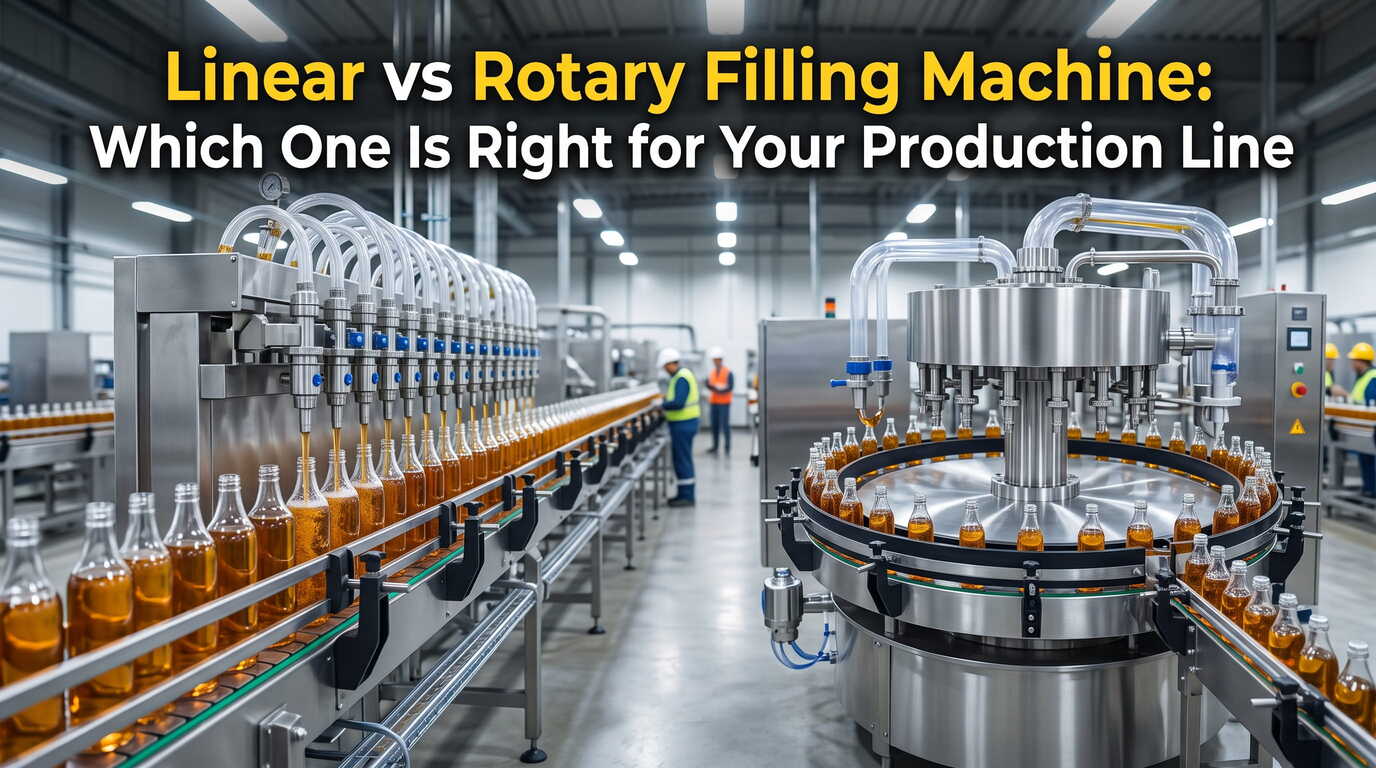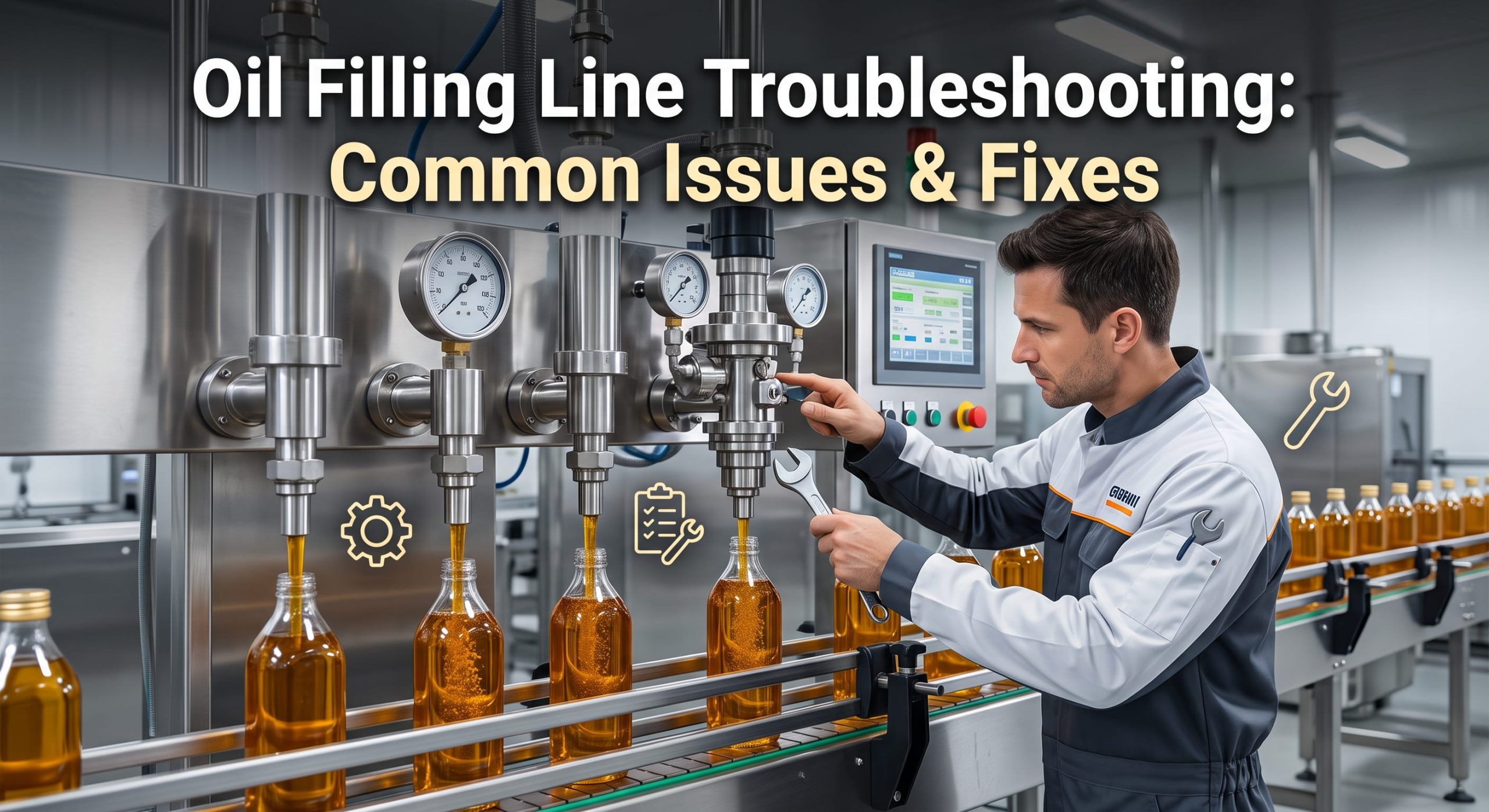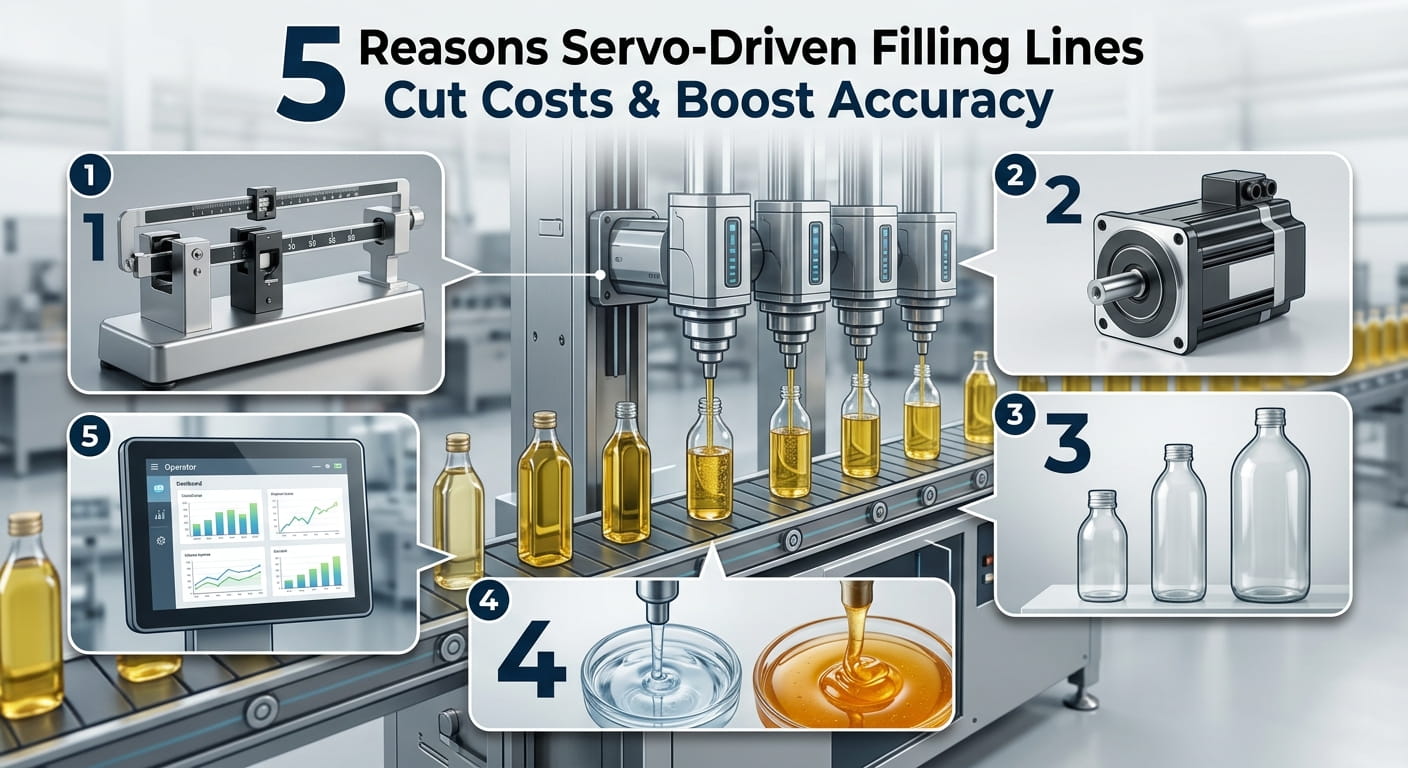
En el panorama de la fabricación en rápida evolución, las máquinas de líneas de llenado se han convertido en componentes críticos para optimizar la eficiencia de la producción y garantizar la calidad del producto. A medida que las industrias se esfuerzan por satisfacer una mayor demanda manteniendo la rentabilidad, comprender las complejidades de las máquinas de líneas de llenado se vuelve primordial. Este artículo profundizará en los fundamentos, tipos, beneficios y consideraciones operativas de estas máquinas, proporcionando información que puede ser invaluable para los fabricantes que buscan mejorar sus líneas de producción.
Comprender las máquinas de líneas de llenado
Las máquinas de líneas de llenado son equipos especializados diseñados para dispensar cantidades medidas de líquidos, polvos o sustancias granuladas en diversos recipientes, como botellas, frascos, bolsas o latas. Sus funcionalidades van desde dispositivos manuales simples hasta sistemas automatizados sofisticados adaptados para la producción de alta velocidad. Estas máquinas se utilizan en múltiples sectores, incluidos el de alimentos y bebidas, farmacéutico, cosmético y químico, cada uno de los cuales requiere especificaciones y estándares únicos.
Los componentes esenciales de las máquinas de líneas de llenado
La mayoría de las máquinas de líneas de llenado comparten componentes comunes que facilitan procesos de llenado precisos, que incluyen:
- Tolvas: Estos recipientes contienen el producto antes de ser dispensado. Pueden variar en tamaño según las necesidades de producción.
- Bombas y válvulas: Esenciales para mover el producto desde la tolva hasta la boquilla dispensadora, estos componentes ayudan a garantizar un flujo uniforme y evitar derrames.
- Cabezales de llenado: La parte de la máquina que entrega el producto a los recipientes. Se utilizan diferentes tipos de cabezales de llenado según la viscosidad del producto.
- Mecanismos de recipientes y tapado: Dispositivos que sujetan el envase durante los procesos de llenado y sellado. Estos deben ser compatibles con el producto y estar diseñados para evitar la contaminación.
Tipos de máquinas de líneas de llenado
Las máquinas de líneas de llenado se pueden clasificar según varios criterios, incluido el producto que se está llenando, el mecanismo de llenado y el nivel de automatización. Aquí hay una descripción general de los tipos principales:
1. Por tipo de producto
Las máquinas de líneas de llenado pueden llenar una amplia gama de productos, cada uno de los cuales requiere maquinaria diferente:
- Líquidos: Utilizadas para bebidas, aceites y solventes, las máquinas de llenado de líquidos suelen emplear sistemas basados en bombas o gravedad.
- Polvo: Diseñadas para productos secos como harina, azúcar y condimentos. Estas máquinas deben evitar el polvo y mantener la precisión en el peso.
- Gránulos: Adecuadas para productos como granos y pellets, estas máquinas varían en diseño para adaptarse a diferentes tamaños de gránulos y propiedades de flujo.
2. Por mecanismo de llenado
El mecanismo utilizado para el llenado puede afectar significativamente la eficiencia y precisión del proceso:
- Llenadoras por gravedad: Basadas en la gravedad, son adecuadas para líquidos poco viscosos y se encuentran entre los tipos más sencillos de operar.
- Llenadoras de pistón: Utilizando un mecanismo accionado por pistón, estas máquinas son ideales para líquidos más espesos y semisólidos.
- Llenadoras al vacío: Perfectas para líquidos de baja viscosidad que deben llenarse sin formar burbujas de aire.
3. Por nivel de automatización
Los niveles de automatización pueden variar ampliamente, y seleccionar el tipo correcto es crucial según su volumen de producción:
- Llenadoras manuales: Ideales para pequeñas operaciones, estas máquinas requieren intervención humana para cada ciclo de llenado.
- Llenadoras semiautomáticas: Una combinación de características manuales y automáticas, estas máquinas reducen la mano de obra sin dejar de requerir cierta supervisión humana.
- Llenadoras totalmente automáticas: Estos sistemas pueden operar de forma independiente, capaces de manejar grandes volúmenes con alta precisión y velocidad.
Beneficios de implementar máquinas de líneas de llenado
Invertir en máquinas de líneas de llenado ofrece numerosas ventajas que pueden revolucionar un proceso de fabricación:
1. Mayor eficiencia
Al automatizar el proceso de llenado, los fabricantes pueden reducir significativamente el tiempo necesario para producir cada unidad. Estas máquinas pueden operar a altas velocidades, asegurando que se cumplan los objetivos de producción sin comprometer la calidad.
2. Precisión mejorada
La precisión es primordial en las aplicaciones de llenado. Las máquinas de líneas de llenado modernas están equipadas con tecnologías avanzadas que pueden lograr mediciones precisas, reduciendo así el desperdicio de producto y los problemas de cumplimiento normativo.
3. Control de calidad mejorado
Las máquinas de líneas de llenado contribuyen a un mejor control de calidad al minimizar el riesgo de error humano. Los sistemas automatizados pueden cumplir sistemáticamente con los protocolos establecidos, asegurando que cada producto cumpla con los estándares requeridos.
Consideraciones clave al elegir una máquina de línea de llenado
La selección de la máquina de línea de llenado adecuada implica evaluar varios factores críticos:
1. Características del producto
Comprenda las propiedades del producto que está llenando. La viscosidad, el tamaño de las partículas y el comportamiento del flujo pueden determinar el tipo de máquina de llenado necesaria. Por ejemplo, un producto de alta viscosidad requerirá una llenadora de pistón.
2. Volumen de producción
Sus objetivos de producción influirán en la decisión. Evalúe si una máquina manual, semiautomática o totalmente automática es la más adecuada según su producción esperada.
3. Espacio y diseño
Evalúe el espacio disponible en sus instalaciones. Las máquinas de líneas de llenado vienen en varios tamaños, y asegurar un ajuste adecuado es esencial para operaciones fluidas. Además, considere el diseño general para evitar cuellos de botella en la línea de producción.
4. Requisitos de mantenimiento
El mantenimiento regular es crucial para evitar tiempos de inactividad. Examine los requisitos de mantenimiento de la máquina y la disponibilidad de repuestos para evaluar los costos operativos a largo plazo.
Mejores prácticas para operar máquinas de líneas de llenado
<pPara garantizar un rendimiento óptimo, considere las siguientes mejores prácticas:
1. Calibración regular
Calibrar la máquina regularmente ayuda a mantener la precisión. Implemente un cronograma que permita realizar comprobaciones rutinarias para garantizar que la producción se mantenga dentro de los niveles de tolerancia deseados.
2. Capacitación del personal
Invierta tiempo en capacitar a su personal. El personal bien capacitado podrá operar el equipo de manera eficiente, solucionar problemas y realizar reparaciones menores, una necesidad para mantener el flujo de producción.
3. Mantenimiento rutinario
Establezca una rutina de mantenimiento que incluya la limpieza, lubricación e inspección de las piezas de la máquina. Esto evitará que los problemas menores se conviertan en reparaciones costosas o paradas de producción.
El futuro de las máquinas de líneas de llenado
A medida que la tecnología avanza, las máquinas de líneas de llenado seguirán evolucionando, adoptando innovaciones como la conectividad IoT (Internet de las cosas), el análisis basado en IA y capacidades de automatización mejoradas. Los fabricantes que se mantengan al tanto de estas tendencias no solo optimizarán sus operaciones, sino que también obtendrán una ventaja competitiva en un mercado cada vez más desafiante.
Conclusión
Las máquinas de líneas de llenado representan una piedra angular de las prácticas de fabricación modernas. Con una comprensión de sus tipos, funciones y beneficios, los fabricantes pueden tomar decisiones informadas que conduzcan a una mayor eficiencia, una reducción de residuos y una mejor calidad del producto. Al centrarse en las mejores prácticas y estar atentos a las tendencias emergentes, las empresas pueden posicionarse para el éxito en un panorama cada vez más impulsado por la innovación y la tecnología.