
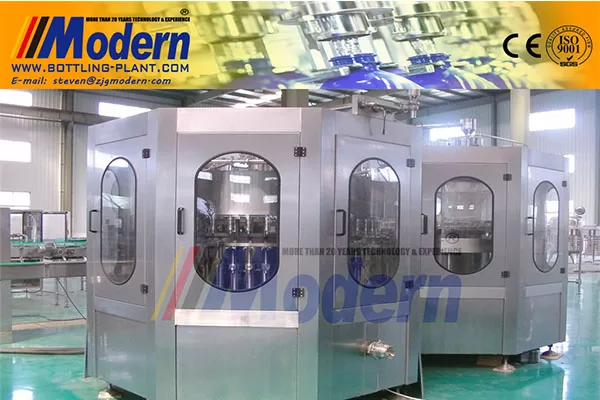
En el dinámico mundo de la fabricación, la eficiencia, la precisión y la calidad son fundamentales. Los equipos para líneas de llenado de botellas son una piedra angular en este panorama, siendo fundamentales en diversas industrias como la de alimentos y bebidas, farmacéutica y cosmética. Este artículo tiene como objetivo proporcionar una comprensión integral de los equipos para líneas de llenado de botellas, sus componentes, tipos, aplicaciones y las mejores prácticas para optimizar su rendimiento.
Comprensión de las líneas de llenado de botellas
Las líneas de llenado de botellas son sistemas automatizados diseñados para el envasado eficiente de líquidos en botellas. Estas líneas integran diversas máquinas que trabajan en conjunto para garantizar un proceso de producción fluido. El objetivo fundamental de estos sistemas es aumentar la velocidad, reducir el error humano y mantener la integridad del producto durante las fases de llenado y envasado.
La importancia de los equipos para líneas de llenado de botellas
En un mercado caracterizado por consumidores que priorizan la calidad y la comodidad, no se puede pasar por alto el papel de los equipos para líneas de llenado de botellas. Estos son algunos de sus beneficios clave:
- Mayor eficiencia: Las líneas de llenado automatizadas aumentan significativamente la velocidad de producción al reducir el tiempo necesario para el llenado en comparación con los procesos manuales.
- Consistencia y precisión: Estos sistemas garantizan niveles de llenado consistentes, minimizando las discrepancias que pueden provocar desperdicios o problemas normativos.
- Seguridad mejorada: La automatización reduce la exposición de los trabajadores a materiales potencialmente peligrosos, especialmente en industrias como la farmacéutica y la química.
- Flexibilidad: Los equipos modernos a menudo pueden manejar múltiples tamaños y tipos de botellas, adaptándose a diversas líneas de productos sin necesidad de una reconfiguración extensa.
Componentes de los equipos para líneas de llenado de botellas
La eficiencia de una línea de llenado de botellas se atribuye a sus diversos componentes, cada uno de los cuales cumple un propósito distinto. Comprender estos componentes permite a los fabricantes tomar decisiones informadas con respecto a la elección de equipos y el diseño de la distribución.
Llenadoras
El corazón de la línea de llenado de botellas, las máquinas llenadoras, vienen en varios tipos, que incluyen:
- Llenadoras por gravedad: Estas máquinas utilizan la gravedad para llenar botellas y son ideales para líquidos poco viscosos.
- Llenadoras de pistón: Se utilizan para líquidos más espesos, donde se requiere un volumen específico para cada llenado.
- Llenadoras al vacío: Funcionan según el principio de vacío y son adecuadas para productos sensibles que necesitan evitar la formación de espuma.
Elegir el tipo correcto de máquina llenadora es crucial, ya que afecta directamente la velocidad de producción y la calidad del producto.
Máquinas taponadoras
Una vez que las botellas están llenas, deben taparse de forma segura. Las máquinas tapadoras pueden ser automatizadas o semiautomatizadas y, por lo general, manejan diferentes tipos de tapas, como tapas de rosca, tapas a presión y corchos. Garantizar un sellado adecuado es vital para evitar la contaminación y las fugas.
Máquinas de etiquetado
Las máquinas etiquetadoras aplican información del producto a las botellas. El etiquetado preciso no solo es un requisito normativo, sino también crucial para la identidad de la marca y la confianza del consumidor. Estas máquinas pueden aplicar etiquetas a altas velocidades y son ajustables para adaptarse a varios tamaños de botellas.
Sistemas de transporte
Los sistemas de transporte (cintas transportadoras) trasladan las botellas entre las diferentes etapas de la línea de llenado. Minimizan la manipulación y mejoran la eficiencia del flujo de trabajo. Los sistemas de transporte modernos pueden incluir características como control de velocidad y alturas ajustables para adaptarse a diseños de producción específicos.
Sistemas de control de calidad
La integración de sistemas de control de calidad garantiza que los productos cumplan con los estándares establecidos. Estos sistemas pueden incluir sensores para verificar los niveles de llenado, la estanqueidad de la tapa y la colocación de la etiqueta. Al incorporar el control de calidad, los fabricantes pueden reducir significativamente la probabilidad de que lleguen productos defectuosos a los consumidores.
Tipos de líneas de llenado de botellas
Las líneas de llenado de botellas pueden variar mucho según la aplicación y la escala de producción. Seleccionar el tipo adecuado es fundamental para maximizar la eficiencia y cumplir con los estándares de la industria.
Líneas de llenado automáticas
Las líneas de llenado automáticas están diseñadas para la producción de gran volumen. Requieren una intervención humana mínima y, a menudo, cuentan con tecnologías sofisticadas para una mayor precisión y velocidad. Ideales para grandes fabricantes, estas líneas pueden procesar miles de botellas por hora.
Líneas de llenado semiautomáticas
Si bien estas líneas ofrecen cierto grado de automatización, aún requieren operadores humanos para realizar ciertas tareas, como cargar las botellas. Las líneas semiautomáticas suelen ser preferidas por pequeñas y medianas empresas que quizás no tengan el presupuesto para sistemas totalmente automatizados.
Líneas de llenado manuales
Para la producción a pequeña escala o empresas emergentes, las líneas de llenado manuales pueden ser una solución rentable. Aunque requieren mucha mano de obra, estas líneas son sencillas y requieren una inversión mínima. Sin embargo, pueden tener dificultades para satisfacer la demanda a medida que aumenta la producción.
Aplicaciones de los equipos para líneas de llenado de botellas
Los equipos para líneas de llenado de botellas son versátiles y aplicables en diversas industrias. Estas son algunas aplicaciones importantes:
Industria de alimentos y bebidas
En este sector, las líneas de llenado se utilizan para productos que van desde agua y jugos hasta salsas y condimentos. Mantener la higiene y cumplir con regulaciones estrictas es crucial. Los equipos en esta industria a menudo están diseñados para facilitar la limpieza y la desinfección.
Industria farmacéutica
Las empresas farmacéuticas dependen de la precisión y el cumplimiento de normativas estrictas. Los equipos deben mantener condiciones estériles durante el proceso de llenado para evitar la contaminación. Los sistemas a menudo incorporan medidas avanzadas de control de calidad.
Industria cosmética
La industria cosmética se beneficia de los equipos de línea de llenado al garantizar que los productos se llenen con precisión y se presenten de manera atractiva a los consumidores. Estas líneas a menudo cuentan con equipos especializados para manejar diversas formas y tamaños de envases sin comprometer la integridad del producto.
Mejores prácticas para maximizar la eficiencia
Para optimizar el rendimiento de la línea de llenado de botellas, se deben considerar varias mejores prácticas:
Mantenimiento regular
La implementación de un programa de mantenimiento estricto garantiza que el equipo funcione de manera eficiente y reduce la probabilidad de averías. Las revisiones periódicas de los componentes críticos pueden ahorrar tiempo y costes asociados a las reparaciones.
Formación y desarrollo
Asegúrese de que los operarios estén adecuadamente formados para manejar el equipo. Un personal con conocimientos puede identificar problemas a tiempo y mejorar la eficiencia general de la línea de producción.
Invertir en tecnología
Manténgase al tanto de los avances tecnológicos en los equipos de llenado de botellas. La tecnología que mejora la automatización, la recopilación de datos o el aprendizaje automático puede mejorar significativamente la eficiencia y la calidad de las líneas de producción.
Análisis de datos
La utilización de análisis de datos para supervisar el rendimiento de la producción puede proporcionar información sobre las áreas que necesitan mejoras. El seguimiento de métricas como las tasas de llenado, el tiempo de inactividad y la calibración ayuda a identificar tendencias y a optimizar las operaciones generales.
Conclusión
En resumen, los equipos de líneas de llenado de botellas son un aspecto fundamental de los procesos de fabricación modernos en numerosas industrias. Comprender sus componentes, variaciones, aplicaciones y mejores prácticas puede permitir a las empresas tomar decisiones informadas que mejoren la eficiencia, la calidad y la satisfacción del cliente. A medida que aumenta la demanda de una producción rápida y fiable, invertir en equipos de líneas de llenado de botellas de alta calidad seguirá siendo imperativo para mantener una ventaja competitiva.


