
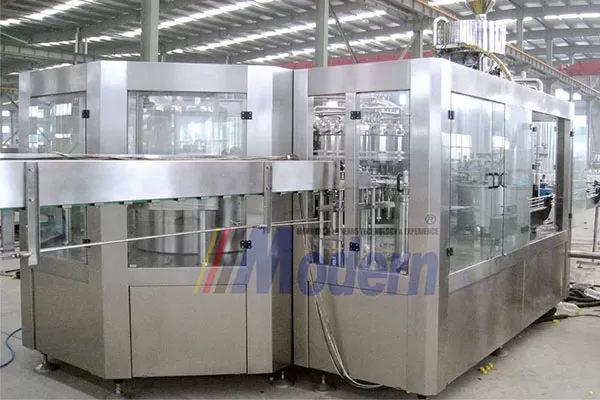
En el acelerado mundo actual, la demanda de soluciones eficientes y fiables en el envasado y embotellado nunca ha sido tan crítica. Las máquinas llenadoras de botellas de agua se han convertido en herramientas indispensables en diversas industrias, desde la producción de bebidas hasta los servicios de alimentación. Este artículo ofrece una visión general completa de las máquinas llenadoras de botellas de agua, explorando sus tipos, características, principios de funcionamiento, ventajas y consideraciones prácticas para aquellos que buscan invertir en esta tecnología.
Entendiendo las máquinas llenadoras de botellas de agua
Las máquinas llenadoras de botellas de agua son equipos especializados diseñados para automatizar el proceso de llenado de agua en botellas para su venta al por menor, distribución o consumo directo. Utilizadas habitualmente en plantas embotelladoras, fábricas y cocinas comerciales, estas máquinas son capaces de procesar grandes volúmenes de productos de forma rápida y eficiente.
Estas máquinas están equipadas con tecnología que agiliza el proceso de llenado, garantizando al mismo tiempo precisión y consistencia en el volumen. Dependiendo de las necesidades de producción, las empresas pueden elegir entre varios tipos, que incluyen llenadoras por gravedad, llenadoras a presión, llenadoras al vacío y máquinas de llenado aséptico.
Tipos de máquinas llenadoras de botellas de agua
1. Llenadoras por gravedad
Las llenadoras por gravedad dependen de la fuerza de la gravedad para llenar las botellas. Suelen ser las más adecuadas para líquidos de viscosidad media y se caracterizan por su sencillez y bajos requisitos de mantenimiento. Las llenadoras por gravedad se utilizan habitualmente en operaciones a pequeña escala y son ideales para el embotellado de manantiales naturales y agua mineral.
2. Llenadoras a presión
Las llenadoras a presión utilizan presión para dispensar líquido en las botellas. Este método es especialmente eficaz para bebidas carbonatadas, ya que permite un control preciso de la cantidad de líquido llenado a la vez que minimiza la formación de espuma. Las llenadoras a presión pueden manejar varios tipos de envases y son especialmente ventajosas para tiradas de producción de gran volumen.
3. Llenadoras al vacío
Las máquinas de llenado al vacío funcionan creando un vacío en la botella, lo que permite que el líquido sea succionado hacia adentro. Este método es beneficioso para garantizar que las botellas se llenen hasta el nivel deseado sin la introducción de aire, lo que puede provocar el deterioro del producto. El llenado al vacío se emplea a menudo en la industria de alimentos y bebidas para productos que requieren altos estándares de pureza.
4. Máquinas de llenado aséptico
Las máquinas de llenado aséptico mantienen un entorno estéril, lo que las hace cruciales para productos con una vida útil limitada. Este proceso implica esterilizar tanto el líquido como los envases antes del llenado, evitando la contaminación y prolongando la viabilidad del producto. La tecnología aséptica se utiliza ampliamente para zumos, leche y otras bebidas sensibles.
Características clave a considerar
Al seleccionar una máquina llenadora de botellas de agua, se deben tener en cuenta varios factores críticos para garantizar que el equipo satisfaga las necesidades operativas:
1. Capacidad de producción
Evalúe la velocidad de llenado y la capacidad de producción de la máquina. Considere el volumen esperado de botellas a llenar diariamente y elija una máquina que se ajuste a los requisitos de nivel de producción.
2. Compatibilidad de botellas
Diferentes máquinas están diseñadas para tamaños y formas de botellas específicos. Asegúrese de que la máquina llenadora elegida sea compatible con las botellas utilizadas en su operación para evitar costes y complejidades adicionales.
3. Nivel de automatización
El nivel de automatización puede influir enormemente en la eficiencia operativa. Las máquinas totalmente automatizadas pueden reducir significativamente los costes laborales y mejorar la velocidad de producción, mientras que las unidades semiautomáticas ofrecen flexibilidad para operaciones más pequeñas.
4. Estándares de higiene
La higiene es primordial, especialmente en la industria de bebidas. Busque máquinas que cumplan con los estándares internacionales de higiene y que tengan componentes fáciles de limpiar para minimizar el riesgo de contaminación.
5. Mantenimiento y soporte
Investigue los requisitos de mantenimiento de la máquina elegida. Opte por un modelo que sea fácil de mantener y que cuente con el respaldo de un soporte técnico fiable para minimizar el tiempo de inactividad y garantizar operaciones fluidas.
Ventajas de utilizar máquinas llenadoras de botellas de agua
La integración de máquinas llenadoras de botellas de agua en las líneas de producción ofrece numerosas ventajas:
1. Mayor eficiencia
Automatizar el proceso de llenado conduce a tasas de producción más rápidas, lo cual es crucial para satisfacer la demanda del consumidor. Los operadores pueden centrarse en otras tareas esenciales mientras la máquina se encarga del llenado.
2. Precisión mejorada
Las máquinas llenadoras modernas cuentan con tecnología avanzada que garantiza que cada botella se llene con la cantidad exacta de líquido. Esta precisión ayuda a mantener la consistencia del producto y reduce el desperdicio.
3. Ahorro en costes laborales
Con soluciones de llenado automatizadas, las organizaciones pueden operar con menos personal, reduciendo sustancialmente los costes laborales a largo plazo mientras mejoran la productividad de la fuerza laboral.
4. Calidad del producto mejorada
Un proceso de llenado optimizado mitiga el riesgo de contaminación, preservando la calidad y seguridad del agua embotellada. Los sistemas automatizados también permiten un mejor control sobre las temperaturas y presiones de llenado, protegiendo aún más el producto.
5. Escalabilidad
A medida que las empresas crecen, requieren capacidades de producción más extensas. Las máquinas llenadoras de botellas de agua pueden actualizarse o ajustarse para adaptarse a una mayor producción sin una inversión adicional significativa.
Consideraciones prácticas para la inversión
Invertir en una máquina llenadora de botellas de agua requiere una planificación cuidadosa y una evaluación de varios factores:
1. Evalúe las necesidades operativas
Considere sus objetivos de producción, requisitos de volumen y cualquier crecimiento potencial en la demanda de su agua embotellada. Esta evaluación guiará su decisión sobre el tipo de máquina llenadora a adquirir.
2. Planificación presupuestaria
Establezca un presupuesto para la compra, instalación y costes operativos de la máquina. Recuerde incluir los gastos de mantenimiento, posibles actualizaciones y formación de los empleados en sus proyecciones financieras.
3. Investigue y elija con sabiduría
Explore diferentes fabricantes, tecnologías y reseñas de máquinas para identificar la que mejor se adapte a sus necesidades. Comparar varias opciones proporcionará información sobre los estándares de la industria e innovaciones que pueden mejorar la eficiencia operativa.
4. Considere las tendencias futuras
Manténgase informado sobre los avances tecnológicos, como los sistemas IoT integrados para monitorear el rendimiento o las innovaciones en prácticas respetuosas con el medio ambiente. Elegir máquinas que se adapten a las tendencias futuras puede proporcionar beneficios a largo plazo.
5. Asegure el cumplimiento
Verifique que la máquina llenadora cumpla con los estándares locales e internacionales de seguridad y control de calidad. El cumplimiento no solo protege a los consumidores, sino que también fortalece la reputación de su marca.
Conclusión
Las máquinas llenadoras de botellas de agua desempeñan un papel integral en la producción moderna de bebidas y alimentos. Comprender los diferentes tipos, características y ventajas de estas máquinas puede guiar a las empresas a realizar inversiones informadas que mejoren la eficiencia operativa, la calidad del producto y, en última instancia, la satisfacción del cliente.
A medida que la industria se adapta a las cambiantes demandas de los consumidores y a las tecnologías emergentes, mantenerse al tanto de las innovaciones en la maquinaria de llenado de botellas de agua será crucial para mantener una ventaja competitiva. Esta guía integral debería servir a las empresas para navegar por las complejidades de seleccionar e implementar una solución eficaz de llenado de botellas de agua.


