
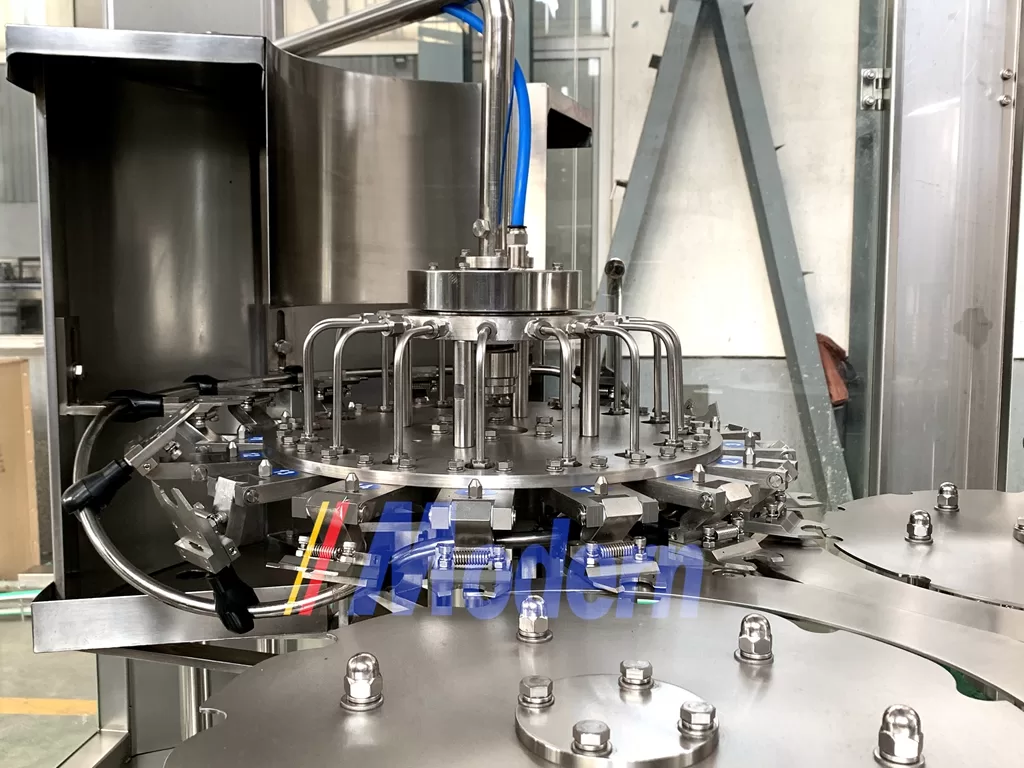
В постоянно меняющемся ландшафте промышленной автоматизации индустрия розлива воды может получить значительные преимущества от внедрения передовых технологий. Поскольку производственные процессы становятся все более эффективными и оптимизированными, автоматизация заводов по розливу воды становится критическим фактором для поддержания конкурентоспособности, оптимизации выпуска продукции и обеспечения ее качества. В этой статье мы углубимся в ключевые аспекты, которые компании в секторе розлива воды должны учитывать на пути к совершенству в автоматизации.
Важность автоматизации при розливе воды
Автоматизация играет решающую роль в модернизации заводов по розливу воды, предлагая множество преимуществ, влияющих на различные аспекты деятельности. Интегрируя решения по автоматизации, компании по розливу воды могут достичь более высоких скоростей производства, улучшенного контроля качества, сокращения времени простоя, повышения стандартов безопасности и увеличения общей эффективности. Эти преимущества, в свою очередь, трансформируются в экономию затрат, повышенную гибкость и большую устойчивость в условиях жесткой конкуренции на рынке.
Факторы, которые следует учитывать перед внедрением автоматизации
Хотя преимущества автоматизации очевидны, бесшовная интеграция требует тщательного планирования и учета нескольких ключевых факторов:
1. Производственная мощность
Оценка текущей и прогнозируемой производственной мощности имеет важное значение для определения объема и масштаба необходимой автоматизации. Понимание производственных потребностей и тенденций роста позволяет выбрать решения по автоматизации, которые соответствуют требованиям мощности завода.
2. Совместимость оборудования
Совместимость между существующим оборудованием и новыми технологиями автоматизации имеет решающее значение для обеспечения плавной интеграции. Проведение тщательной оценки совместимости и выявление любых необходимых обновлений или модификаций имеет первостепенное значение для предотвращения сбоев в работе.
3. Соблюдение нормативных требований
Соблюдение отраслевых норм и стандартов является обязательным условием в секторе розлива воды. Решения по автоматизации должны соответствовать нормативным требованиям, чтобы гарантировать безопасность продукции, контроль качества и соблюдение экологических норм.
4. Обучение и поддержка
Инвестиции в обучение сотрудников и техническую поддержку жизненно важны для максимизации преимуществ автоматизации. Обеспечение того, чтобы персонал был квалифицирован в эксплуатации и обслуживании автоматизированных систем, минимизирует время простоя, повышает производительность и способствует формированию культуры постоянного совершенствования.
Технологии автоматизации, трансформирующие индустрию розлива воды
Внедрение передовых технологий автоматизации революционизирует операции по розливу воды, прокладывая путь к повышению эффективности и производительности. Некоторые из ключевых технологий автоматизации, которые меняют отрасль, включают:
1. Автоматизированные системы розлива
Автоматизированные системы розлива используют прецизионные элементы управления и датчики для оптимизации точности розлива, минимизации потерь продукта и обеспечения постоянного уровня наполнения. Эти системы повышают эффективность, снижают потребность в ручном труде и улучшают качество продукции.
2. Датчики контроля качества
Датчики контроля качества играют жизненно важную роль в мониторинге таких параметров, как температура, давление и целостность бутылки на протяжении всего процесса розлива. Сбор и анализ данных в режиме реального времени позволяют осуществлять упреждающие корректировки и быстро реагировать на отклонения, поддерживая стандарты качества продукции.
3. Роботизированные упаковочные решения
Роботизированные упаковочные решения оптимизируют процессы упаковки и паллетирования, предлагая повышенную скорость, точность и гибкость. Роботы, оснащенные передовыми системами технического зрения, могут работать с разнообразными форматами и конфигурациями упаковки, оптимизируя использование пространства и повышая общую эффективность.
Проблемы и решения при автоматизации заводов по розливу воды
Несмотря на многочисленные преимущества автоматизации, на этапе внедрения могут возникнуть специфические проблемы. Проактивное решение этих проблем и принятие соответствующих мер имеют важное значение для обеспечения успешного перехода к автоматизированным процессам:
1. Вопросы стоимости
Первоначальные инвестиционные затраты на технологии автоматизации могут быть значительными, что создает барьер для внедрения для некоторых компаний. Чтобы преодолеть эту проблему, компании могут рассмотреть поэтапное внедрение, искать варианты финансирования и проводить анализ затрат и выгод для количественной оценки долгосрочной экономии и окупаемости инвестиций.
2. Техническое обслуживание и поддержка
Постоянное техническое обслуживание и техническая поддержка имеют решающее значение для оптимальной работы автоматизированных систем. Разработка комплексных графиков технического обслуживания, установление партнерских отношений с надежными поставщиками услуг и инвестиции в технологии предиктивного обслуживания являются эффективными стратегиями для минимизации времени простоя и обеспечения долговечности системы.
3. Безопасность данных и кибербезопасность
Поскольку автоматизация предполагает интеграцию сложных цифровых систем, обеспечение безопасности данных и мер кибербезопасности имеет первостепенное значение. Внедрение надежных протоколов кибербезопасности, проведение регулярных оценок уязвимостей и обучение персонала вопросам кибербезопасности являются важными шагами для защиты конфиденциальной информации и предотвращения киберугроз.
Заключение
Автоматизация заводов по розливу воды — это трансформирующая сила, которая меняет ландшафт отрасли и выводит операционную эффективность на новые высоты. Тщательно учитывая такие ключевые факторы, как производственная мощность, совместимость оборудования, соблюдение нормативных требований и обучение сотрудников, компании могут эффективно использовать технологии автоматизации для оптимизации процессов, повышения качества продукции и опережения конкурентов. Внедрение автоматизации не только дает немедленные преимущества в виде экономии затрат и эффективности, но и обеспечивает компаниям долгосрочную устойчивость и рост на быстро развивающемся рынке.
Поскольку компании сталкиваются со сложностями внедрения автоматизации, стратегическое планирование, тщательная оценка и приверженность постоянному совершенствованию являются важными столпами успеха в динамичном мире автоматизации заводов по розливу воды.


