
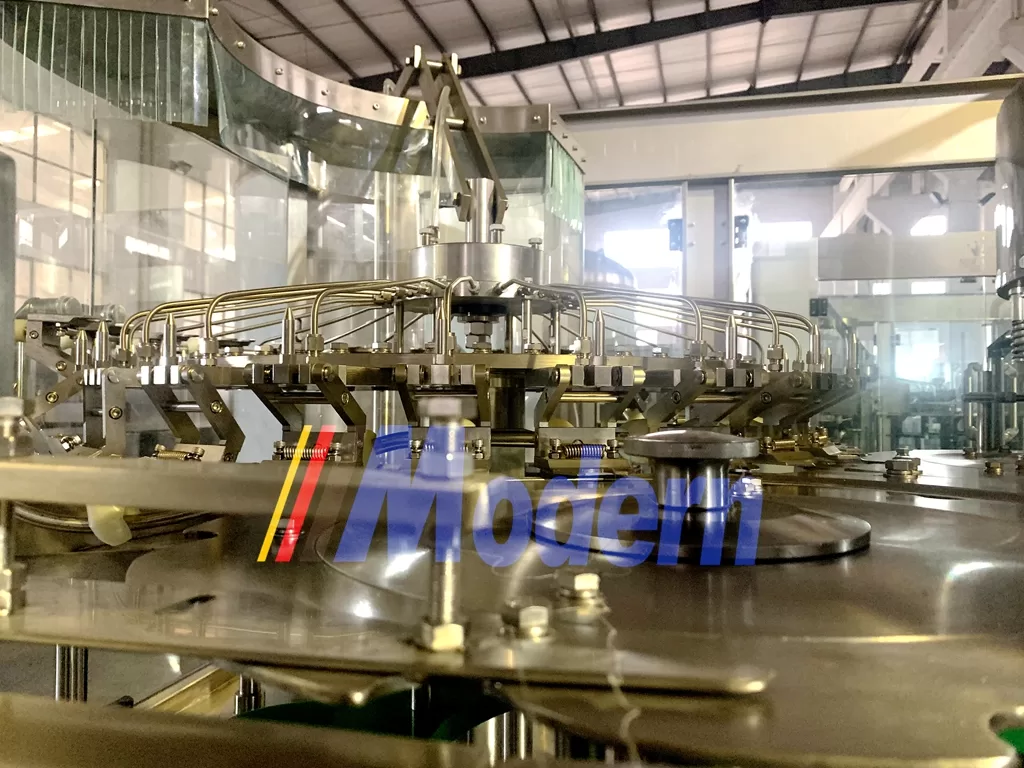
В постоянно развивающейся сфере производства продуктов питания и напитков машина горячего розлива является ключевым элементом оборудования. Эта сложная технология обеспечивает эффективные, гигиеничные и контролируемые по качеству процессы розлива различных жидких продуктов. В этой статье мы рассмотрим принципы работы машин горячего розлива, их применение, преимущества и важные факторы, которые следует учитывать при выборе подходящей машины для ваших производственных нужд. Это руководство, предлагающее практические идеи и обширную информацию, призвано вооружить бизнес знаниями, необходимыми для оптимизации процесса розлива.
Что такое машина горячего розлива?
Машина горячего розлива предназначена для розлива жидких продуктов при поддержании высокой температуры, как правило, выше 85°C (185°F). Этот метод особенно полезен для продуктов, требующих длительного срока хранения и снижения роста микроорганизмов, таких как соусы, соки, супы и многое другое. Процесс горячего розлива включает нагрев продукта до заданной температуры с последующим розливом в предварительно стерилизованные контейнеры. Такой подход не только сохраняет вкус и качество продукта, но и помогает обеспечить безопасность потребителя.
Как работает машина горячего розлива?
Понимание механики работы машины горячего розлива имеет решающее значение для всех, кто связан с производством продуктов питания и напитков. Вот пошаговый обзор стандартной работы:
1. Нагрев
Первоначально сырой жидкий продукт нагревается в стерилизационной камере. Этот этап может включать прямой впрыск пара или методы косвенного нагрева. Цель состоит в том, чтобы достичь заданной температуры, которая эффективно уничтожает вредные бактерии, сохраняя при этом вкус и пищевую ценность продукта.
2. Розлив
После нагрева продукт передается на машину для розлива. Машина спроектирована для транспортировки жидкости к наливным соплам, которые подают точную дозу в контейнеры. Эти сопла обеспечивают минимальное проливание и снижают риск загрязнения.
3. Укупорка
После того как контейнеры наполнены, они немедленно герметизируются с помощью технологии термосварки или завинчивающихся крышек. Укупорка при высоких температурах способствует созданию вакуумного уплотнения, что дополнительно продлевает срок хранения, минимизирует окисление и сохраняет вкус.
4. Охлаждение
После процесса укупорки наполненные контейнеры могут подвергаться быстрому охлаждению для стабилизации продукта и предотвращения его порчи. Это может включать прохождение через охлаждающий туннель, где температура постепенно снижается.
Применение машин горячего розлива
Машины горячего розлива универсальны и широко используются в различных отраслях промышленности. Некоторые распространенные области применения включают:
1. Соусы и приправы
Такие продукты, как кетчуп, майонез и соус барбекю, значительно выигрывают от горячего розлива. Этот метод помогает достичь более длительного срока хранения при сохранении их вкусовых и эстетических качеств.
2. Соки и смузи
Хотя многие соки разливаются при температуре окружающей среды, некоторые продукты, особенно те, которые требуют длительного хранения, могут разливаться горячим способом. Высококачественные соки с минимальным содержанием консервантов могут быть обработаны таким образом.
3. Супы и бульоны
Машины горячего розлива незаменимы в суповой промышленности, где продукты часто разливаются в банки или пакеты. Процесс гарантирует, что вкус остается неизменным, а питательные свойства ингредиентов сохраняются.
4. Молочные продукты
Жидкие молочные продукты, такие как молоко и сливки, также могут использовать горячий розлив, особенно в регионах с различными условиями хранения, чтобы предотвратить порчу.
Преимущества использования машин горячего розлива
Внедрение машин горячего розлива дает многочисленные преимущества, которые могут существенно повлиять на эффективность производства и качество продукции.
1. Увеличенный срок хранения
Одним из наиболее заметных преимуществ является увеличенный срок хранения продуктов горячего розлива. Высокие температуры, достигаемые в процессе розлива, разрушают ферменты и бактерии — ключевые факторы порчи.
2. Минимальное количество консервантов
Горячий розлив позволяет производителям снизить зависимость от химических консервантов. Вместо этого термическая обработка обеспечивает естественный способ сохранения, что привлекает все более заботящихся о своем здоровье потребителей.
3. Повышение качества продукции
Использование методов горячего розлива помогает сохранить вкус и питательную ценность продуктов, что приводит к получению превосходного конечного продукта, отвечающего ожиданиям потребителей.
4. Повышенная эффективность
Машины горячего розлива могут обеспечить высокую скорость выпуска продукции, сокращая время производства и затраты на рабочую силу. Многие современные машины оснащены функциями автоматизации, которые повышают эффективность.
Критерии выбора машин горячего розлива
При выборе машины горячего розлива важно учитывать несколько факторов, чтобы убедиться, что оборудование соответствует вашим производственным потребностям:
1. Тип продукта
Поймите характеристики продукта, который вы собираетесь обрабатывать. Разные продукты требуют разных технологий розлива; например, более густые соусы могут потребовать специализированных насосных систем.
2. Производственная мощность
Оцените свои требования к объему производства. Выбирайте машину, которая может комфортно удовлетворить ваши потребности в производительности, чтобы избежать «узких мест» в производстве.
3. Типы контейнеров
Учитывайте типы контейнеров, которые вы будете использовать — стеклянные банки, пластиковые бутылки или пакеты. Убедитесь, что машина для розлива совместима с выбранной вами упаковкой.
4. Бюджет
Определите бюджет на покупку оборудования, принимая во внимание первоначальные затраты и текущее обслуживание. Высококачественные машины могут иметь более высокие первоначальные затраты, но в долгосрочной перспективе они обеспечивают значительную экономию.
5. Обслуживание и поддержка
Изучите сервис и поддержку, предлагаемые производителями. Надежный доступ к запасным частям и технической помощи может существенно повлиять на срок службы ваших инвестиций.
Будущие тенденции в технологии горячего розлива
По мере развития отраслей развиваются и технологии, которые их поддерживают. Некоторые перспективные тенденции в технологии горячего розлива включают:
1. Умные технологии
Интеллектуальная автоматизация и интеграция с IoT делают машины для горячего розлива “умными”. Эти технологии позволяют осуществлять мониторинг и сбор данных для оптимизации графиков производства и технического обслуживания.
2. Модернизация в целях устойчивого развития
По мере роста интереса потребителей к принципам устойчивого развития растет спрос на экологически безопасное оборудование. Повышение энергоэффективности и использование перерабатываемых материалов в производстве станут приоритетными направлениями отраслевых инноваций.
3. Улучшенные пользовательские интерфейсы
Достижения в дизайне пользовательских интерфейсов делают машины все более удобными в эксплуатации, совершенствуя системы управления для обеспечения большей точности и эффективности операций.
Заключение
Машина для горячего розлива является жизненно важным активом в секторе производства продуктов питания и напитков, благодаря своей способности повышать безопасность, качество и срок хранения продукции. Понимая принципы работы, преимущества и критерии выбора этих машин, предприятия могут обеспечить себе успех на конкурентном рынке. В сочетании с постоянным технологическим прогрессом машины для горячего розлива будут продолжать развиваться, удовлетворяя растущие потребности потребителей и способствуя внедрению принципов устойчивого развития. При планировании своего производства воспользуйтесь идеями и советами, представленными в этой статье, чтобы принять обоснованные решения относительно ваших потребностей в оборудовании для горячего розлива.


