
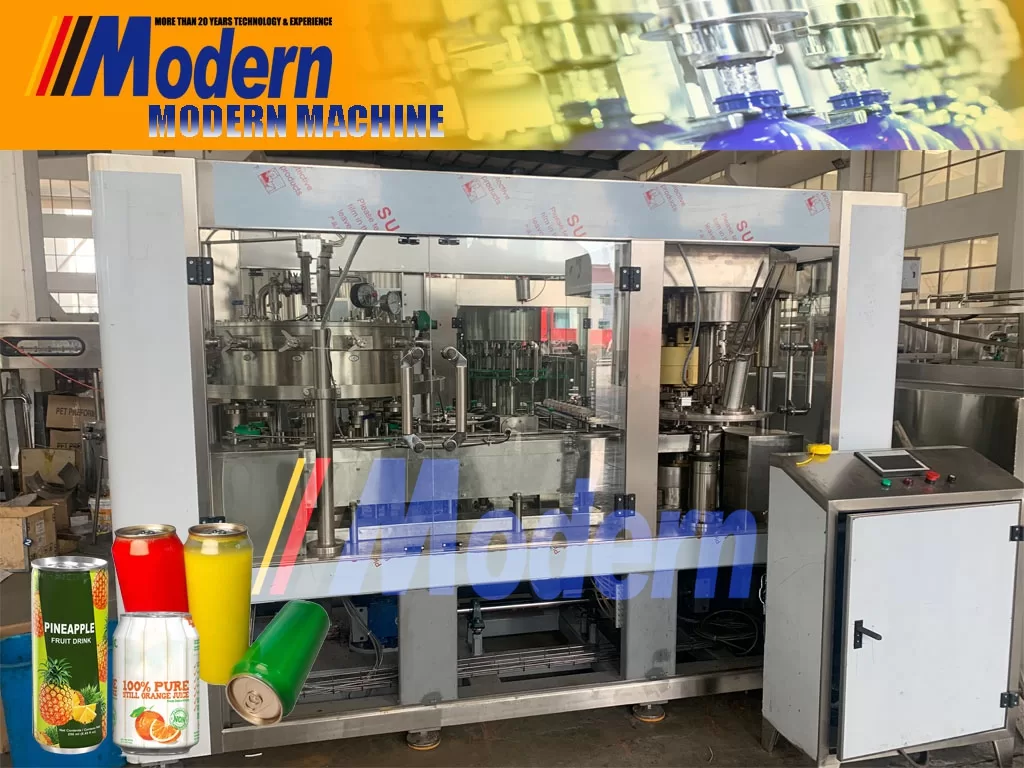
Оборудование для розлива соков играет ключевую роль в индустрии напитков, обеспечивая не только эффективность, но и безопасность и качество соковой продукции. Поскольку спрос на бутилированные соки во всем мире продолжает расти, понимание нюансов работы этого оборудования может принести значительную пользу производителям, дистрибьюторам и ритейлерам. В этой статье рассматриваются различные аспекты машин для розлива соков, включая их типы, технологии, рабочие процессы, техническое обслуживание и преимущества, которые они предлагают.
1. Понимание оборудования для розлива соков
Машины для розлива соков — это специализированное оборудование, предназначенное для наполнения бутылок сокосодержащими напитками, обеспечивающее надлежащую герметизацию и сохранность продукта. Эти машины имеют решающее значение для поддержания целостности сока, предотвращения загрязнения и продления срока годности.
1.1 Типы оборудования для розлива соков
Существует несколько типов машин для розлива соков, каждый из которых отвечает конкретным потребностям производственной линии:
- Гравитационные наполнители: Гравитационные наполнители используются для соков с низкой вязкостью и работают по принципу гравитации. Они идеально подходят для жидких продуктов, но могут требовать более тщательного контроля.
- Пневматические наполнители: Эти наполнители используют давление воздуха для дозирования сока, что делает их подходящими для широкого спектра вязкости жидкостей. Их точность и быстродействие часто делают их предпочтительным выбором для крупносерийного производства.
- Наполнители объемного дозирования: Эти машины наполняют бутылки заранее заданным количеством сока, обеспечивая стабильную точность объема. Этот тип отлично подходит для рецептур, требующих точных измерений.
- Роторные наполнители: Широко распространенные на крупных предприятиях по производству напитков, роторные наполнители обеспечивают высокоскоростное производство, значительно увеличивая пропускную способность. Обычно они встречаются на предприятиях, требующих быстрой обработки больших объемов сока.
1.2 Автоматизация розлива соков
Современные машины для розлива соков часто включают технологии автоматизации, которые оптимизируют весь процесс наполнения. Автоматизированные системы сокращают ручной труд, минимизируют риск человеческой ошибки и повышают операционную эффективность. Такие функции, как датчики, программируемые логические контроллеры (ПЛК) и роботизированные манипуляторы, расширяют производственные возможности, обеспечивая точность наполнения и повышенную скорость.
2. Процесс розлива: этапы и важные аспекты
Процесс розлива обычно можно разделить на несколько ключевых этапов, каждый из которых требует тщательного внимания к деталям для достижения оптимальных результатов:
2.1 Подготовка
Перед розливом крайне важно убедиться, что все оборудование очищено и продезинфицировано. Это помогает избежать загрязнения сока. Кроме того, операторы должны проверить наличие достаточного количества бутылок, крышек и этикеточных материалов для выполнения производственных задач.
2.2 Наполнение
На этапе наполнения сок разливается в бутылки в соответствии со спецификациями используемого наполнителя. Операторы должны следить за переливом, недоливом или нестабильной скоростью наполнения. Внедрение визуальных или электронных систем контроля качества помогает гарантировать, что на рынок попадут только высококачественные продукты.
2.3 Укупорка
После наполнения следующим шагом является надежная укупорка бутылок. Правильная укупорка жизненно важна для предотвращения утечек и воздействия воздуха, что может привести к порче продукта. Машины должны регулярно калиброваться, чтобы гарантировать, что крышки закручиваются с правильным моментом затяжки.
2.4 Этикетирование и упаковка
Точное этикетирование необходимо не только для брендинга, но и для соблюдения местных нормативных требований. Процесс этикетирования может быть автоматизированным или ручным, в зависимости от объема производства. После нанесения этикеток продукты упаковываются для транспортировки ритейлерам или напрямую потребителям.
3. Техническое обслуживание и устранение неисправностей
Для обеспечения долговечности и производительности оборудования для розлива соков необходимо регулярное техническое обслуживание. Вот ключевые методы обслуживания, которые следует внедрить:
3.1 Регулярные проверки
Операторы должны проводить регулярные осмотры наполнительных форсунок, укупорочных узлов и конвейерных лент. Изношенные детали следует своевременно заменять, чтобы избежать простоев производства.
3.2 Очистка
Очистка должна проводиться в соответствии со строгими протоколами, чтобы избежать любого загрязнения. Создание регулярного графика очистки, основанного на интенсивности использования машины, помогает поддерживать стандарты и предотвращать рост микроорганизмов.
3.3 Устранение распространенных проблем
Некоторые распространенные проблемы могут включать:
- Нестабильное наполнение: Это может быть вызвано засорением форсунок или неправильными настройками машины.
- Перекос крышки: Часто является результатом использования дефектных крышек или ошибок калибровки машины.
- Ошибки этикетирования: Неточное этикетирование может быть следствием неправильных размеров этикеток или неисправности аппликаторов.
Своевременное решение этих проблем может предотвратить более серьезные операционные сложности в будущем.
4. Влияние технологий на розлив соков
Технологические достижения значительно изменили процессы розлива соков, сделав их быстрее, надежнее и экономичнее. Ниже представлены некоторые инновационные технологии, влияющие на розлив соков:
4.1 Интеллектуальные датчики
Интеллектуальные датчики помогают контролировать процесс розлива в режиме реального времени, гарантируя, что любые отклонения от стандарта будут немедленно выявлены. Эта возможность сокращает количество отходов и повышает общее качество продукта.
4.2 Интернет вещей (IoT)
Интернет вещей (IoT) позволил производителям соков подключать свое оборудование к сети, что дает возможность удаленного мониторинга и управления. Такое подключение облегчает предиктивное техническое обслуживание и позволяет собирать аналитические данные для постоянного совершенствования процессов.
4.3 Экологичные решения
В связи с растущим потребительским спросом на экологичность, оборудование для розлива соков разрабатывается с учетом экологически безопасных методов. Это включает использование биоразлагаемых материалов, оптимизацию энергопотребления и сокращение отходов во время производства.
5. Соответствие нормативным требованиям и стандартам безопасности
Соблюдение правил безопасности пищевых продуктов имеет первостепенное значение в индустрии розлива. Производители должны ознакомиться с отраслевыми стандартами, такими как анализ рисков и критические контрольные точки (HACCP) и надлежащая производственная практика (GMP).
5.1 Обеспечение контроля качества
Меры контроля качества должны быть интегрированы на каждом этапе процесса розлива. От закупки сырья до тестирования конечного продукта — необходимо регулярно проводить тщательные проверки качества, чтобы соответствовать нормативным требованиям.
5.2 Функции безопасности
Оборудование для розлива соков должно быть оснащено функциями безопасности для защиты операторов. Аварийные остановки, защитные ограждения и хорошая видимость рабочих компонентов позволяют свести к минимуму производственный травматизм и обеспечить безопасные условия труда.
6. Заключение
Подводя итог, можно сказать, что оборудование для розлива соков является неотъемлемой частью индустрии производства напитков. Благодаря широкому спектру доступных технологий и типов оборудования, инвестиции в правильные решения могут принести значительные выгоды, включая повышение эффективности, качества продукции и соответствие отраслевым стандартам. Понимая процесс розлива и уделяя первостепенное внимание техническому обслуживанию, производители могут оптимизировать свои операции и удовлетворять растущий потребительский спрос на качественные бутилированные соки в будущем.
По мере развития ландшафта производства напитков должны меняться и методы розлива соков. Внедрение новых технологий и стандартов позволит не только соответствовать ожиданиям потребителей, но и обеспечит устойчивость и успех брендов соков по всему миру.


