
Поскольку спрос на бутилированные напитки во всем мире продолжает расти, эффективность и результативность производственных процессов становятся первостепенными. Одним из важнейших видов оборудования в этой отрасли является машина для розлива в стеклянные бутылки. В этой статье мы рассмотрим различные аспекты таких машин, включая их типы, преимущества, принципы работы и советы по техническому обслуживанию. К концу статьи читатели получат полное представление о том, как эти машины могут оптимизировать процессы розлива и повысить производительность.
Понимание машин для розлива в стеклянные бутылки
Машины для розлива в стеклянные бутылки являются неотъемлемой частью процесса производства напитков, особенно для таких жидкостей, как вода, соки, безалкогольные и алкогольные напитки. Эти машины автоматизируют процесс розлива, обеспечивая точную дозировку и стабильность, что критически важно для контроля качества на производстве.
Хотя основная функция машины для розлива проста, различные функции и технологии могут повысить ее производительность. Машины выпускаются в различных конфигурациях: от полуавтоматических систем, подходящих для мелкосерийного производства, до полностью автоматических линий, предназначенных для обработки больших объемов продукции.
Типы машин для розлива в стеклянные бутылки
Машины для розлива в стеклянные бутылки можно классифицировать в зависимости от механизма розлива и типа бутылок, с которыми они работают. Понимание этих типов помогает предприятиям выбрать наиболее эффективную систему для своих нужд.
1. Машины гравитационного розлива
Гравитационные машины для розлива используют естественную силу тяжести для наполнения бутылок. Эта конструкция обычно подходит для негазированных жидкостей, таких как вода и соки. Эти машины просты в эксплуатации, часто требуют минимального обслуживания и обеспечивают хороший уровень производительности. Однако они могут не обеспечивать такой же уровень точности, как более совершенные машины, особенно для более густых или плотных жидкостей.
2. Машины розлива под давлением
Машины для розлива под давлением идеально подходят для газированных напитков. Применяя давление к системе розлива, эти машины предотвращают пенообразование и обеспечивают точный розлив даже в условиях высокого давления. Как правило, они быстрее гравитационных наполнителей, что делает их подходящими для производственных линий со средним и высоким объемом выпуска.
3. Вакуумные разливочные машины
Вакуумные машины для розлива создают вакуум для всасывания жидкости в бутылку. Этот метод часто ограничивает воздействие загрязняющих веществ на жидкость, что делает его отличным выбором для чувствительных продуктов. Вакуумные наполнители подходят для широкого спектра жидкостей, включая соусы и другие вязкие продукты.
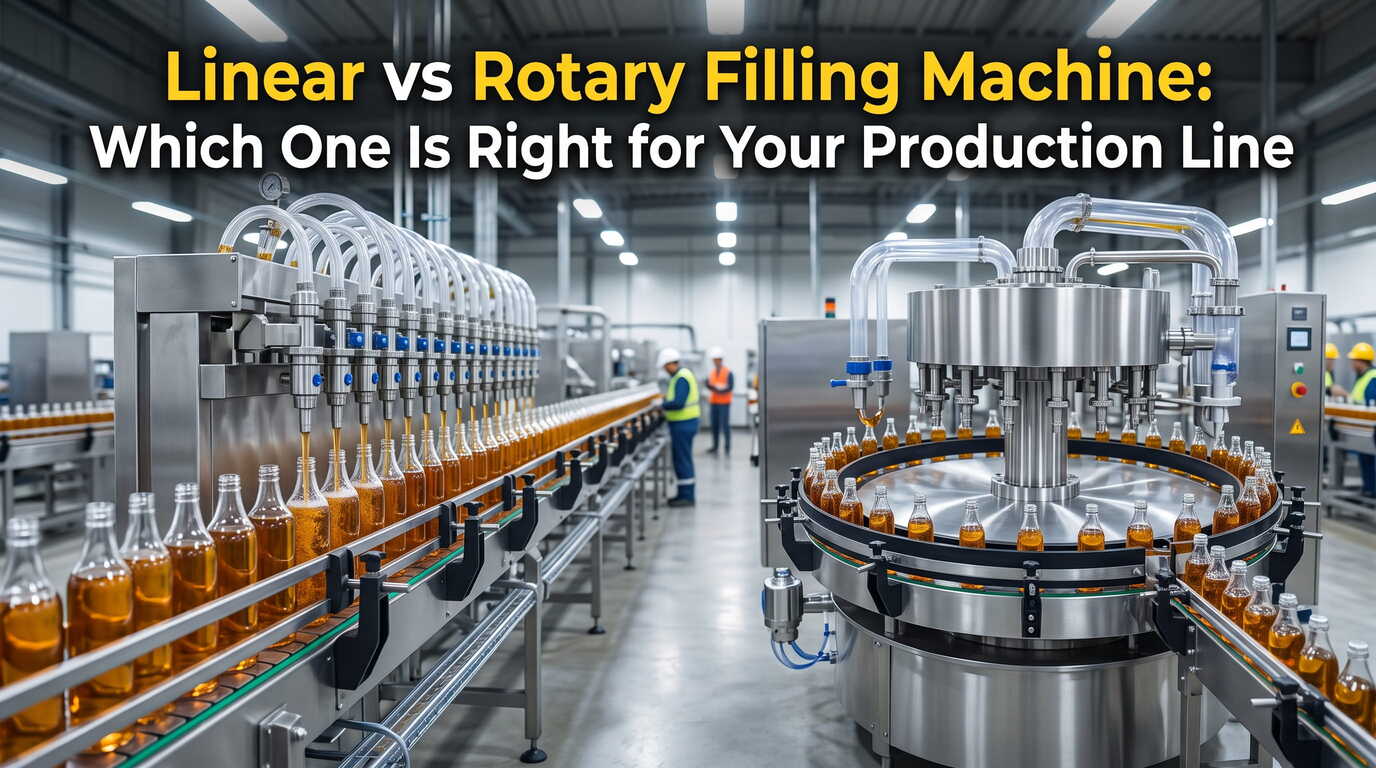
4. Роторные разливочные машины
Роторные машины для розлива используют круговой формат для оптимизации пространства и повышения скорости. Бутылки наполняются во время вращения на карусели, что значительно увеличивает пропускную способность. Этот тип машин для розлива особенно хорошо подходит для высокоскоростных производственных сред и облегчает быструю переналадку между бутылками разных размеров.
Ключевые преимущества использования машин для розлива в стеклянные бутылки
Использование машин для розлива в стеклянные бутылки в производственных процессах дает многочисленные преимущества, которые способствуют повышению эффективности и качества продукции.
1. Повышенная эффективность
Автоматизация значительно сокращает время и трудозатраты, необходимые для операций розлива. Машины могут наполнять тысячи бутылок в час, гарантируя, что производство удовлетворяет высокий спрос без ущерба для качества. Эта эффективность снижает эксплуатационные расходы в долгосрочной перспективе.
2. Стабильное качество
Контроль качества имеет решающее значение в производстве напитков. Машины для розлива обеспечивают равномерный уровень наполнения, сводя к минимуму риск перелива или недолива, что может привести к порче продукта или недовольству клиентов. Эта стабильность укрепляет репутацию бренда и доверие потребителей.
3. Универсальность
Многие машины для розлива в стеклянные бутылки разработаны с учетом универсальности, что позволяет использовать бутылки различных форм и размеров. Эта адаптивность особенно полезна для предприятий, которые хотят внедрять новые продукты или дизайн контейнеров без инвестиций в новое оборудование.
4. Гигиена и безопасность
Современные машины для розлива в стеклянные бутылки разработаны с учетом требований гигиены: они имеют легко очищаемые поверхности и автоматизированные процессы, которые сокращают контакт человека с продуктом. Эта особенность особенно важна в индустрии напитков, где загрязнение может привести к рискам для здоровья и отзыву продукции.
Выбор подходящей машины для розлива в стеклянные бутылки
Выбор лучшей машины для розлива в стеклянные бутылки для вашего предприятия требует тщательного учета нескольких факторов. Ниже приведены практические советы, которые помогут вам в процессе принятия решения:
1. Оцените объем производства
Определите свои ежедневные или еженедельные потребности в производстве. Если вы работаете в небольшом масштабе, может быть достаточно полуавтоматической машины. Однако для более крупных операций инвестиции в полностью автоматическую машину повысят эффективность.
2. Учитывайте характеристики продукта
Ваш выбор также должен зависеть от типа разливаемого продукта. Например, для газированных напитков требуются наполнители под давлением, в то время как негазированные жидкости могут эффективно обрабатываться гравитационными машинами. Изучите вязкость и содержание газа в ваших продуктах, чтобы сделать осознанный выбор.
3. Оцените бюджет и окупаемость инвестиций (ROI)
Инвестиции в оборудование для розлива могут потребовать значительных первоначальных затрат. Крайне важно оценить свой бюджет, учитывая долгосрочную окупаемость инвестиций. Изучите технические характеристики машин, оценки ожидаемой производительности и потенциальную экономию за счет сокращения трудозатрат и повышения эффективности.
4. Изучите технологические особенности
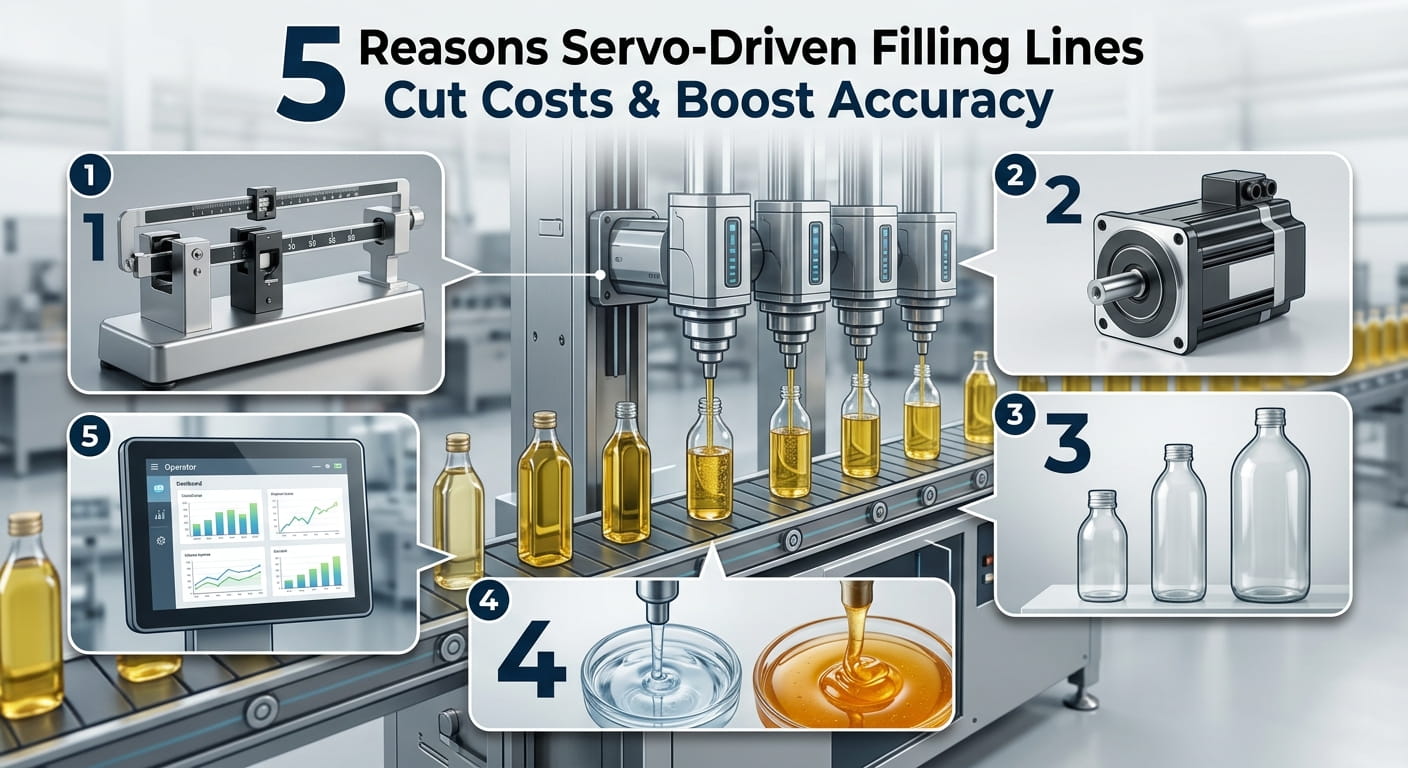
Современные машины для розлива оснащены различными технологическими достижениями, включая сенсорное управление, автоматизированные системы очистки и возможности интеграции с другим упаковочным оборудованием. Ищите машины, которые предлагают функции, повышающие эффективность операций и масштабируемость.
Советы по техническому обслуживанию машин для розлива в стеклянные бутылки
<pПравильное техническое обслуживание необходимо для обеспечения долговечности и оптимальной производительности машин для розлива в стеклянные бутылки. Вот несколько практических советов по обслуживанию:
1. Регулярная очистка
Очистка машины имеет первостепенное значение для поддержания гигиены и предотвращения загрязнения. Установите график очистки и убедитесь, что все детали, включая сопла и бутылки, тщательно продезинфицированы.
2. Плановые проверки
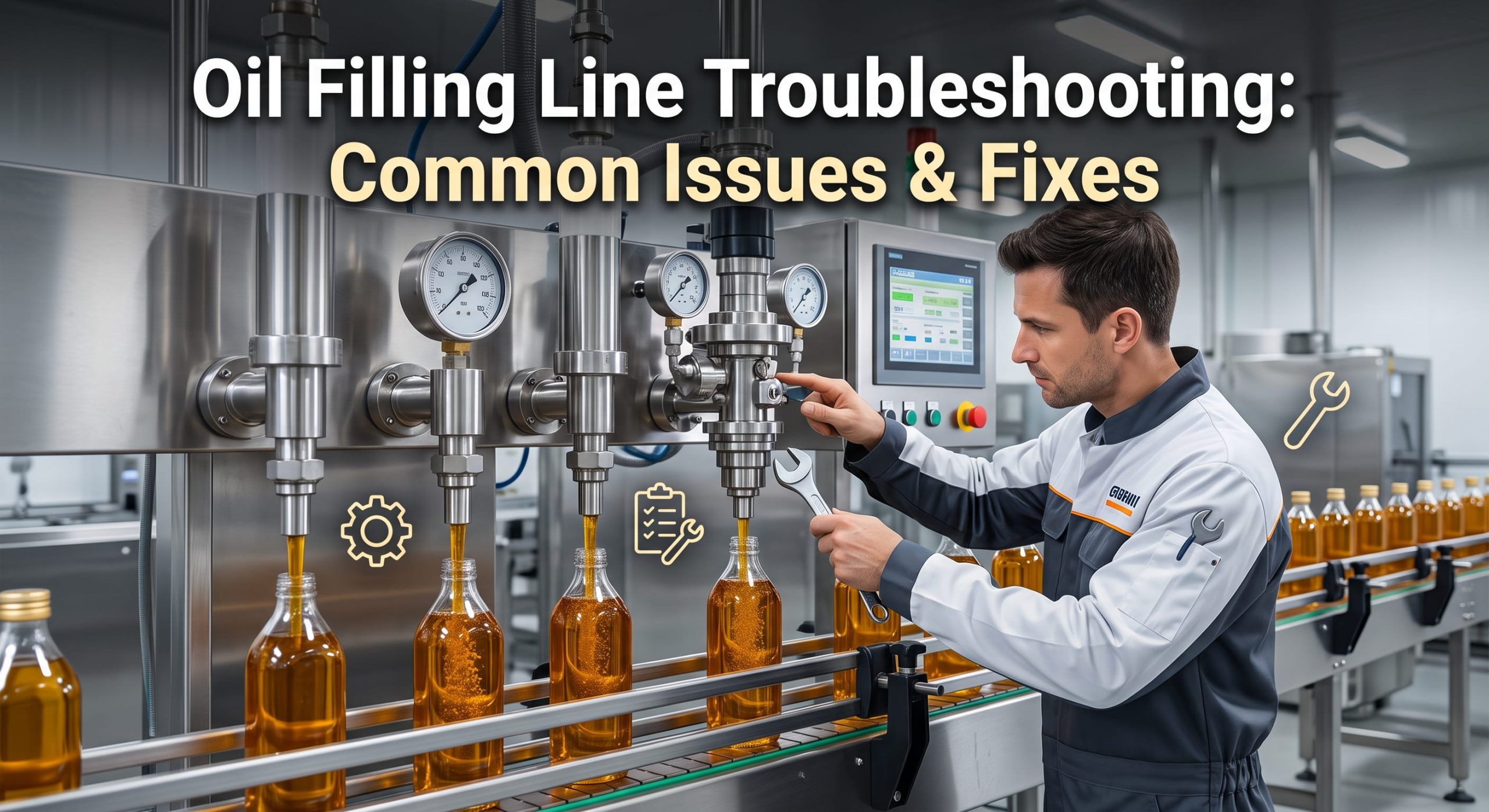
Проводите регулярные осмотры движущихся частей, уплотнений и других жизненно важных компонентов, чтобы своевременно выявлять износ. Оперативное устранение мелких проблем может предотвратить более серьезные проблемы в будущем.
3. Поддерживайте документацию в актуальном состоянии
Ведите журнал работ по техническому обслуживанию, ремонту и замене деталей. Эта документация поможет в поиске неисправностей и понимании производительности машины с течением времени.
4. Следуйте рекомендациям производителя
Соблюдайте рекомендации производителя по техническому обслуживанию и сервисному обслуживанию. Следование конкретным рекомендациям гарантирует, что вы приводите свои практики в соответствие с конструктивными замыслами машины.
Заключение
Машины для розлива в стеклянные бутылки являются жизненно важными компонентами процесса производства напитков, позволяя компаниям эффективно удовлетворять запросы потребителей. Понимая типы, преимущества и особенности обслуживания этих машин, предприятия могут выбирать системы, которые повышают производительность и улучшают качество продукции.
Инвестиции в правильную машину для розлива не только помогают оптимизировать производственные линии, но и укрепляют доверие потребителей благодаря стабильному качеству. С учетом растущих тенденций в области устойчивого развития и предпочтений потребителей в отношении стеклянной упаковки, важность эффективного розлива в стеклянные бутылки невозможно переоценить. Правильный выбор и обслуживание этих машин прокладывают путь к успеху на конкурентном рынке.