
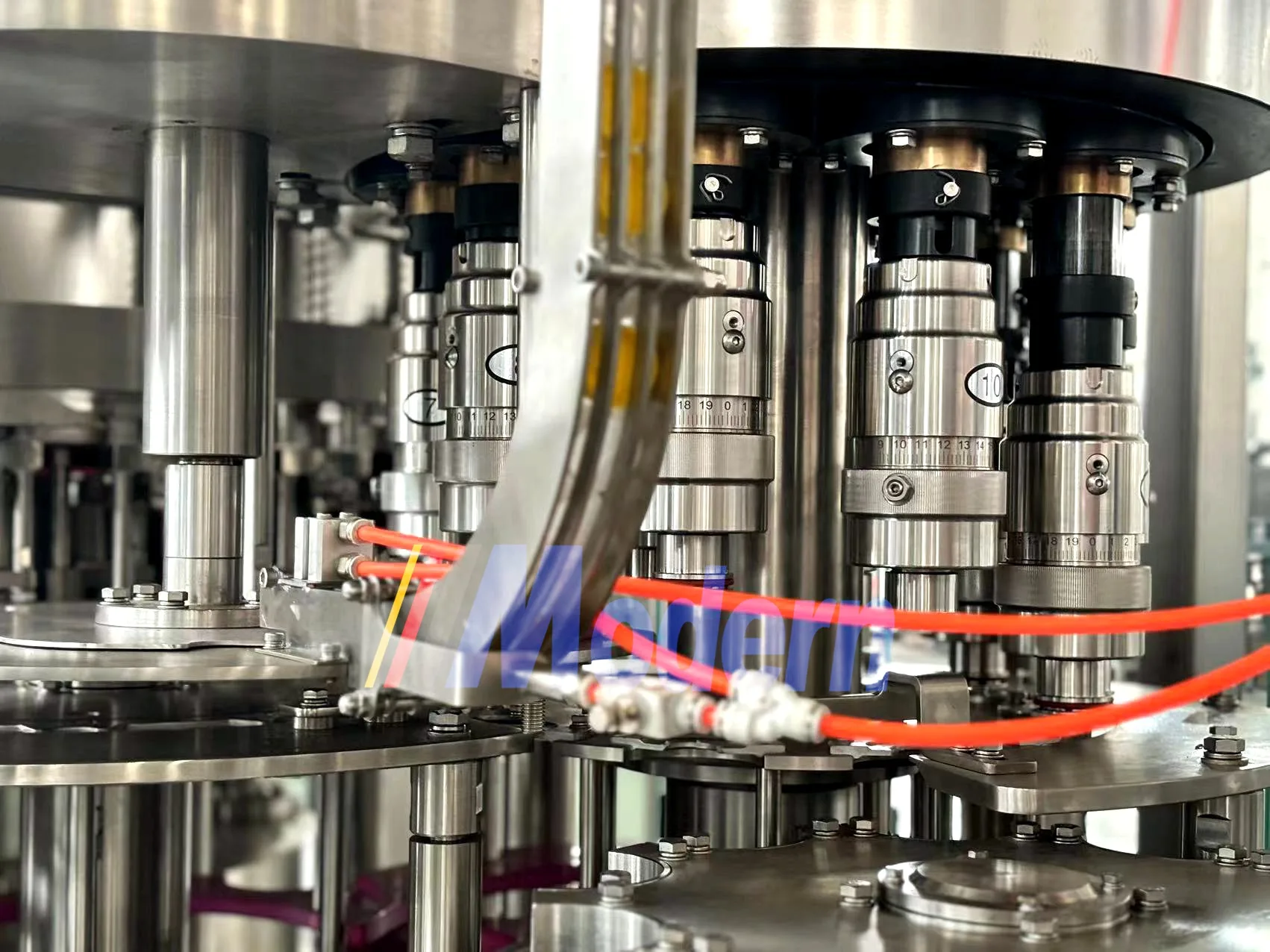
В современной динамичной производственной отрасли использование интеллектуальных датчиков и технологий контроля качества в разливочных машинах кардинально меняет подходы компаний к обеспечению точности, эффективности и соответствия отраслевым стандартам. В этой статье рассматривается значение интеллектуальных датчиков в разливочных машинах, их роль в совершенствовании процессов контроля качества, а также приводятся практические рекомендации для предприятий, стремящихся оптимизировать свои операции по розливу.
Важность интеллектуальных датчиков в разливочных машинах
Интеллектуальные датчики играют решающую роль в современных разливочных машинах, предоставляя данные и обратную связь в режиме реального времени, что позволяет точно контролировать процесс розлива. Эти датчики оснащены передовыми технологиями, способными с непревзойденной точностью и надежностью отслеживать различные параметры, такие как уровень жидкости, скорость потока, температура и давление.
Используя интеллектуальные датчики, производители могут минимизировать потери продукта, обеспечить постоянство объемов розлива и оперативно обнаруживать любые отклонения от заданных параметров. Такой проактивный подход не только повышает качество продукции, но и увеличивает операционную эффективность, а также сокращает время простоя из-за неисправностей оборудования или неточностей.
Повышение качества с помощью интеллектуальных датчиков
Контроль качества является главным приоритетом для компаний, эксплуатирующих разливочные машины, особенно в таких отраслях, как пищевая промышленность, производство напитков, фармацевтика и косметика, где качество продукции напрямую влияет на безопасность потребителей и репутацию бренда. Интеллектуальные датчики играют ключевую роль в обеспечении качества, предоставляя возможность мониторинга и управления критическими параметрами розлива в режиме реального времени.
Благодаря непрерывному сбору и анализу данных интеллектуальные датчики позволяют производителям быстро выявлять и устранять проблемы с качеством, гарантируя, что каждый продукт соответствует строгим стандартам. Такой проактивный подход не только минимизирует риск отзыва продукции и нарушения нормативных требований, но и способствует укреплению доверия и лояльности клиентов.
Практические рекомендации по оптимизации операций розлива
Для предприятий, стремящихся оптимизировать свои операции по розливу с помощью интеллектуальных датчиков и технологий контроля качества, предлагаем несколько практических рекомендаций:
Инвестируйте в высококачественные интеллектуальные датчики:
Выбирайте датчики от авторитетных производителей, известных своим качеством и надежностью. Убедитесь, что датчики совместимы с вашей системой разливочной машины и способны предоставлять точные данные в режиме реального времени.
Внедряйте автоматизированные процессы контроля качества:
Интегрируйте интеллектуальные датчики с автоматизированными системами контроля качества для оптимизации мониторинга и корректировки параметров розлива. Это позволит сократить количество ошибок, допускаемых вручную, и обеспечить стабильное качество продукции.
Регулярное техническое обслуживание и калибровка:
Планируйте регулярное техническое обслуживание и калибровку интеллектуальных датчиков, чтобы гарантировать их оптимальную работу и точность. Такой проактивный подход поможет предотвратить неисправности оборудования и отклонения в процессах розлива.
Непрерывное обучение и развитие навыков:
Обучайте персонал правильному использованию и обслуживанию интеллектуальных датчиков, чтобы максимально использовать их преимущества. Инвестируйте в программы непрерывного повышения квалификации, чтобы ваш персонал был в курсе новейших технологий и передовых методов в операциях розлива.
Заключение
В заключение следует отметить, что интеллектуальные датчики и технологии контроля качества трансформируют сферу разливочных машин, обеспечивая точность, эффективность и соответствие отраслевым стандартам. Используя возможности интеллектуальных датчиков и внедряя надежные процессы контроля качества, компании могут оптимизировать свои операции по розливу, повысить качество продукции и получить конкурентное преимущество на рынке. Внедрение этих технологий — это не просто стратегический шаг, а необходимость для бизнеса, стремящегося оставаться в лидерах в современных динамичных производственных условиях.


