
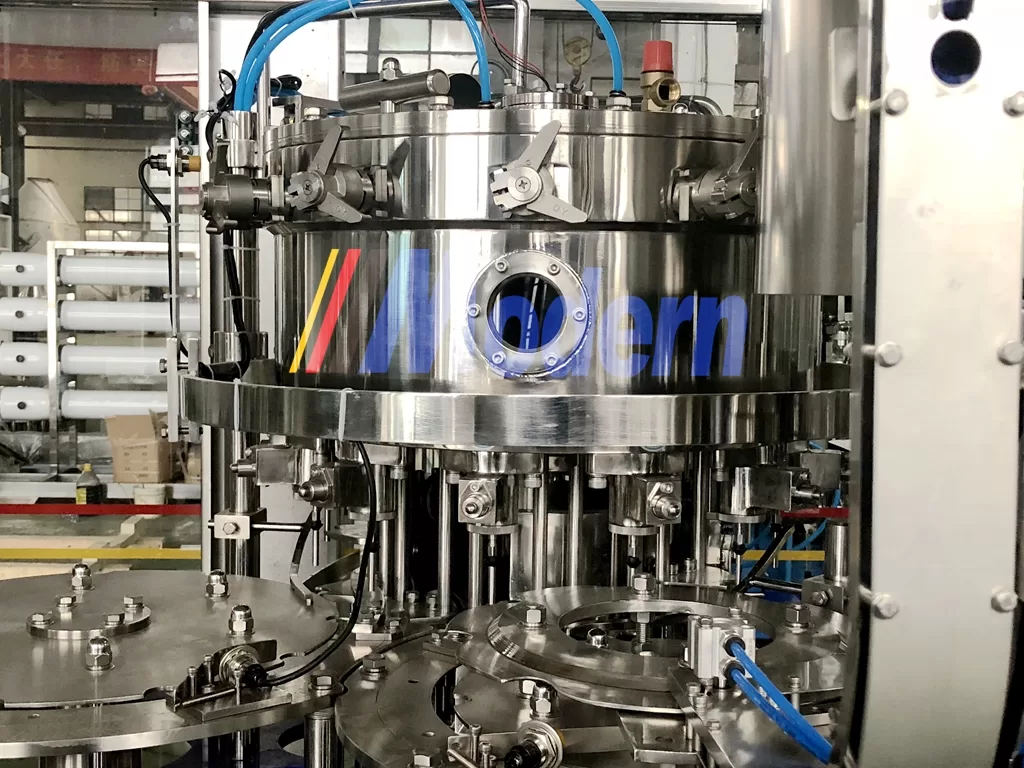
В динамичном мире производства напитков простои на полностью автоматизированных производственных линиях могут оказать существенное влияние на производительность и прибыльность. Неэффективные процессы, отказы оборудования и человеческий фактор являются распространенными причинами простоев, которые могут препятствовать бесперебойной работе этих высокоавтоматизированных систем. В этой статье мы рассмотрим практические стратегии и идеи о том, как эффективно сократить время простоя на полностью автоматизированных линиях розлива напитков, что позволит компаниям оптимизировать производственные процессы и сохранить конкурентное преимущество на рынке.
Стоимость простоев в производстве напитков
Простои на полностью автоматизированных линиях розлива напитков приводят не только к задержкам производства, но и к значительным финансовым потерям для компаний. Последствия простоев — от простоя персонала до невыполнения производственных планов — могут варьироваться от увеличения операционных расходов до ущерба репутации бренда. Производителям напитков крайне важно понимать влияние простоев и принимать упреждающие меры для их минимизации.
Выявление первопричин простоев
Первым шагом к сокращению времени простоя на полностью автоматизированных линиях розлива напитков является выявление первопричин проблемы. Проведение тщательного анализа ваших производственных процессов, производительности оборудования и методов технического обслуживания поможет определить области, подверженные простоям. К распространенным причинам простоев относятся неисправность оборудования, недостаточное техническое обслуживание, отсутствие подготовки операторов и неэффективные процедуры переналадки.
Внедрение программ профилактического технического обслуживания
Профилактическое техническое обслуживание играет решающую роль в сокращении времени простоя на полностью автоматизированных линиях розлива напитков. Установив регулярный график технического обслуживания и проводя плановые осмотры оборудования, производители могут обнаруживать и устранять потенциальные проблемы до того, как они перерастут в дорогостоящие поломки. Внедрение технологий предиктивного обслуживания, таких как датчики и аналитика данных, также может помочь в прогнозировании отказов оборудования и заблаговременном планировании работ по техническому обслуживанию.
Обучение операторов и обслуживающего персонала
Хорошо обученные операторы и обслуживающий персонал необходимы для бесперебойной работы полностью автоматизированных линий розлива напитков. Предоставление вашим сотрудникам комплексных программ обучения по эксплуатации оборудования, процедурам технического обслуживания и методам устранения неполадок может помочь минимизировать человеческие ошибки и повысить общую производительность системы. Инвестиции в непрерывное обучение и развитие навыков ваших сотрудников могут повысить их эффективность при работе с автоматизированными производственными процессами.
Оптимизация процессов переналадки
Эффективные процессы переналадки имеют решающее значение для минимизации времени простоя на полностью автоматизированных линиях розлива напитков, особенно при переходе между различными типами продуктов или форматами упаковки. Упрощение процедур переналадки, использование быстросменных деталей и внедрение автоматизированных инструментов могут сократить время, необходимое для настройки и регулировки оборудования. Оптимизируя процессы переналадки, производители могут повысить гибкость производства и оперативность реагирования на меняющиеся рыночные требования.
Использование технологий Индустрии 4.0
Внедрение технологий Индустрии 4.0, таких как Интернет вещей (IoT), искусственный интеллект и машинное обучение, может произвести революцию в том, как производители напитков управляют своими производственными процессами. Датчики с поддержкой IoT могут обеспечить мониторинг производительности оборудования в режиме реального времени, оповещения о необходимости предиктивного обслуживания и аналитические данные для оптимизации эффективности производства. Использование этих передовых технологий может помочь компаниям проактивно выявлять проблемы, оптимизировать производственные рабочие процессы и сокращать время простоя на полностью автоматизированных линиях розлива напитков.
Сотрудничество с поставщиками оборудования и сервисными компаниями
Установление прочных партнерских отношений с поставщиками оборудования и сервисными компаниями может быть полезным для производителей напитков, стремящихся сократить время простоя на своих автоматизированных производственных линиях. Тесно сотрудничайте со своими поставщиками, чтобы обеспечить доступ к своевременной технической поддержке, запасным частям и услугам по техническому обслуживанию. Сотрудничество с сервисными компаниями для проведения регулярных осмотров оборудования, калибровки и обучения может помочь предотвратить неожиданные поломки и оптимизировать работу вашей производственной линии.
Мониторинг показателей эффективности и KPI
Отслеживание ключевых показателей эффективности (KPI) и метрик производительности необходимо для оценки эффективности ваших усилий по сокращению времени простоя на полностью автоматизированных линиях розлива напитков. Установление KPI, связанных с временем безотказной работы оборудования, объемом производства, затратами на техническое обслуживание и эффективностью переналадки, может дать ценную информацию о работе ваших производственных процессов. Регулярный анализ этих показателей и принятие корректирующих мер на основе полученных данных помогут в постоянном повышении операционной эффективности и минимизации простоев.
Заключение
В заключение, сокращение времени простоя на полностью автоматизированных линиях розлива напитков требует комплексного подхода, который устраняет первопричины простоев, внедряет программы профилактического технического обслуживания, обучает операторов и обслуживающий персонал, оптимизирует процессы переналадки, использует технологии Индустрии 4.0, сотрудничает с поставщиками оборудования и сервисными компаниями, а также отслеживает показатели эффективности и KPI. Применяя эти стратегии и идеи, производители напитков могут повысить надежность, эффективность и прибыльность своих автоматизированных производственных линий, в конечном итоге получив конкурентное преимущество на рынке.


