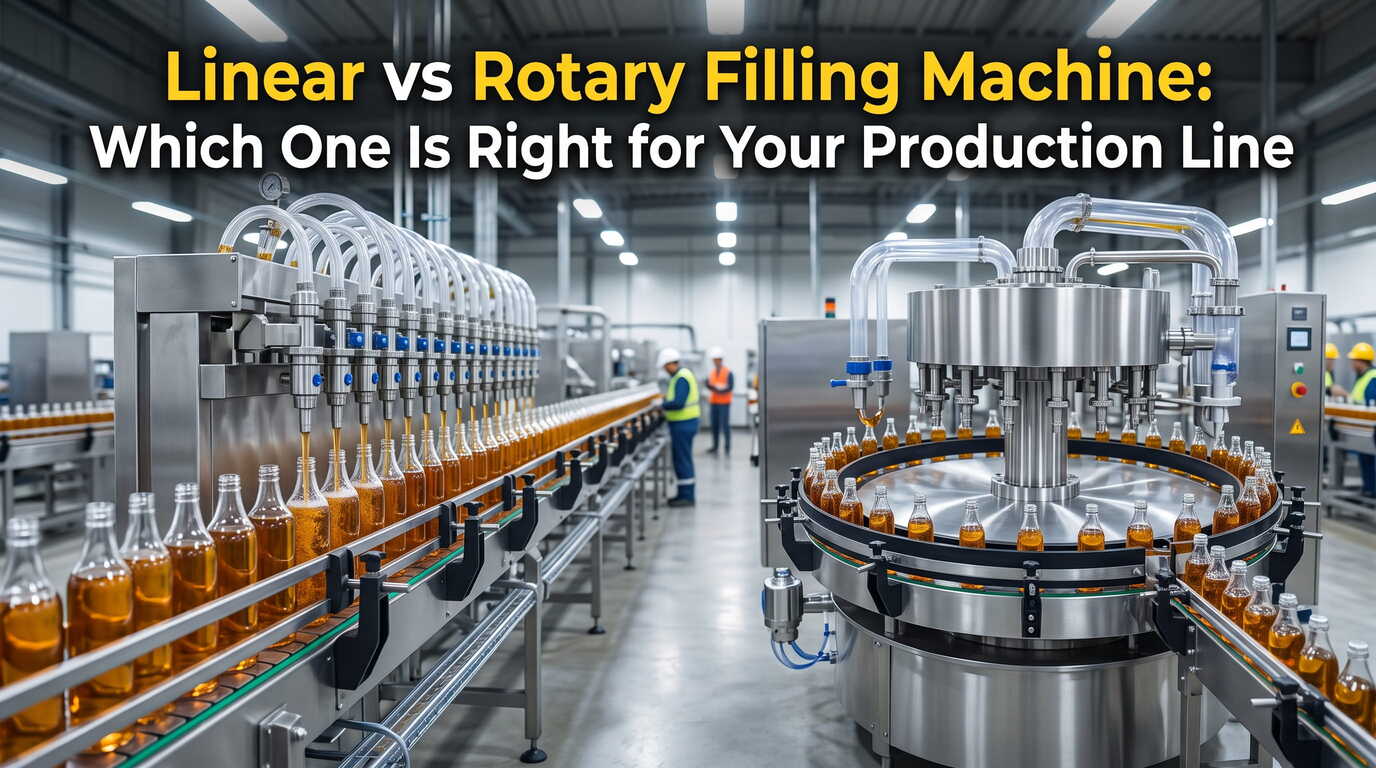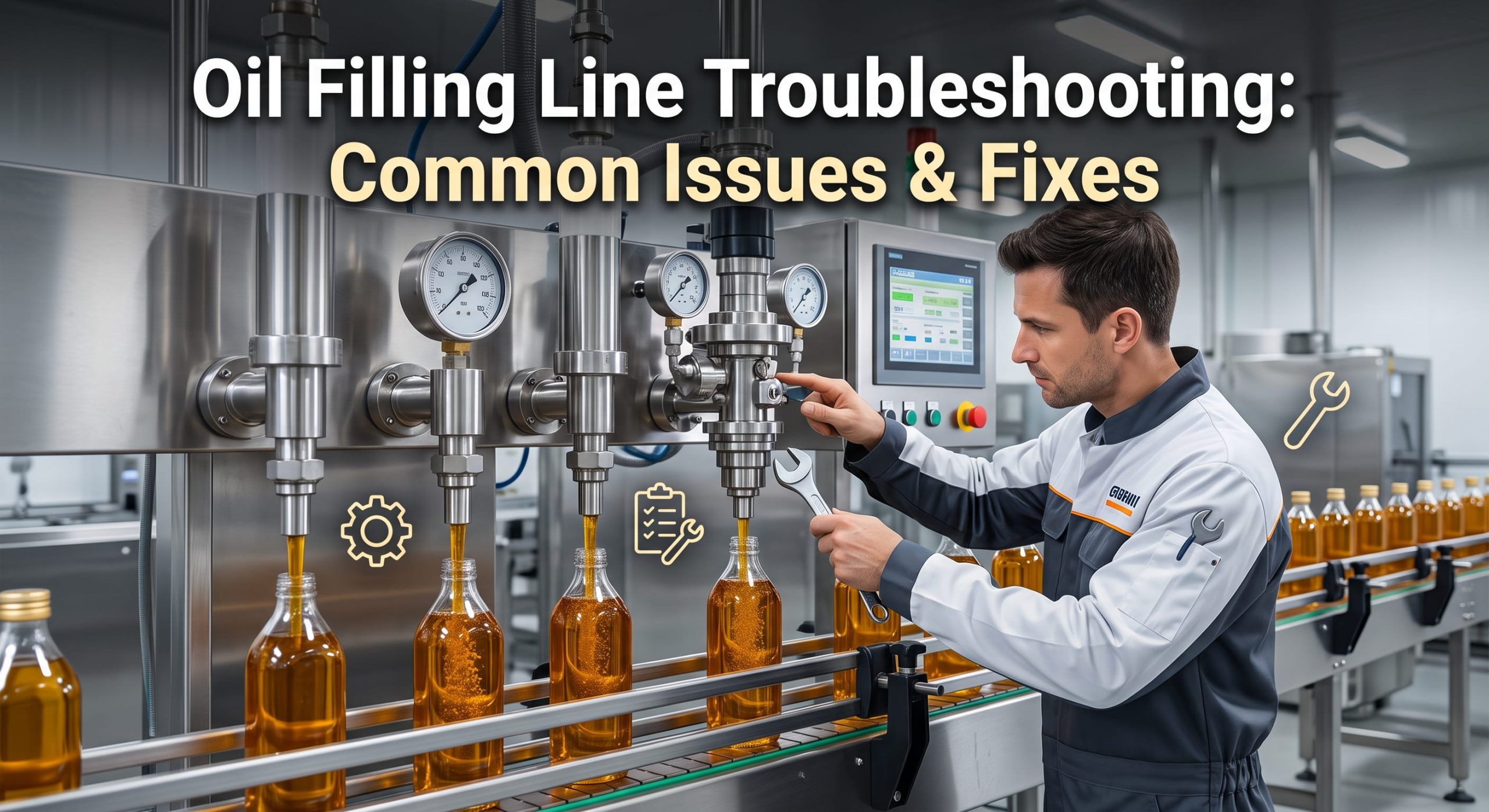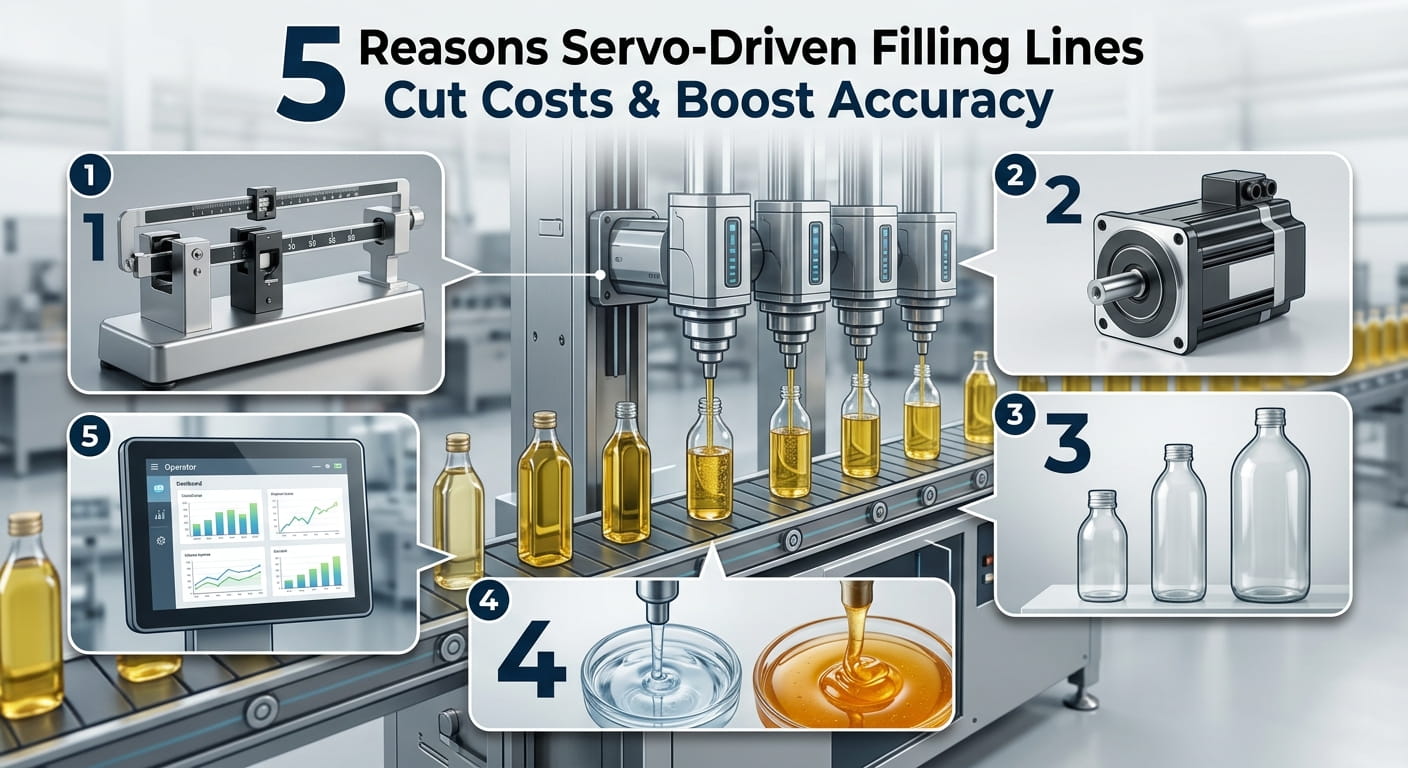
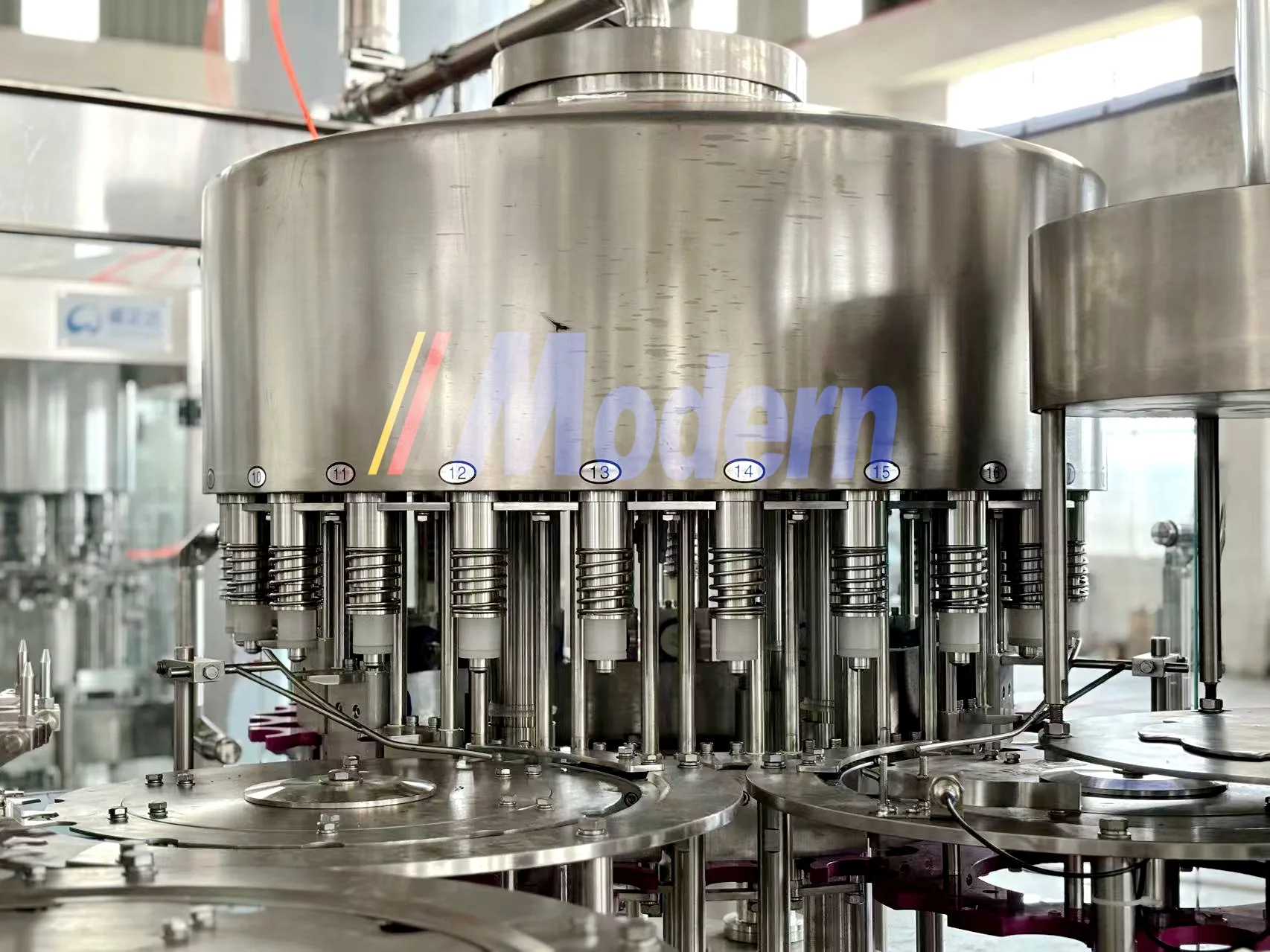
Небольшие заводы по розливу часто сталкиваются с необходимостью наращивания объемов производства при сохранении стандартов эффективности и качества. В эпоху развития технологий автоматизация упаковки представляет собой эффективное решение для небольших предприятий, стремящихся оптимизировать свои операции и повысить общую производительность.
Преимущества автоматизации упаковки
Внедрение автоматизации упаковки на небольших заводах по розливу может принести множество преимуществ:
1. Повышенная эффективность
Автоматизированные процессы упаковки могут значительно повысить эффективность за счет сокращения потребности в ручном труде, минимизации ошибок и ускорения производственных циклов. Это ведет к более оптимизированной работе и сокращению сроков выполнения заказов.
2. Улучшенный контроль качества
Устройства автоматизации, такие как датчики и системы машинного зрения, могут предоставлять данные о качестве упаковки в режиме реального времени, что позволяет своевременно вносить коррективы и обеспечивать стабильное качество продукции.
3. Экономия затрат
Хотя первоначальные затраты на внедрение автоматизации упаковки могут показаться значительными, долгосрочная экономия может быть существенной. Снижение затрат на оплату труда, уменьшение количества ошибок и сокращение отходов материалов — все это способствует повышению экономической эффективности производства.
Ключевые факторы при внедрении автоматизации упаковки
Прежде чем приступить к внедрению автоматизации упаковки на вашем небольшом заводе по розливу, примите во внимание следующие ключевые факторы:
1. Оцените свои производственные потребности
Оцените текущую производственную мощность, прогнозы роста и специфические требования к розливу. Это поможет вам определить уровень автоматизации, который лучше всего подходит для вашего предприятия.
2. Выберите подходящее оборудование для автоматизации
На рынке представлен широкий спектр оборудования для автоматизации упаковки: от конвейерных систем до роботизированных манипуляторов. Выбирайте оборудование, которое соответствует вашим производственным целям и бюджетным ограничениям.
3. Обучите свой персонал
Инвестируйте в программы обучения, чтобы убедиться, что ваш персонал умеет работать с новыми автоматизированными системами и обслуживать их. Надлежащее обучение — залог максимального использования преимуществ автоматизации упаковки.
Лучшие практики для успешной автоматизации упаковки
Чтобы обеспечить успешный переход к автоматизации упаковки на вашем небольшом заводе по розливу, примите во внимание следующие рекомендации:
1. Начните с малого и постепенно масштабируйте
Начните с автоматизации одного аспекта процесса упаковки, например, этикетирования или укупорки, прежде чем переходить к другим участкам. Это обеспечит более плавную интеграцию и минимизирует сбои.
2. Контролируйте и оптимизируйте производительность
Регулярно оценивайте работу ваших автоматизированных систем и выявляйте области для улучшения. Внедряйте стратегии непрерывной оптимизации для повышения эффективности и производительности.
3. Следите за технологическими трендами
Будьте в курсе последних разработок в области технологий автоматизации упаковки, чтобы оставаться конкурентоспособными на рынке. Использование инноваций может дать вашему небольшому заводу значительное преимущество.
Заключение
Автоматизация упаковки обладает огромным потенциалом для небольших заводов по розливу, стремящихся оптимизировать производственные процессы и стимулировать рост. Тщательно оценив свои потребности, выбрав правильное оборудование и внедрив лучшие практики, небольшие предприятия могут достичь нового уровня эффективности и качества операций.
Внедрение автоматизации упаковки — это не только стратегический шаг для настоящего, но и инвестиция в будущий успех небольших заводов по розливу в постоянно меняющемся ландшафте производства.