
Введение
В сфере производства и выпуска продукции интеграция маркировки и упаковки играет жизненно важную роль в обеспечении эффективности, точности и бесперебойности операций. В этой статье рассматривается значимость интеграции процессов маркировки и упаковки, а также освещаются их преимущества, области применения, технические детали и отраслевые инсайты.
Почему интеграция маркировки и упаковки имеет значение
Интеграция маркировки и упаковки в производственные процессы имеет огромное значение для компаний, стремящихся к оптимизации операций и повышению производительности. Объединив эти два важнейших аспекта, предприятия могут оптимизировать рабочий процесс, сократить количество ошибок, улучшить прослеживаемость и повысить общую эффективность.
Типы и разновидности интегрированных систем маркировки и упаковки
На рынке представлено множество типов интегрированных систем маркировки и упаковки, каждая из которых отвечает специфическим требованиям отрасли. От автоматических этикетировочных машин до роботизированных упаковочных систем — выбор разнообразен и может быть адаптирован к различным производственным потребностям.
Автоматические этикетировочные машины
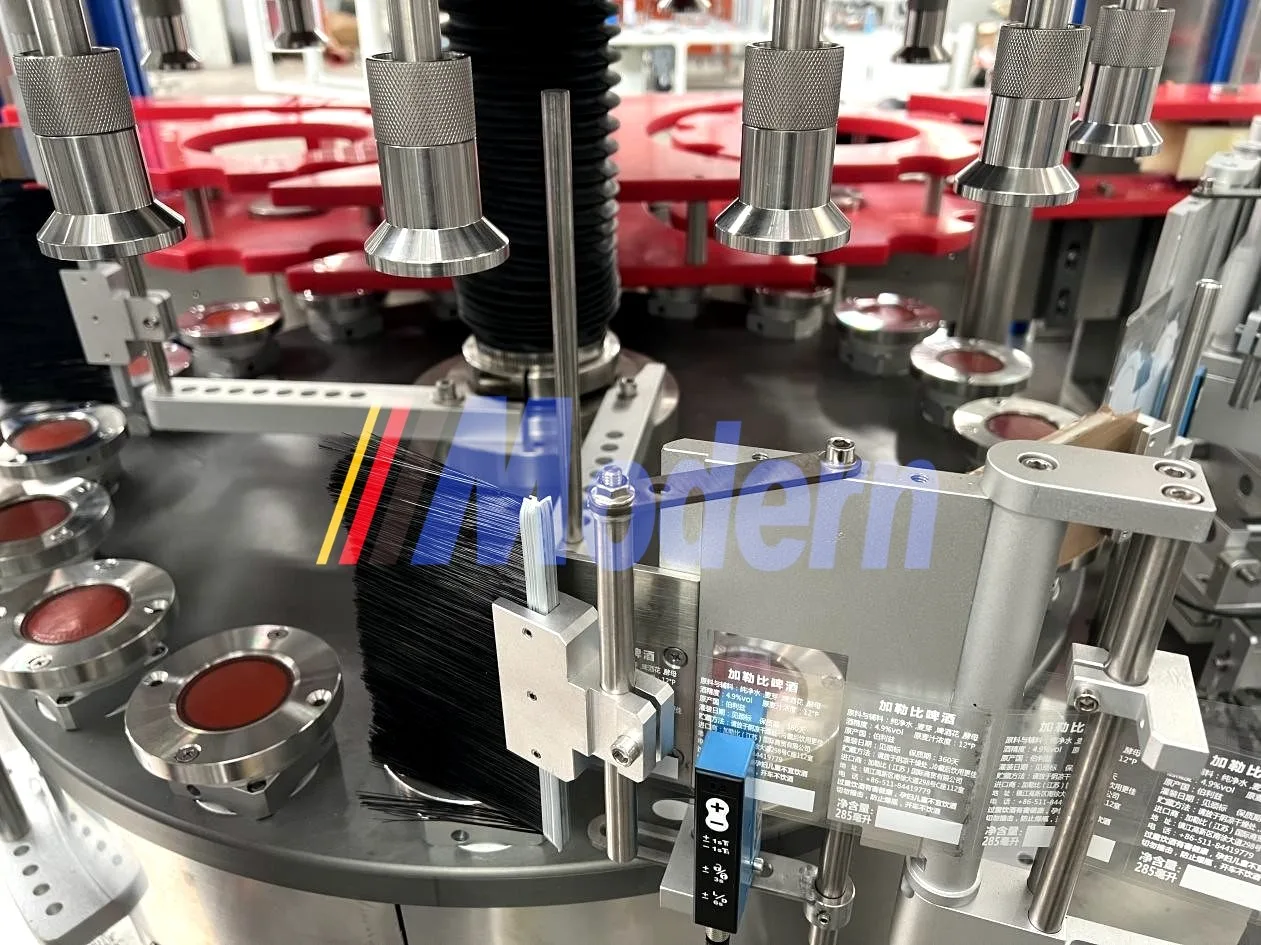
Автоматические этикетировочные машины предназначены для быстрого и точного нанесения этикеток на продукты, контейнеры или упаковку. Эти машины выпускаются в различных конфигурациях, таких как круговые этикетировщики, верхние и боковые этикетировщики, что обеспечивает гибкость для выполнения различных задач по маркировке.
Роботизированные упаковочные системы
Роботизированные упаковочные системы используют передовые технологии для эффективной упаковки продукции. Эти системы способны работать с широким спектром упаковочных материалов и форматов, обеспечивая точную и быструю упаковку при сохранении качества продукции.
Применение и примеры использования
Интегрированные системы маркировки и упаковки находят широкое применение в таких отраслях, как пищевая промышленность, производство напитков, фармацевтика, косметика, электроника и многих других. Эти системы используются для маркировки информации о продукте, отслеживания запасов, обеспечения подлинности продукции, а также для повышения скорости и точности упаковки.
Технические и операционные детали
Интегрированные системы маркировки и упаковки состоят из сложного оборудования, работающего слаженно для оптимизации производственных процессов. Ключевые функции включают синхронизацию данных в реальном времени, сканирование штрих-кодов, интеграцию RFID, автоматическую проверку этикеток и возможности удаленного мониторинга.
Лучшие практики и советы по техническому обслуживанию
Чтобы максимизировать преимущества интегрированных систем маркировки и упаковки, предприятиям следует придерживаться передовых методов, таких как регулярное техническое обслуживание, калибровка оборудования, обучение персонала работе с системой и инвестирование в обновления программного обеспечения для повышения производительности и безопасности.
Рыночные тенденции и отраслевая аналитика
Интеграция систем маркировки и упаковки претерпевает значительную эволюцию благодаря внедрению технологий искусственного интеллекта, интернета вещей (IoT) и машинного обучения. Компании все чаще внедряют интеллектуальные решения для маркировки, которые предлагают отслеживание в реальном времени, «умную» упаковку и аналитику на основе данных для принятия более эффективных решений.
Проблемы и решения
Хотя интегрированные системы маркировки и упаковки предлагают многочисленные преимущества, предприятия могут столкнуться с такими проблемами, как вопросы совместимости, проблемы безопасности данных и простои системы. Решение этих задач требует принятия упреждающих мер, таких как аудит систем, регулярное резервное копирование, протоколы кибербезопасности и планы действий на случай операционных сбоев.
Устойчивое развитие и перспективы на будущее
В эпоху растущего внимания к устойчивому развитию и экологической ответственности системы маркировки и упаковки развиваются в направлении сокращения отходов, оптимизации ресурсов и повышения возможности вторичной переработки. Перспективы развития этих систем включают достижения в области экологически чистых материалов, энергоэффективных технологий и практик экономики замкнутого цикла.
Заключение
Интеграция маркировки и упаковки для бесперебойного производства — это уже не просто выбор, а необходимость для компаний, стремящихся оставаться конкурентоспособными на современном динамичном рынке. Используя преимущества интегрированных систем, компании могут добиться повышения производительности, экономической эффективности и удовлетворенности клиентов, прокладывая путь к устойчивому росту и успеху на мировом рынке.


