
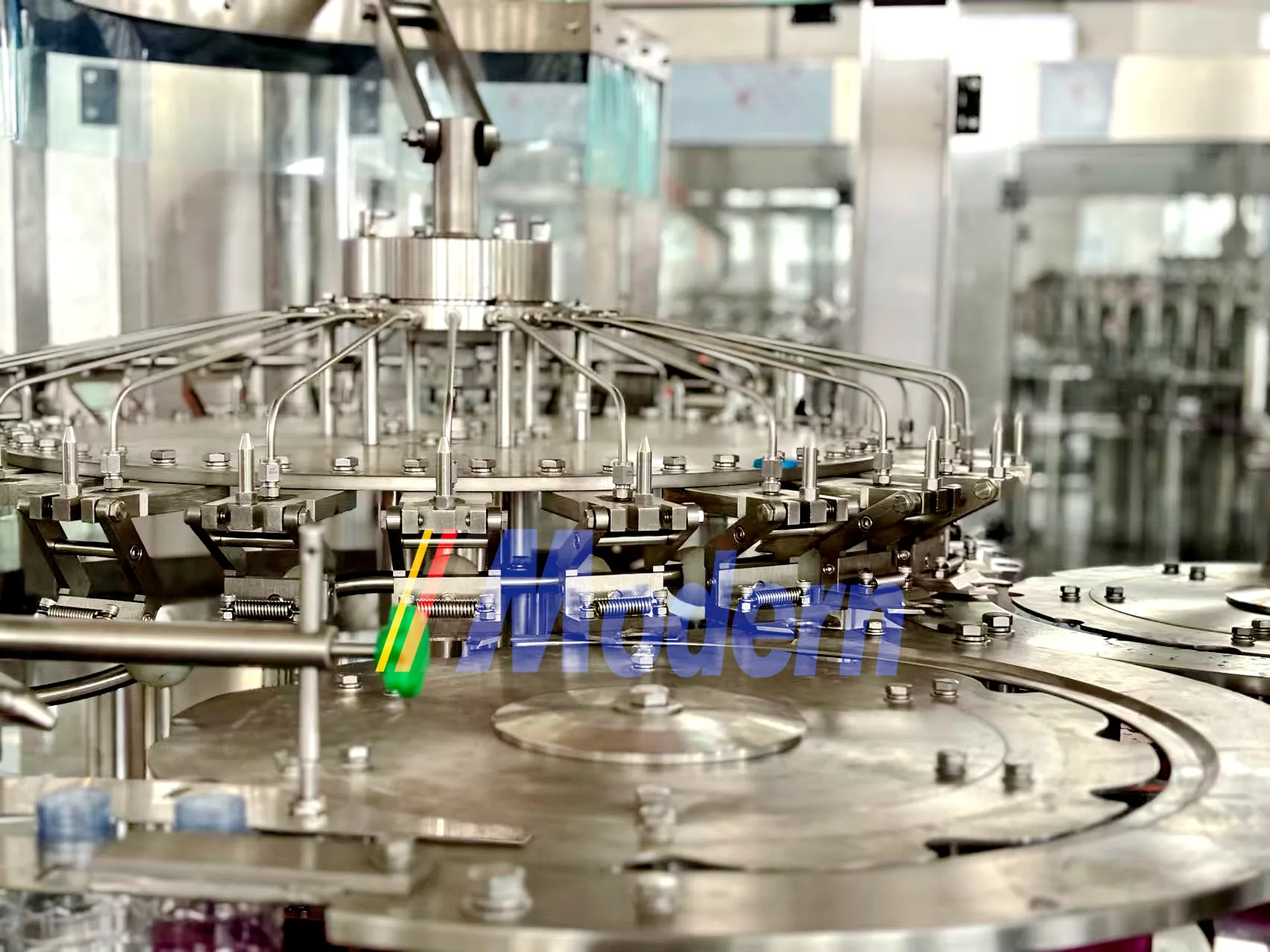
Технология очистки воды является критически важным фактором, влияющим на качество напитков в различных отраслях по всему миру. От безалкогольных до алкогольных напитков — качество и вкус конечного продукта в значительной степени зависят от чистоты и состава воды, используемой в производственном процессе. В этой статье мы подробно рассмотрим, как технология очистки воды влияет на качество напитков, и изучим ключевые аспекты, связанные с этим важным процессом.
Понимание роли воды в производстве напитков
Вода является фундаментальным компонентом в производстве напитков, составляя значительную часть конечного продукта. Ее качество напрямую влияет на вкус, аромат, цвет и общее впечатление потребителя. Примеси в воде, такие как минералы, химические вещества или микроорганизмы, могут существенно изменить органолептические характеристики напитка, приводя к появлению посторонних привкусов, помутнению или даже рискам для здоровья.
Значение технологии очистки воды
Технология очистки воды играет жизненно важную роль в обеспечении стабильности, безопасности и чистоты воды, используемой в производстве напитков. Используя передовые методы фильтрации, обработки и санитарной очистки, производители могут устранить загрязнения и нежелательные вещества, защищая целостность своей продукции.
Аспекты очистки воды для качества напитков
1. Стабильность: Поддержание стабильного качества воды необходимо для достижения единообразия в производстве напитков. Технологии очистки помогают стабилизировать параметры воды, гарантируя, что каждая партия соответствует заданным стандартам.
2. Вкус и аромат: Чистота воды напрямую влияет на вкусоароматический профиль напитков. Удаляя примеси, технологии очистки улучшают чистоту и свежесть вкуса, что делает напиток более приятным для употребления.
3. Безопасность и соответствие требованиям: Соблюдение нормативных стандартов качества воды имеет первостепенное значение в индустрии напитков. Технологии очистки помогают соответствовать гигиеническим требованиям и нормам безопасности, предотвращая потенциальные угрозы здоровью и нарушения законодательства.
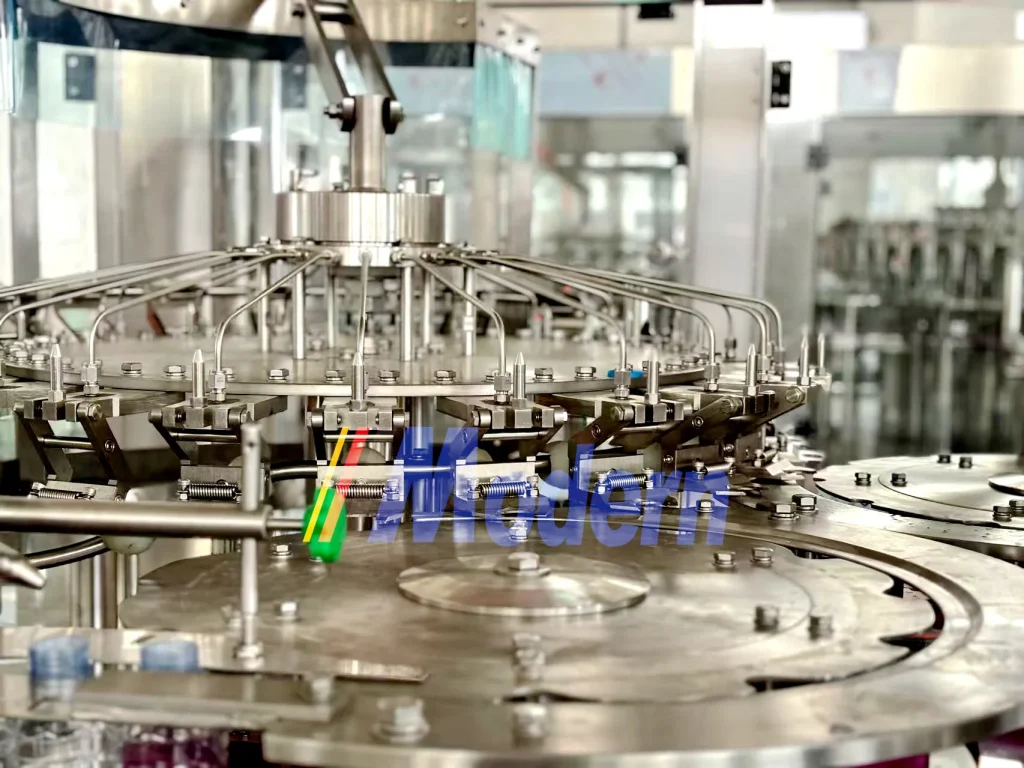
Практическое применение технологий очистки воды
В производстве напитков обычно используются несколько технологий очистки воды, каждая из которых отвечает конкретным потребностям и задачам. К таким технологиям относятся:
1. Обратный осмос (RO)
Системы обратного осмоса эффективно удаляют из воды растворенные твердые вещества, органические соединения и микроорганизмы, обеспечивая высокий уровень чистоты и прозрачности, что идеально подходит для таких чувствительных напитков, как бутилированная вода и соки.
2. Ультрафиолетовое (УФ) обеззараживание
УФ-обеззараживание используется для уничтожения бактерий, вирусов и других патогенов, присутствующих в воде, без изменения ее химического состава, что делает его предпочтительным выбором для обеспечения микробиологической безопасности напитков.
3. Угольная фильтрация
Системы угольной фильтрации отлично удаляют из воды хлор, запахи и нежелательные привкусы, улучшая общее качество и вкусовой профиль таких напитков, как кофе и чай.
Рекомендации по оптимизации качества напитков
Производители, стремящиеся повысить качество своих напитков с помощью технологий очистки воды, могут воспользоваться следующими рекомендациями:
1. Индивидуальные решения
Адаптация систем очистки воды к конкретным требованиям к напиткам позволяет оптимизировать качество и минимизировать производственные затраты, обеспечивая конкурентное преимущество на рынке.
2. Мониторинг и техническое обслуживание
Регулярный мониторинг качества воды и техническое обслуживание оборудования для очистки имеют решающее значение для поддержания качества напитков с течением времени, предотвращая любые отклонения или риски загрязнения.
3. Инновации и устойчивое развитие
Изучение инновационных технологий очистки и методов устойчивого развития не только улучшает качество напитков, но и соответствует предпочтениям потребителей в отношении экологически чистых продуктов.
Заключение
Технология очистки воды служит краеугольным камнем в производстве высококачественных напитков, влияя на вкус, безопасность и удовлетворенность потребителей. Понимая влияние качества воды на свойства напитков и внедряя передовые решения по очистке, производители могут эффективно совершенствовать свою продукцию, чтобы соответствовать растущим требованиям отрасли.
Поскольку сектор напитков продолжает развиваться, инвестиции в технологию очистки воды остаются стратегической необходимостью для обеспечения превосходства продукции и доверия потребителей в условиях конкурентного рынка.


