
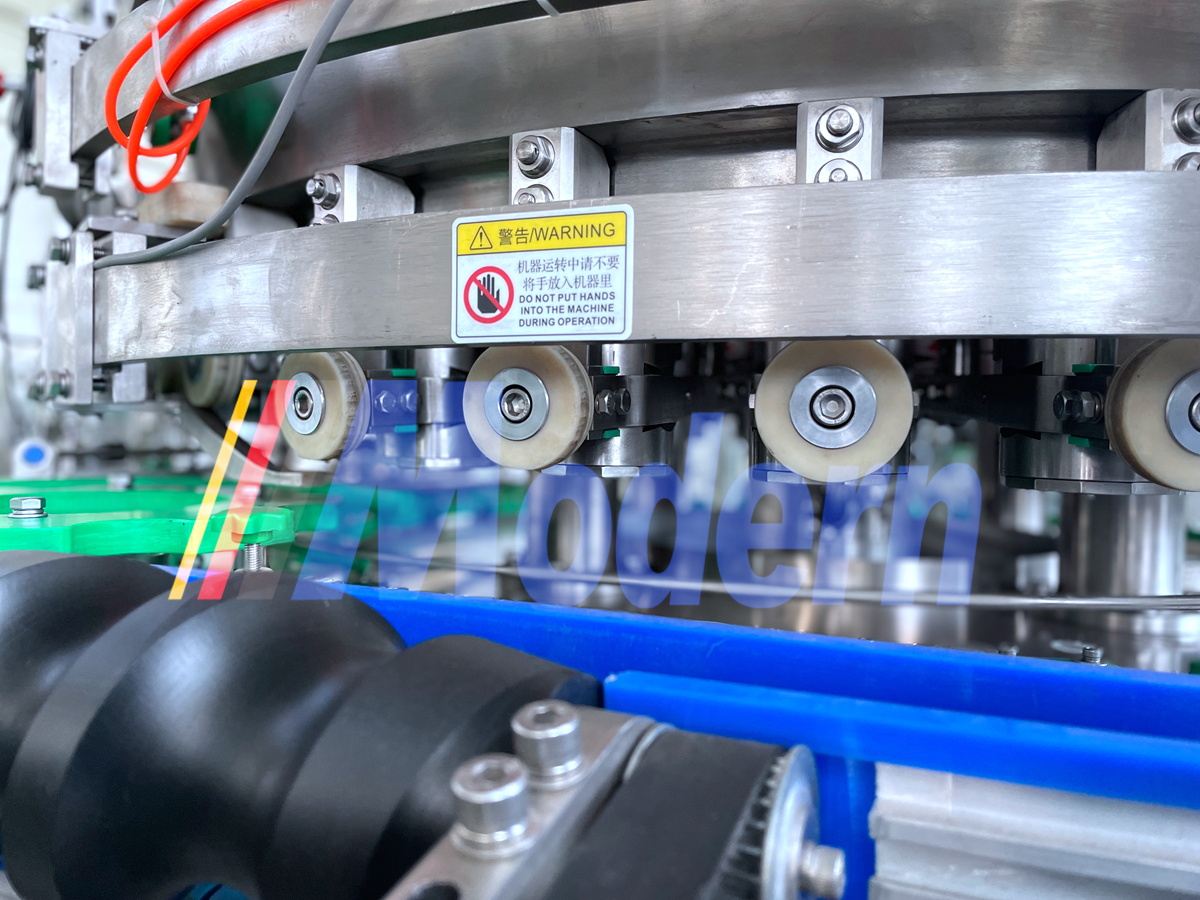
Газированные напитки популярны во всем мире, и огромный рынок требует качества и стабильности в каждой бутылке или банке. Пенообразование и проливы в процессе розлива могут привести не только к потере продукта, но и повлиять на общую эффективность производственных линий. В этой статье мы рассмотрим эффективные стратегии по уменьшению пенообразования и проливов при розливе газированных напитков, что обеспечит более плавную работу и высокое качество продукции.
Научные основы пенообразования в газированных напитках
Понимание научных основ пенообразования в газированных напитках имеет решающее значение для эффективного решения этой проблемы. Когда газированные напитки подвергаются взбалтыванию или перепадам давления, из жидкости высвобождается углекислый газ, что приводит к образованию пены. Такие факторы, как температура, давление и физические свойства жидкости, могут влиять на степень пенообразования.
Оптимизация оборудования и процессов розлива
Одной из ключевых стратегий по уменьшению пенообразования и проливов является оптимизация оборудования и процессов розлива. Вот несколько практических шагов, которые стоит рассмотреть:
1. Правильная калибровка и техническое обслуживание
Убедитесь, что оборудование для розлива правильно откалибровано и находится в исправном состоянии, чтобы предотвратить утечки, неравномерный розлив и чрезмерное пенообразование. Регулярные графики технического обслуживания и проверки помогут своевременно выявлять и устранять проблемы.
2. Контроль давления и температуры
Поддерживайте стабильное давление и температуру на протяжении всего процесса розлива, чтобы минимизировать образование пены. Регуляторы давления и системы контроля температуры помогут добиться более точного управления этими переменными.
Учет состава и рецептуры
Еще один аспект, который следует учитывать при уменьшении пенообразования и проливов, — это состав самого газированного напитка. Ингредиенты и рецептуры могут существенно влиять на пенообразование. Вот как можно оптимизировать этот аспект:
1. Использование пеногасителей
В рецептуры газированных напитков можно добавлять пеногасители для уменьшения образования пены. Эти вещества работают за счет дестабилизации структуры пены, что приводит к ее более быстрому оседанию и уменьшению проливов во время розлива.
2. Регулировка уровня карбонизации
Оптимизация уровня карбонизации напитка также может помочь минимизировать пенообразование. Тонкая настройка процесса карбонизации в соответствии с конкретной рецептурой напитка может привести к более плавному процессу розлива.
Обучение операторов и контроль качества
Обеспечение надлежащего обучения операторов и соблюдение ими передовых методов работы имеют важное значение для уменьшения пенообразования и проливов при розливе. Меры контроля качества также могут помочь выявить и устранить проблемы до того, как они повлияют на производство. Вот несколько советов:
1. Правильные методы обращения с оборудованием
Обучите операторов правильному обращению с оборудованием для розлива и важности поддержания стабильного и контролируемого процесса. Минимизация резких движений и ударов поможет уменьшить образование пены.
2. Внедрение проверок качества
Регулярные проверки качества в процессе розлива помогут обнаружить проблемы на ранней стадии. Мониторинг уровня пены, уровня наполнения и стабильности продукта гарантирует, что каждая бутылка или банка соответствует стандартам качества перед упаковкой.
Заключение
Уменьшение пенообразования и проливов при розливе газированных напитков — это многогранная задача, требующая сочетания оптимизации оборудования, корректировки рецептуры, обучения операторов и мер контроля качества. Внедряя стратегии, описанные в этой статье, производители напитков могут повысить эффективность производства, сократить потери продукта и поставлять потребителям по всему миру высококачественные газированные напитки.


