
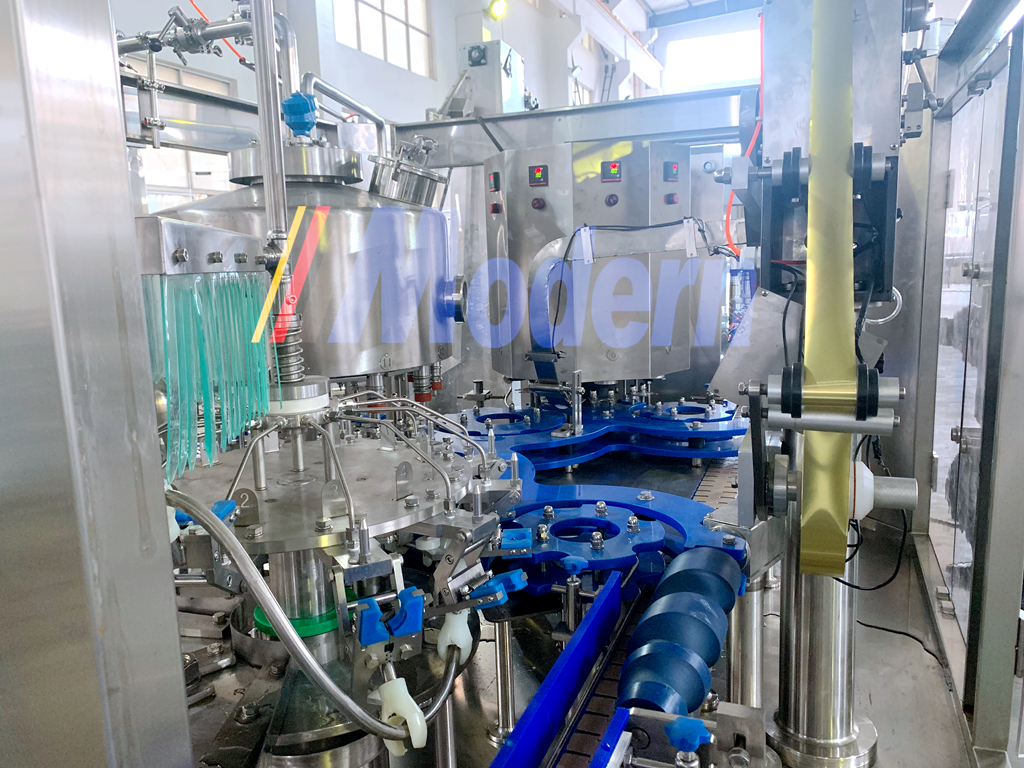
В динамичном мире производства пищевых масел оптимизация скорости розлива имеет первостепенное значение для повышения производительности, снижения затрат и удовлетворения рыночного спроса. Эффективные процессы розлива не только обеспечивают стабильное качество продукции, но и влияют на всю цепочку поставок. Чтобы оптимизировать операции по розливу пищевых масел, рассмотрите возможность внедрения следующих стратегий и передовых методов.
Понимание важности скорости розлива
Эффективная скорость розлива играет решающую роль в достижении производственных целей и обеспечении своевременных поставок. Повышение скорости розлива может напрямую повлиять на производственные мощности, затраты на оплату труда и удовлетворенность клиентов. Оптимизируя этот аспект производственного процесса, производители могут получить конкурентное преимущество на рынке.
Факторы, влияющие на скорость розлива
На скорость розлива пищевых масел влияют несколько факторов, в том числе:
Вязкость масла
Вязкость масла напрямую влияет на скорость потока во время розлива. Для масел с более высокой вязкостью может потребоваться специализированное оборудование и настройки для достижения оптимальной скорости розлива.
Размер и форма контейнера
Конструкция контейнера может влиять на скорость розлива. Неправильная форма или узкие горлышки могут замедлить процесс, что приведет к неэффективности.
Оборудование для розлива
Тип и состояние оборудования для розлива играют значительную роль в определении скорости и точности процесса розлива. Регулярное техническое обслуживание и калибровка необходимы для обеспечения оптимальной производительности.
Стратегии повышения скорости розлива
Инвестируйте в автоматизированные системы розлива
Автоматизированные системы розлива могут значительно повысить скорость и точность розлива за счет минимизации человеческого фактора и максимизации эффективности. Рассмотрите возможность модернизации оборудования для розлива, чтобы оптимизировать ваши операции.
Оптимизируйте параметры розлива
Регулировка параметров розлива, таких как объем, скорость и давление, может помочь повысить общую эффективность процесса. Проводите регулярное тестирование и точную настройку этих параметров для достижения оптимальных результатов.
Внедрите меры контроля качества
Включите проверки контроля качества на различных этапах процесса розлива, чтобы оперативно выявлять и устранять любые проблемы. Регулярные методы обеспечения качества могут предотвратить возникновение «узких мест» и обеспечить стабильное качество продукции.
Преимущества оптимизации скорости розлива
Оптимизируя скорость розлива пищевых масел, производители могут получить ряд преимуществ, включая:
Увеличение производственной мощности
Эффективные процессы розлива могут помочь увеличить производственные мощности, позволяя производителям удовлетворять растущий спрос и эффективно масштабировать свои операции.
Экономия затрат
Повышение скорости розлива может привести к экономии затрат за счет снижения потребности в рабочей силе и минимизации потерь продукта. Повышая эффективность, производители могут достичь более высокой прибыльности.
Улучшение качества продукции
Оптимизация скорости розлива может привести к более точному и стабильному наполнению, что повышает качество продукции и удовлетворенность клиентов. Стабильность розлива также помогает поддерживать репутацию бренда.
Заключение
Оптимизация скорости розлива пищевых масел — это стратегический шаг, который может оказать существенное влияние на общую производительность, экономическую эффективность и удовлетворенность клиентов. Понимая факторы, влияющие на скорость розлива, и внедряя правильные стратегии, производители могут улучшить свои операции и оставаться конкурентоспособными на рынке.
Помните, что постоянный мониторинг, регулярное техническое обслуживание и ориентация на постоянное совершенствование являются ключом к достижению и поддержанию оптимальной скорости розлива в долгосрочной перспективе.


