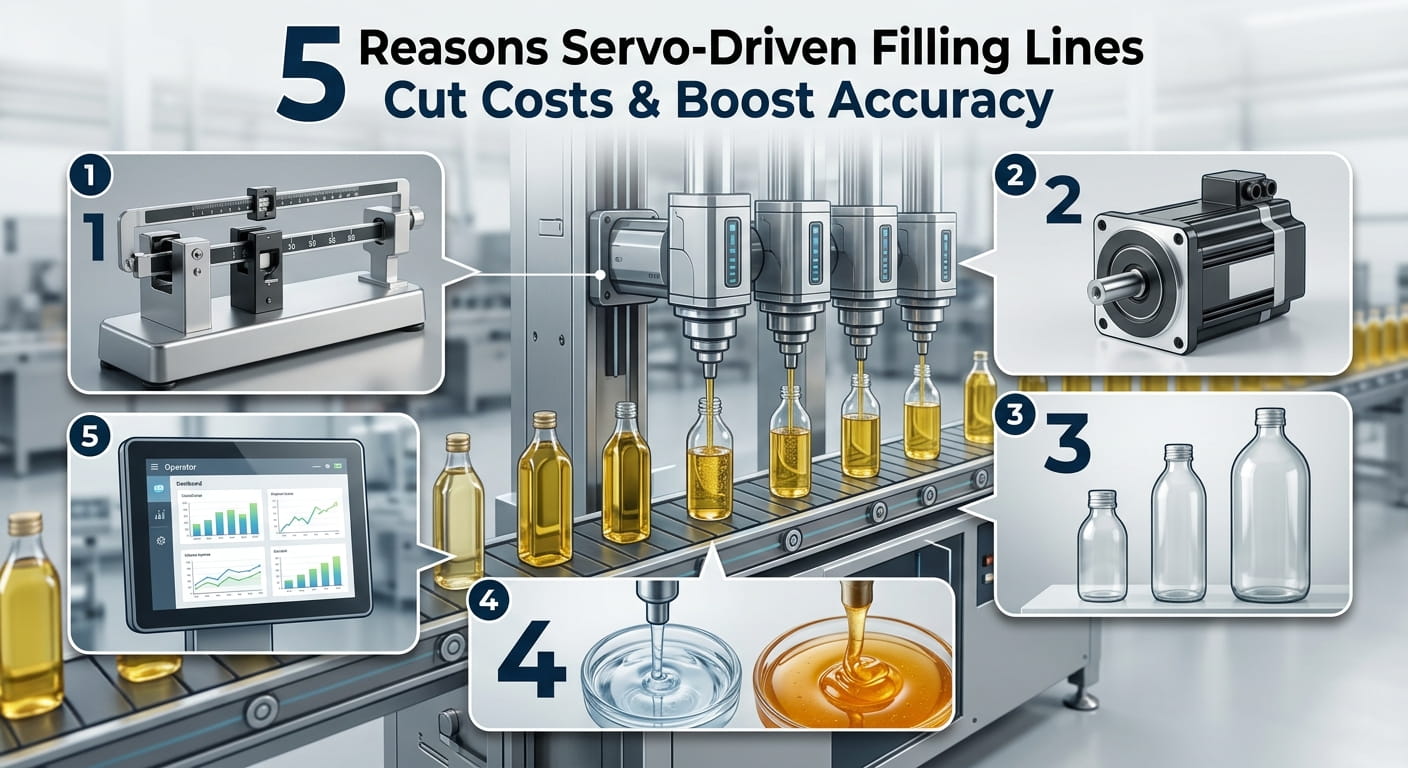

Окисление при розливе пива — распространенная проблема, которая может существенно повлиять на качество и вкус вашего напитка. Чтобы обеспечить свежесть и стабильность пива, крайне важно принимать упреждающие меры для предотвращения окисления на всех этапах процесса розлива. В этом подробном руководстве мы разберем различные аспекты окисления при розливе пива и предоставим практические советы и стратегии, которые помогут вам избежать этого негативного процесса.
Важность предотвращения окисления при розливе пива
Окисление пива происходит при контакте напитка с кислородом, что запускает химические реакции, способные изменить вкус, аромат и стабильность продукта. К распространенным признакам окисления относятся привкус картона, ослабление хмелевого аромата и потеря свежести. Чтобы сохранить качество пива и обеспечить положительный потребительский опыт, крайне важно предотвращать окисление на всех этапах процесса пивоварения и розлива.

Факторы, способствующие окислению
Несколько факторов могут способствовать окислению пива при розливе, в том числе:
1. Воздействие кислорода
Воздействие кислорода — основная причина окисления пива. При розливе крайне важно минимизировать контакт пива с кислородом, чтобы предотвратить начало процесса окисления. Это включает использование упаковочных материалов с барьерными свойствами против кислорода, а также внедрение эффективных процессов наполнения и укупорки.
2. Колебания температуры
Перепады температуры могут ускорить процесс окисления пива. Важно хранить пиво при постоянной оптимальной температуре на всех этапах розлива и хранения, чтобы избежать негативных последствий окисления, вызванного температурными факторами.
3. Воздействие света
Ультрафиолетовое (УФ) излучение также может способствовать окислению пива, приводя к появлению посторонних привкусов и ароматов. Для предотвращения светового окисления рекомендуется использовать бутылки из темного или цветного стекла, которые обеспечивают защиту от УФ-лучей.
Эффективные стратегии предотвращения окисления
Чтобы избежать окисления при розливе пива, рассмотрите возможность внедрения следующих стратегий:
1. Продувка оборудования углекислым газом (CO2)
Перед розливом убедитесь, что все оборудование, включая танки, линии и бутылки, тщательно продуто углекислым газом (CO2) для вытеснения кислорода. Это создаст бескислородную среду и снизит риск окисления во время наполнения.
2. Минимизация свободного пространства в бутылке
При розливе пива старайтесь минимизировать свободное пространство (headspace) в бутылке, чтобы уменьшить количество кислорода, контактирующего с пивом. Наполнение бутылок до нужного уровня и удаление излишков воздуха помогут сохранить свежесть пива и предотвратить окисление.
3. Использование поглощающих кислород крышек
Рассмотрите возможность использования крышек с поглотителем кислорода при розливе. Такие крышки разработаны для поглощения остаточного кислорода в бутылке, что дополнительно снижает риск окисления со временем и продлевает срок хранения пива.
4. Внедрение эффективных методов укупорки
Убедитесь, что бутылки должным образом герметизированы после наполнения, чтобы предотвратить попадание кислорода внутрь. Используйте надежные укупорочные машины и методы для создания плотного соединения, которое защитит пиво от окисления во время хранения и транспортировки.
Мониторинг и контроль качества
Регулярный мониторинг и меры контроля качества необходимы для обеспечения эффективного предотвращения окисления при розливе пива. Рассмотрите возможность внедрения следующих практик:
1. Проведение анализа содержания кислорода
Регулярно проверяйте уровень кислорода в пиве во время и после розлива, чтобы выявить потенциальные источники окисления. Мониторинг содержания кислорода поможет вам точно определить области для улучшения и гарантировать, что ваше пиво остается защищенным от кислорода.
2. Сенсорная оценка
Организуйте сенсорную оценку пива для выявления любых признаков окисления, таких как посторонние привкусы или ароматы. Привлеките группу опытных дегустаторов для получения ценных отзывов о качестве пива и обеспечения защиты от окисления.
3. Условия хранения
Оптимизируйте условия хранения бутилированного пива, поддерживая прохладную, темную и стабильную среду. Избегайте воздействия прямых солнечных лучей или экстремальных температур, так как эти факторы могут ускорить окисление и ухудшить качество пива.
Заключение
Предотвращение окисления при розливе пива имеет решающее значение для сохранения качества, вкуса и срока годности вашего напитка. Понимая факторы, способствующие окислению, и применяя эффективные стратегии профилактики, вы можете гарантировать, что ваше пиво попадет к потребителям в оптимальном состоянии. Внедрение надлежащих методов обращения, хранения и мониторинга поможет защитить пиво от вредного воздействия окисления и повысить общее впечатление потребителей.