
Выбор между автоматическими и полуавтоматическими машинами для розлива воды — это критически важное решение в производственном процессе любого предприятия по розливу или упаковке воды. Оба типа оборудования обладают уникальными преимуществами и недостатками, которые могут существенно повлиять на эффективность, время производства и общие затраты. Понимание различий между этими двумя типами машин необходимо для принятия обоснованного решения, соответствующего вашим производственным целям и требованиям.
Автоматические машины для розлива воды
Автоматические машины для розлива воды предназначены для оптимизации производственного процесса, обеспечивая высокую скорость и точность розлива. Эти машины оснащены передовыми технологиями, включая датчики, программируемые логические контроллеры (ПЛК) и сенсорные интерфейсы, что гарантирует точность и эффективность операций розлива. Автоматические машины способны обрабатывать большие объемы бутылок в час, что делает их идеальными для высокопроизводительных линий.
Одним из главных преимуществ автоматических машин для розлива воды является возможность минимизировать вмешательство человека, что снижает риск ошибок и несоответствий в процессе розлива. Их можно запрограммировать на розлив до точного уровня, обеспечивая единообразие и качество всей продукции. Кроме того, автоматические машины часто оснащены механизмами самоочистки, что сокращает время простоя для технического обслуживания и санитарной обработки.
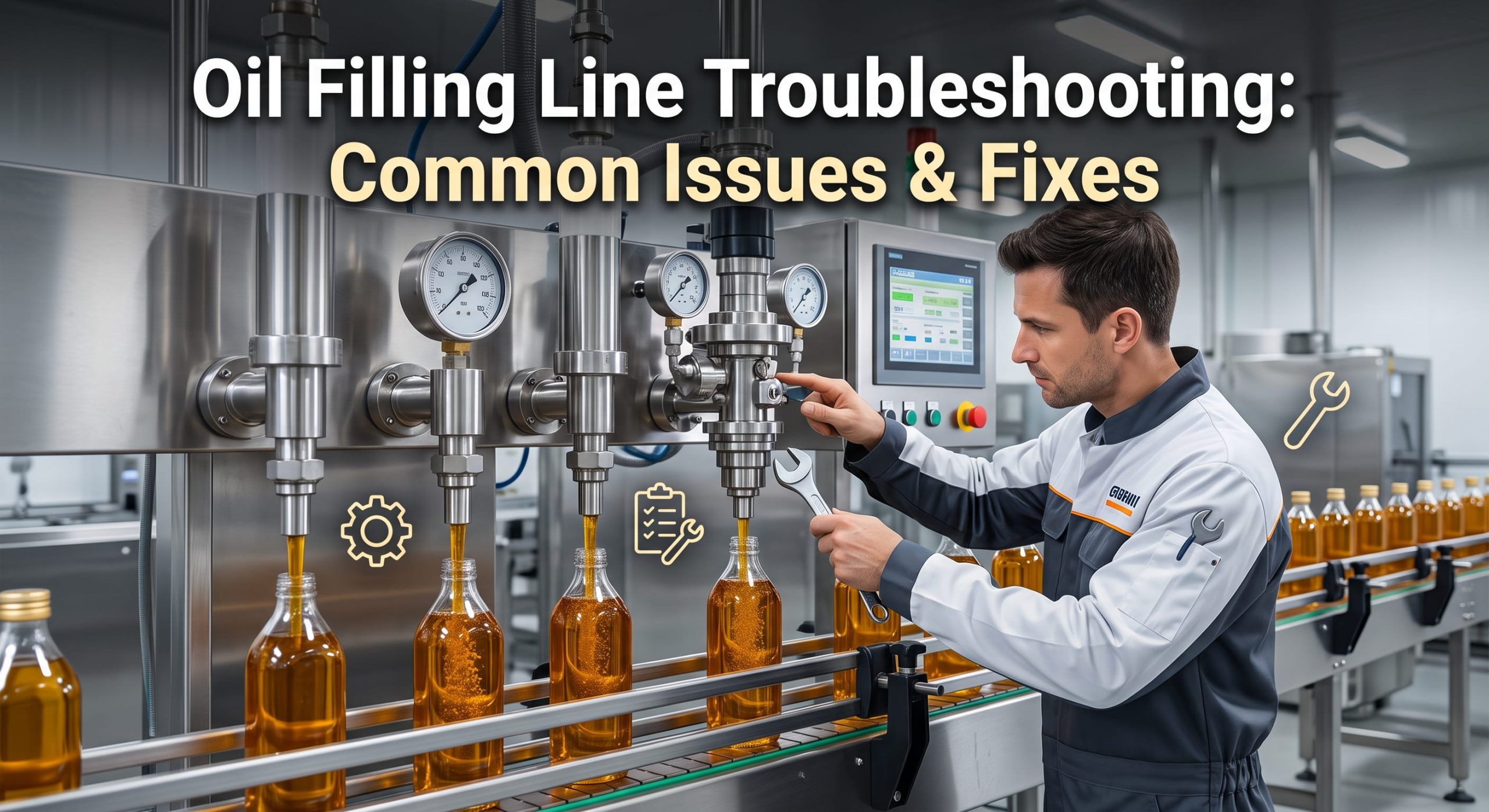
Однако автоматические машины для розлива воды требуют более высоких первоначальных инвестиций по сравнению с полуавтоматическими. Они также нуждаются в регулярном обслуживании квалифицированными специалистами для обеспечения оптимальной производительности. Хотя скорость и эффективность автоматических машин могут повысить общую продуктивность, необходимо учитывать затраты, связанные с их обслуживанием и ремонтом.
Полуавтоматические машины для розлива воды
Полуавтоматические машины для розлива воды представляют собой более экономичное решение для мелкосерийного производства. Эти машины требуют определенного уровня ручного вмешательства, например, при подаче бутылок и укупорке, но сам процесс розлива автоматизирован. Полуавтоматические машины универсальны и легко настраиваются под разные размеры бутылок и объемы розлива.
Одним из ключевых преимуществ полуавтоматических машин для розлива воды является их гибкость и простота в эксплуатации. Они хорошо подходят для предприятий с колеблющимся спросом или для тех, кто хочет протестировать новые продукты перед переходом на автоматические линии. Полуавтоматические машины также проще в обслуживании и ремонте, так как они имеют меньше сложных компонентов по сравнению с автоматическими.
Однако производительность полуавтоматических машин ниже, чем у автоматических, поскольку они зависят от ручного труда при выполнении определенных задач. Это может привести к снижению скорости производства и потенциально более высоким затратам на оплату труда. Кроме того, точность розлива полуавтоматических машин может варьироваться в зависимости от навыков и последовательности действий оператора.
Выбор подходящей машины для ваших производственных нужд
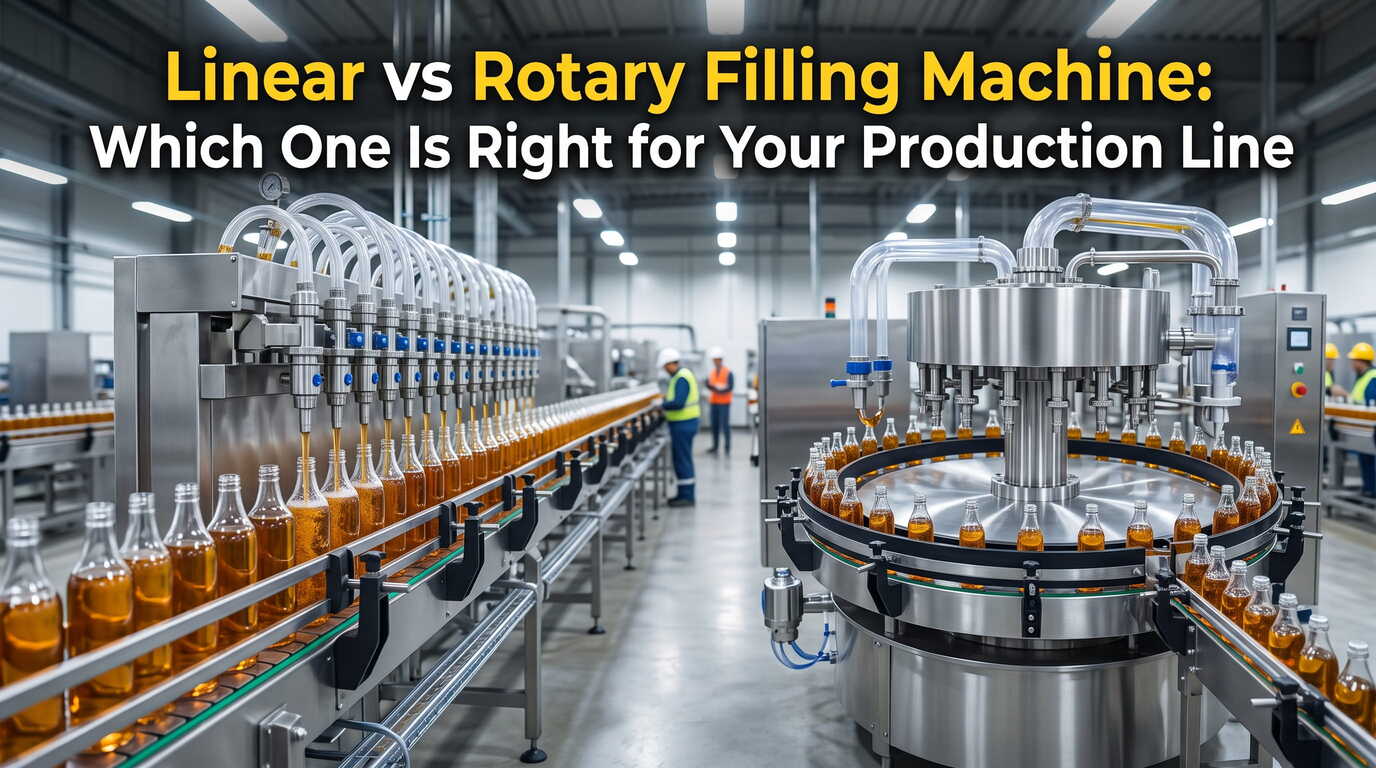
При выборе между автоматическими и полуавтоматическими машинами для розлива воды необходимо учитывать несколько факторов, чтобы определить, какой вариант лучше подходит для ваших производственных нужд:
Объем производства
Если ваш бизнес требует крупносерийного производства и работает в больших масштабах, автоматическая машина для розлива воды может стать наиболее эффективным выбором. Автоматические машины могут значительно увеличить объем выпуска продукции и оптимизировать операции для достижения стабильных и качественных результатов.
Гибкость и адаптивность
Для предприятий с меняющимися производственными потребностями или тех, кто ищет более гибкое решение, предпочтительнее может быть полуавтоматическая машина для розлива воды. Эти машины предлагают большую универсальность в работе с различными размерами бутылок и объемами розлива, что делает их идеальными для компаний с разнообразным ассортиментом продукции.
Вопросы стоимости
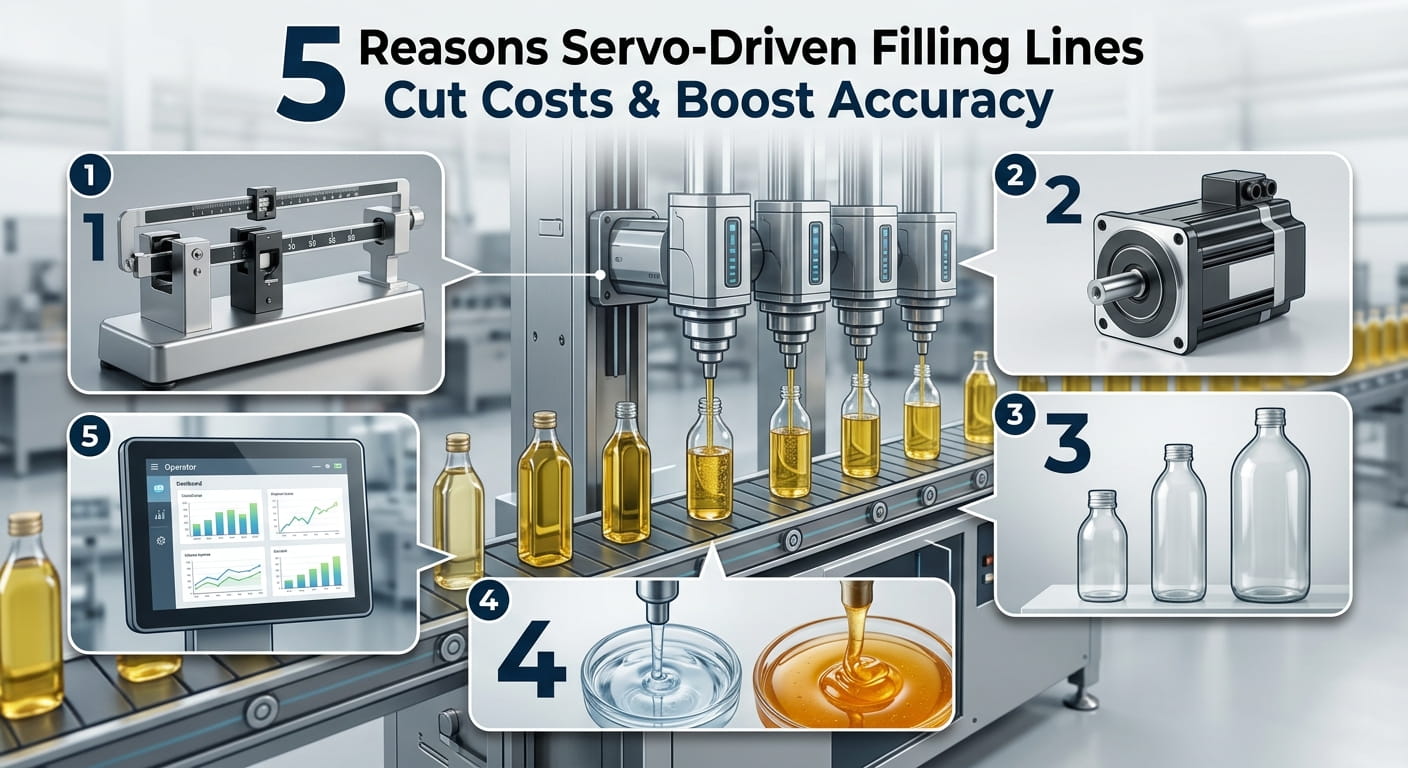
Хотя автоматические машины обеспечивают повышенную скорость и эффективность, они требуют более высоких первоначальных затрат и расходов на текущее обслуживание. Учитывайте свои бюджетные ограничения и долгосрочные прогнозы затрат при выборе между автоматическими и полуавтоматическими машинами, чтобы инвестиции соответствовали вашим финансовым целям.
Контроль качества
Как автоматические, так и полуавтоматические машины могут обеспечить стабильную точность розлива при надлежащем обслуживании и эксплуатации. Учитывайте свои требования к контролю качества и уровень точности, необходимый для вашей продукции, чтобы выбранная машина соответствовала вашим стандартам качества.
Заключение
В конечном итоге выбор между автоматическими и полуавтоматическими машинами для розлива воды зависит от ваших конкретных производственных требований, бюджетных ограничений и долгосрочных целей. Тщательно оценив преимущества и недостатки каждого типа оборудования, вы сможете сделать обоснованный выбор, который оптимизирует эффективность, производительность и общую прибыльность вашего предприятия по розливу или упаковке воды.
Не забудьте тщательно изучить и сравнить различные модели и производителей, чтобы найти машину, которая соответствует вашим уникальным потребностям и бюджету. Независимо от того, выберете ли вы автоматическую или полуавтоматическую машину, уделяйте первостепенное внимание регулярному техническому обслуживанию и обучению персонала, чтобы обеспечить оптимальную производительность и качество продукции в вашем производственном процессе.