
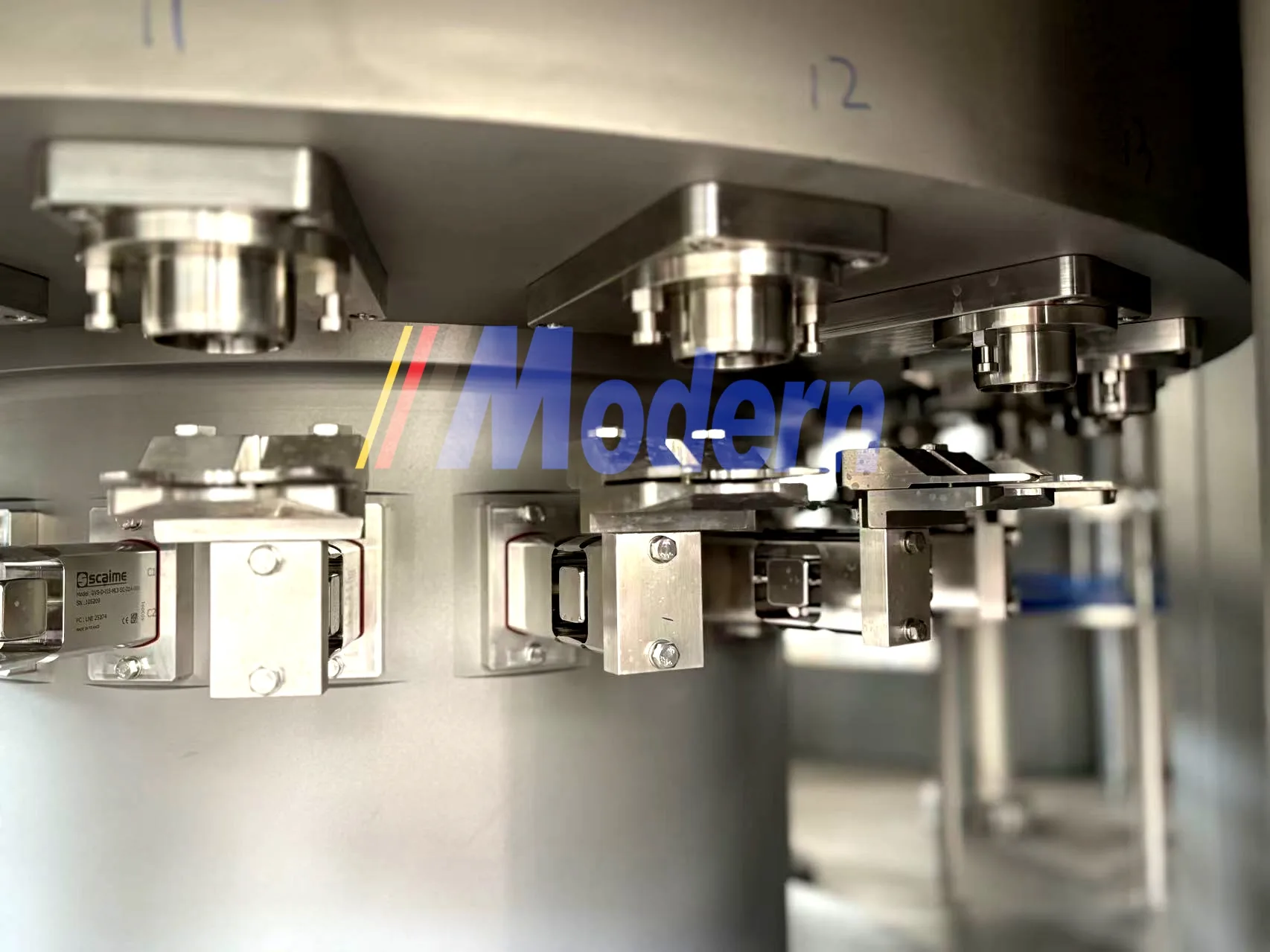
По мере того как индустрия напитков продолжает развиваться и внедрять инновации, эффективность и скорость становятся решающими факторами производственных процессов. Автоматические машины для розлива сока стали настоящим прорывом в отрасли, предлагая значительные преимущества с точки зрения производительности и экономической эффективности. В этом подробном руководстве мы анализируем текущую ситуацию на рынке автоматических линий розлива сока и предоставляем прогнозы по ценовым тенденциям на 2025 год. Независимо от того, являетесь ли вы производителем, дистрибьютором или просто интересуетесь этой технологией, данная статья поможет вам уверенно ориентироваться на рынке.
Преимущества автоматических машин для розлива сока
Автоматические машины для розлива сока предназначены для оптимизации процесса розлива, обеспечивая эффективность и стабильность производства. Эти машины обладают рядом преимуществ, включая:
- Повышение производительности: Автоматизация значительно увеличивает скорость производства, позволяя достичь более высоких объемов выпуска за меньшее время.
- Точность и аккуратность: Автоматизированные системы розлива обеспечивают точную дозировку, сокращая количество отходов и гарантируя качество продукта.
- Экономическая эффективность: Несмотря на то, что первоначальные инвестиции могут быть значительными, долгосрочная экономия на затратах на рабочую силу и повышение эффективности делают автоматические машины для розлива сока экономически выгодным решением.
- Гигиена и безопасность: Эти машины разработаны с учетом строгих гигиенических требований, что снижает риск загрязнения и обеспечивает безопасность продукта.
- Универсальность: Автоматические машины для розлива сока могут работать с бутылками различных размеров и форм, обеспечивая гибкость производства.
Факторы, влияющие на цены автоматических машин для розлива сока
При рассмотрении стоимости автоматических машин для розлива сока в игру вступают несколько факторов. Понимание этих аспектов поможет вам принять обоснованное решение и выбрать машину, соответствующую вашим производственным требованиям и бюджету. К числу ключевых факторов, влияющих на цену, относятся:
- Производительность: Производственная мощность машины является важным фактором, определяющим ее цену. Машины с более высокой производительностью обычно стоят дороже.
- Уровень автоматизации: Степень автоматизации машины, например, наличие функций автоматического укупоривания и этикетирования, влияет на стоимость. Более продвинутые возможности автоматизации могут привести к увеличению цены.
- Материал конструкции: Качество материалов, используемых при изготовлении машины, например, нержавеющая сталь, может повлиять на цену из-за требований к долговечности и гигиене.
- Бренд и репутация: Известные бренды с репутацией качественных и надежных производителей могут предлагать оборудование по более высокой цене.
- Дополнительные функции: Дополнительные опции, такие как системы очистки, встроенные датчики и возможности удаленного мониторинга, могут увеличить общую стоимость машины.
Ценовые тенденции и прогнозы на 2025 год
Прогнозирование ценовых тенденций на автоматические машины для розлива сока в 2025 году требует учета различных рыночных факторов и технологических достижений. Хотя колебания цен могут происходить из-за изменения стоимости сырья, динамики спроса и предложения, а также технологических инноваций, общая тенденция направлена на повышение эффективности и оптимизацию затрат. Некоторые прогнозы на 2025 год включают:
Повышение уровня автоматизации
Благодаря достижениям в области технологий автоматизации, будущее машин для розлива сока, вероятно, будет связано с более широкой интеграцией возможностей ИИ и IoT. Ожидается, что эта расширенная автоматизация позволит еще больше оптимизировать производственные процессы и может повлиять на цены на оборудование.
Акцент на устойчивое развитие
Поскольку экологические проблемы продолжают влиять на отраслевые практики, производители автоматических машин для розлива сока, вероятно, сосредоточатся на разработке экологически устойчивых решений. Хотя первоначальные затраты на экологичное оборудование могут быть выше, долгосрочные выгоды в виде ресурсоэффективности и соблюдения нормативных требований могут оправдать цену.
Кастомизация и гибкость
Ожидается, что производители предложат больше возможностей для кастомизации и гибкости конфигураций машин, чтобы удовлетворить разнообразные производственные потребности. Эта повышенная гибкость может повлиять на структуру ценообразования, поскольку машины будут все более адаптироваться к конкретным требованиям.
Выбор подходящей автоматической машины для розлива сока
При выборе автоматической машины для розлива сока для вашей производственной линии важно учитывать ваши конкретные требования, бюджетные ограничения и долгосрочные цели. Вот несколько практических советов, которые помогут вам принять обоснованное решение:
Проведите оценку потребностей
Начните с оценки объема производства, спецификаций продукта и прогнозов будущего роста. Эта оценка поможет вам определить необходимую производительность и функции машины для розлива.
Сравните предложения нескольких поставщиков
Изучите и сравните предложения от различных поставщиков, чтобы оценить цены, послепродажную поддержку и возможности оборудования. Ищите поставщиков с подтвержденной репутацией надежности и удовлетворенности клиентов.
Запросите демонстрации и образцы
Перед покупкой запросите демонстрации и образцы у потенциальных поставщиков, чтобы протестировать производительность машины, простоту использования и совместимость с вашей продукцией.
Учитывайте совокупную стоимость владения
Помимо первоначальной цены покупки, при расчете совокупной стоимости владения за весь жизненный цикл машины учитывайте затраты на техническое обслуживание, наличие запасных частей и энергопотребление.
Заключение
Автоматические машины для розлива сока предлагают трансформационное решение для производителей напитков, стремящихся повысить эффективность, качество и экономическую рентабельность. Понимая факторы, влияющие на цены, оставаясь в курсе рыночных тенденций и следуя структурированному подходу к выбору оборудования, вы сможете принять взвешенное решение, соответствующее вашим производственным целям. По мере развития отрасли и технологий внедрение автоматизации в процессы розлива сока поможет обеспечить успех вашего бизнеса в 2025 году и в последующий период.


