
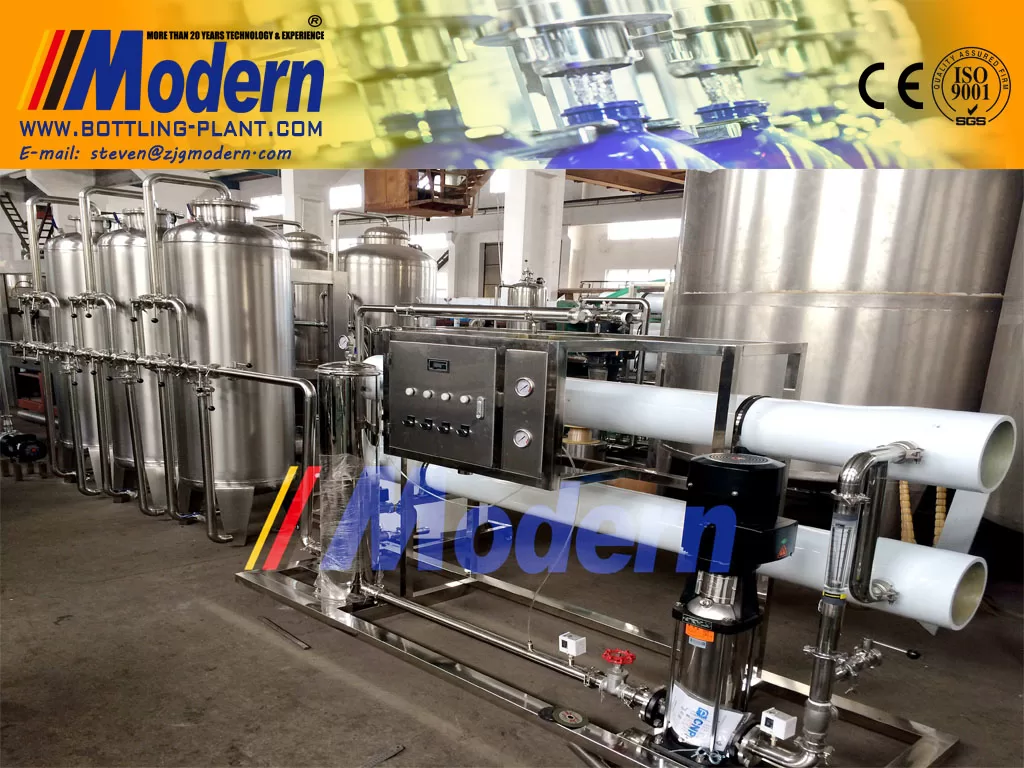
La tecnología de tratamiento de agua desempeña un papel crucial para garantizar el acceso a agua limpia y segura para el consumo, los procesos industriales, la agricultura y otros fines. Esta tecnología abarca una serie de procesos y métodos destinados a eliminar impurezas y contaminantes del agua, haciéndola adecuada para aplicaciones específicas. En esta guía completa, exploraremos los diversos aspectos de la tecnología de tratamiento de agua, su importancia, los diferentes métodos y las prácticas sostenibles.
La importancia del tratamiento de agua
El acceso a agua limpia y segura es esencial para la salud humana, la sostenibilidad ambiental y el desarrollo económico. El agua contaminada puede albergar patógenos, productos químicos y contaminantes nocivos que representan graves riesgos para la salud cuando se consumen o se utilizan para diversas actividades. La tecnología de tratamiento de agua ayuda a mitigar estos riesgos eliminando eficazmente los contaminantes y garantizando que el agua cumpla con las normas reglamentarias de calidad y seguridad.
Objetivos clave del tratamiento de agua
La tecnología de tratamiento de agua tiene como objetivo alcanzar varios objetivos clave, entre ellos:
- Eliminación de sólidos en suspensión
- Eliminación de patógenos y bacterias nocivas
- Reducción de contaminantes químicos
- Equilibrio de los niveles de pH
- Prevención de la formación de incrustaciones
Métodos de tratamiento de agua
Existen diversos métodos y procesos utilizados en la tecnología de tratamiento de agua, cada uno diseñado para atacar tipos específicos de contaminantes y alcanzar los estándares de calidad de agua deseados. Algunos métodos comunes incluyen:
1. Filtración
Uno de los métodos más utilizados, la filtración consiste en hacer pasar el agua a través de materiales porosos como arena, carbón activado o membranas para eliminar partículas, sedimentos y otras impurezas.
2. Desinfección
Se utilizan métodos de desinfección como la cloración, la irradiación UV y la ozonización para eliminar los patógenos y bacterias nocivos presentes en el agua, garantizando su seguridad para el consumo.
3. Coagulación y floculación
Estos procesos implican la adición de productos químicos al agua para agrupar partículas finas, lo que facilita su eliminación mediante sedimentación o filtración.
4. Ósmosis inversa
La ósmosis inversa utiliza una membrana semipermeable para eliminar iones, moléculas y partículas más grandes del agua, produciendo agua tratada de alta calidad.
Prácticas sostenibles en el tratamiento de agua
Con la creciente preocupación por el impacto ambiental y la conservación de los recursos, las prácticas sostenibles en la tecnología de tratamiento de agua se han vuelto cada vez más importantes. Algunas prácticas sostenibles eficaces incluyen:
1. Reutilización y reciclaje
La implementación de sistemas para reutilizar las aguas residuales tratadas en aplicaciones no potables como el riego, la refrigeración y los procesos industriales puede ayudar a conservar los recursos hídricos y reducir la demanda general.
2. Tecnologías energéticamente eficientes
La adopción de procesos y equipos energéticamente eficientes, como los sistemas de membrana de bajo consumo y los métodos de oxidación avanzada, puede reducir la huella de carbono de las operaciones de tratamiento de agua.
3. Infraestructura verde
La integración de sistemas de tratamiento natural como humedales, biofiltración y humedales artificiales en las instalaciones de tratamiento de agua puede proporcionar soluciones eficaces y sostenibles para la purificación del agua.
Desafíos y oportunidades en el tratamiento de agua
A pesar de los importantes avances en la tecnología de tratamiento de agua, persisten varios desafíos, como la rápida industrialización, el envejecimiento de la infraestructura, los contaminantes emergentes y los impactos del cambio climático en la calidad del agua. Sin embargo, estos desafíos también presentan oportunidades para la innovación y la colaboración en el desarrollo de nuevas tecnologías y soluciones para abordar las necesidades actuales y futuras de tratamiento de agua.
Conclusión
La tecnología de tratamiento de agua es un componente fundamental para garantizar el acceso a agua limpia y segura para diversas aplicaciones. Al comprender la importancia del tratamiento de agua, adoptar prácticas sostenibles y aprovechar métodos innovadores, podemos abordar eficazmente los desafíos de la calidad del agua y contribuir a un futuro más sostenible. A través de la investigación, el desarrollo y la colaboración continuos, la industria del tratamiento de agua puede evolucionar para satisfacer las demandas siempre cambiantes de la gestión de la calidad del agua.


