En el mundo de la producción moderna de bebidas, la eficiencia y la precisión son fundamentales, especialmente en la competitiva industria del agua embotellada. Las máquinas llenadoras de agua son vitales para automatizar el proceso de embotellado y garantizar una producción de alta velocidad. Este artículo explora cómo funcionan las máquinas llenadoras de agua, detallando sus procesos, tipos y ventajas. También abordaremos cómo funcionan máquinas relacionadas, como los dispensadores de agua y las máquinas llenadoras de bolsas de agua, ofreciendo una comprensión integral para los fabricantes.
1. ¿Qué es una máquina llenadora de agua?
A Una máquina llenadora de agua es un sistema automatizado diseñado para llenar recipientes (generalmente botellas) con agua de manera limpia, eficiente y precisa. La máquina integra múltiples procesos en una operación optimizada: purificación, llenado, tapado y etiquetado, manteniendo al mismo tiempo la higiene y la calidad del producto.
Estas máquinas se utilizan principalmente en la industria del agua embotellada, donde son necesarios un control preciso del volumen y velocidades de producción rápidas. Ya sea agua sin gas, agua con gas o agua saborizada, la máquina garantiza que cada botella se llene al nivel correcto sin contaminación, derrames ni desperdicios.
2. ¿Cómo funciona una máquina llenadora de agua?
El funcionamiento de una máquina llenadora de agua implica varias etapas clave, cada una crucial para la integridad y seguridad del producto. A continuación, se presenta un desglose de los procesos principales:
2.1 Filtración y esterilización del agua
El primer paso en el proceso de llenado de agua es el tratamiento del agua. El agua se filtra y esteriliza para garantizar que esté libre de contaminantes como bacterias, productos químicos y partículas. La ósmosis inversa (OI), esterilización UV, y la ozonización son los métodos más utilizados.
- Ósmosis inversa (OI): Elimina impurezas como sales, minerales y metales pesados al forzar el paso del agua a través de una membrana semipermeable.
- Esterilización UV: Destruye bacterias y virus mediante luz ultravioleta sin alterar el sabor ni la composición del agua.
- Ozonización: Utiliza gas ozono para desinfectar el agua, sin dejar subproductos nocivos.
Esto garantiza que el agua sea de la más alta calidad antes de entrar en la fase de llenado.
2.2 Proceso de llenado
Una vez que el agua está purificada, se transfiere a las botellas mediante boquillas de llenado. Las máquinas llenadoras de agua emplean varios métodos de llenado según los requisitos de producción y el tipo de agua que se esté embotellando:
- Llenado por gravedad: Común para agua sin gas, este método se basa en la fuerza natural de la gravedad para llenar las botellas con precisión.
- Llenado por presión: Este método utiliza aire presurizado para forzar el agua hacia las botellas y se utiliza normalmente para agua carbonatada, asegurando que el agua se llene sin perder su carbonatación.
En ambos métodos, la máquina garantiza precisión para evitar el llenado excesivo o insuficiente, reduciendo el desperdicio y manteniendo un volumen constante.
2.3 Tapado y sellado
Después de llenar las botellas, se tapan inmediatamente para evitar la contaminación. Las tapas se aplican mediante una máquina tapadora, automatizada, que puede manejar varios tipos de tapas, como tapas de rosca, tapas abatibles o sellos de seguridad. Este proceso está sincronizado con el llenado para mantener la velocidad de producción y garantizar que cada botella esté sellada de forma segura.
2.4 Etiquetado y embalaje
Una vez selladas, las botellas se etiquetan con máquinas etiquetadoras automáticas que aplican la marca, los ingredientes, las fechas de caducidad y los códigos de barras. Después del etiquetado, las botellas se empaquetan en cajas o cajones para su envío. La etapa de embalaje puede incluir envolver las botellas en película plástica para una mayor protección.

3. Tipos de máquinas llenadoras de agua
Diferentes máquinas llenadoras de agua se adaptan a diferentes requisitos de producción. Estos son los tipos principales:
- Máquinas llenadoras de agua totalmente automáticas: Diseñadas para operaciones a gran escala, estas máquinas gestionan cada paso del proceso de forma automática. Son ideales para la producción de alto volumen, capaces de llenar miles de botellas por hora.
- Máquinas llenadoras de agua semiautomáticas: Adecuadas para tiradas de producción más pequeñas, estas máquinas requieren cierta intervención manual, pero aun así automatizan la mayor parte del proceso. Son populares entre pequeñas empresas o fabricantes que producen agua embotellada especializada.
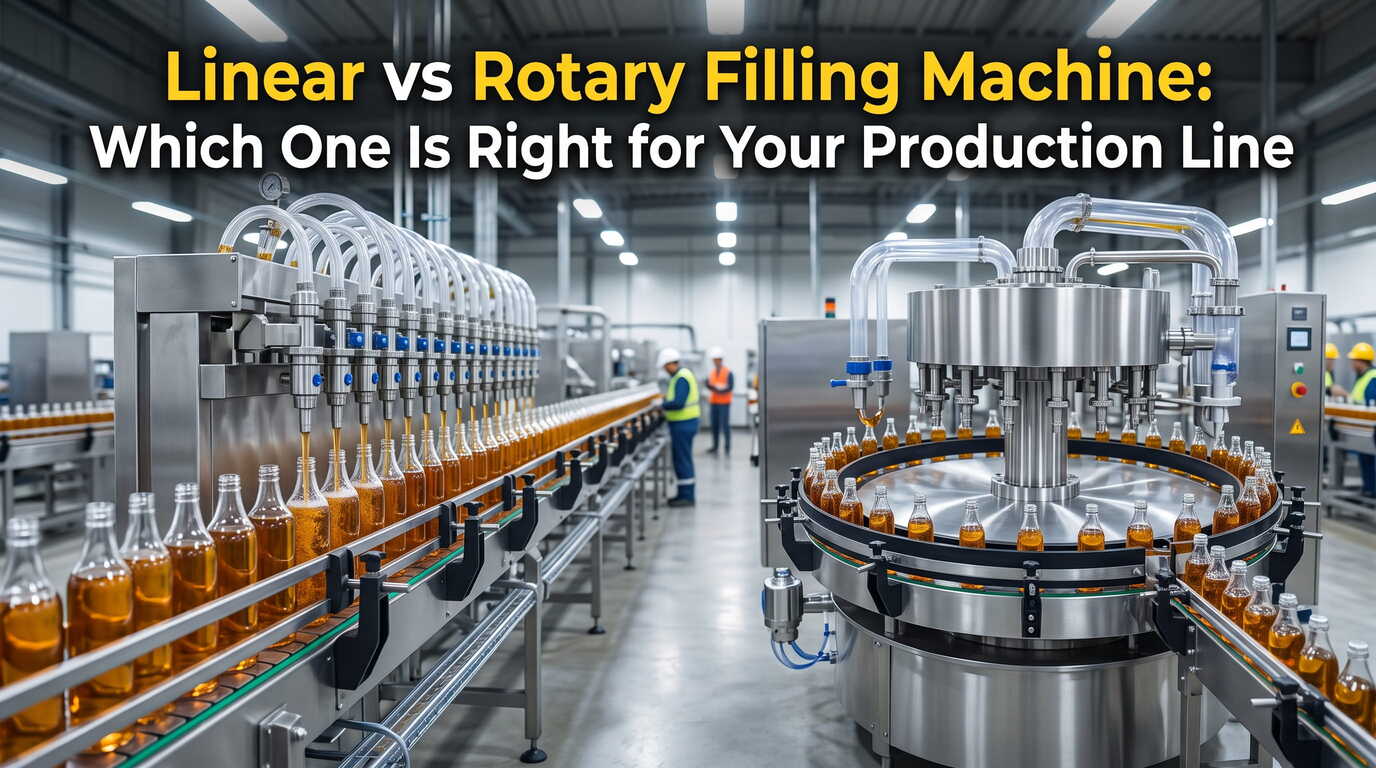
- Máquinas llenadoras de agua rotativas: Estas máquinas utilizan una plataforma giratoria para llenar botellas y son altamente eficientes para líneas de producción de alta velocidad.
4. ¿Cómo funciona una máquina dispensadora de agua?
Aunque no están directamente relacionadas con las máquinas llenadoras de agua utilizadas en el embotellado a gran escala, las máquinas dispensadoras de agua también son relevantes para la industria del agua, particularmente en entornos de oficina y domésticos. Una máquina dispensadora de agua suministra agua potable limpia desde contenedores grandes (a menudo garrafas de 5 galones) y está disponible en diferentes modelos, como diseños de carga inferior o de sobremesa.
- Enfriamiento y calentamiento: La mayoría de los dispensadores de agua proporcionan agua fría y caliente. La máquina utiliza refrigeración por compresor para enfriar el agua y elementos calefactores para proporcionar agua caliente para bebidas como té o café.
- Control de flujo: La máquina utiliza gravedad simple o un sistema de bomba para controlar el flujo de agua hacia un vaso o botella cuando se activa mediante un botón o una palanca de grifo.
Los dispensadores de agua son esenciales para soluciones de hidratación en el hogar y la oficina, pero generalmente no forman parte del proceso de embotellado industrial.
5. ¿Cómo funcionan las máquinas llenadoras de bolsas de agua?
Otro nicho en la industria del agua son las máquinas llenadoras de bolsas de agua, a menudo utilizadas en áreas donde el embotellado no es viable o para aplicaciones específicas como la ayuda en casos de desastre. Estas máquinas llenan bolsas o sobres con agua purificada, sellándolos para un transporte y almacenamiento seguros.
El funcionamiento de estas máquinas es similar al de las máquinas llenadoras tradicionales, pero están diseñadas para diferentes tipos de envases. Aquí hay un desglose:
- Tratamiento de agua: El agua se filtra y esteriliza, de forma similar a los procesos de agua embotellada.
- Mecanismo de llenado: El agua se llena en bolsas o sobres de plástico preformados utilizando un mecanismo de llenado basado en volumen controlado o peso.
- Sellado: Las bolsas se sellan térmicamente o por ultrasonidos para garantizar un envasado a prueba de fugas.
Las máquinas llenadoras de bolsas de agua se utilizan comúnmente para la producción de bajo costo y alto volumen, lo que las hace ideales para la distribución masiva en regiones donde las botellas pueden ser prohibitivas en cuanto a costos o poco prácticas.
6. Ventajas de las máquinas llenadoras de agua
Invertir en una máquina llenadora de agua ofrece varias ventajas para los fabricantes:
- Eficiencia: Las máquinas automatizadas pueden llenar miles de botellas por hora, lo que reduce los costos de mano de obra y garantiza una mayor productividad.
- Higiene y seguridad: Estas máquinas aseguran que el agua permanezca sin contaminar durante todo el proceso de embotellado, gracias a la esterilización integrada y los sistemas de llenado cerrados.
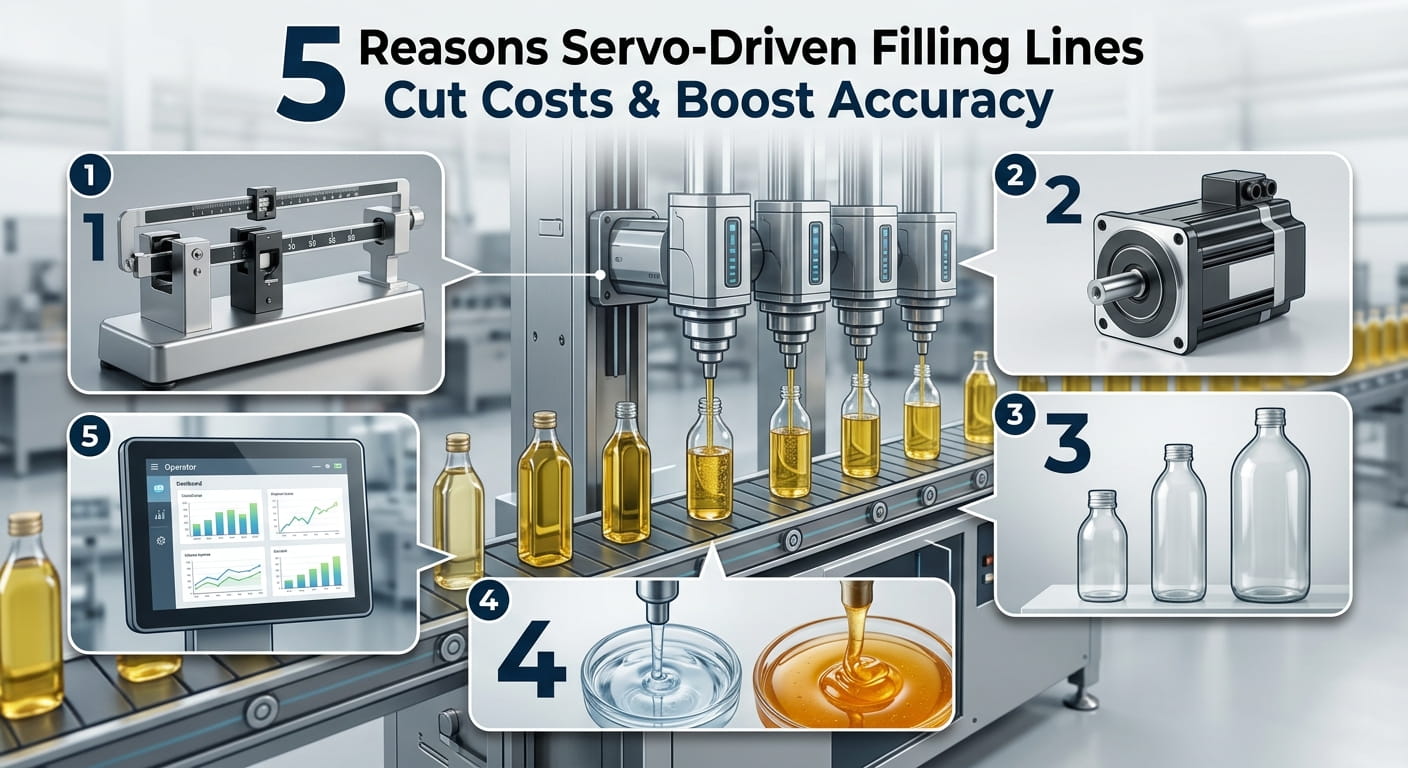
- Consistencia: Las máquinas llenadoras de agua son altamente precisas, lo que garantiza que cada botella se llene con el volumen exacto requerido, reduciendo el desperdicio y asegurando la consistencia del producto.
- Ahorro de costes: Al automatizar el proceso de embotellado, los fabricantes reducen el error humano y los costos operativos, mejorando la rentabilidad.
7. Aplicaciones de las máquinas llenadoras de agua
Las máquinas llenadoras de agua son esenciales en las siguientes aplicaciones:
- Producción comercial de agua embotellada: Estas máquinas son utilizadas por productores de agua embotellada a gran escala para envasar agua mineral, agua destilada o productos de agua saborizada para la venta al por menor.
- Pequeñas y medianas empresas (pymes): Para marcas más pequeñas o empresas de agua embotellada de nicho, las máquinas llenadoras de agua semiautomáticas ofrecen una solución rentable para producir agua embotellada de alta calidad.
- Producción de bebidas especializadas: Estas máquinas a veces se adaptan para manejar otras bebidas, como bebidas deportivas o aguas saborizadas sin gas.
8. Tendencias futuras en la tecnología de llenado de agua
La industria de las máquinas llenadoras de agua continúa evolucionando con tendencias y tecnologías emergentes:
- Sostenibilidad: A medida que crecen las preocupaciones ambientales, los fabricantes están invirtiendo en máquinas que pueden llenar botellas hechas de materiales reciclados o plásticos biodegradables. Las máquinas se están adaptando para acomodar botellas de PET ligeras, reduciendo el uso de plástico sin comprometer la calidad.
- Tecnología inteligente e IoT: Las máquinas llenadoras de agua modernas están cada vez más equipadas con IoT (Internet de las cosas) capacidades, lo que permite el monitoreo en tiempo real y el control remoto. Esto permite a los fabricantes realizar un seguimiento del rendimiento de la máquina, detectar posibles problemas de mantenimiento y optimizar las líneas de producción para una mayor eficiencia.
- Automatización y robótica: La integración de sistemas robóticos en las máquinas llenadoras de agua está ayudando a aumentar la velocidad, la precisión y la flexibilidad, especialmente en operaciones de embotellado a gran escala.
9. Conclusión
Las máquinas llenadoras de agua son esenciales para la industria del agua embotellada, ya que ofrecen velocidad, precisión e higiene manteniendo los costos bajos. Estas máquinas agilizan todo el proceso de embotellado, desde la filtración y el llenado del agua hasta el tapado, el etiquetado y el empaquetado, asegurando que cada botella cumpla con los estándares de alta calidad. Además, las tecnologías relacionadas, como los dispensadores de agua y las máquinas llenadoras de bolsas de agua, sirven a diferentes segmentos del mercado, ampliando el alcance de la distribución de agua y haciéndola accesible a diversos consumidores.
A medida que la tecnología evoluciona, las máquinas llenadoras de agua se vuelven más eficientes y respetuosas con el medio ambiente, alineándose con las necesidades de fabricación modernas. Ya sea que busque expandir su línea de embotellado de agua o ingresar al mercado, comprender cómo funcionan estas máquinas es crucial para lograr el éxito operativo.