
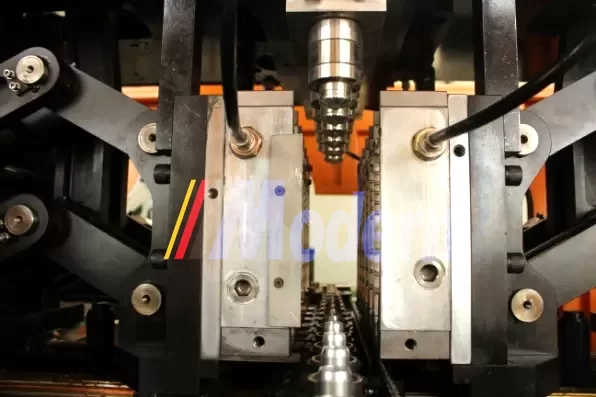
En el mercado global actual, la eficiencia y la productividad son vitales para las empresas de las industrias de bebidas y embalaje. La línea de embotellado de plástico llave en mano ha surgido como una solución sólida para las empresas que buscan optimizar sus operaciones, reducir costes y aumentar la producción. En este artículo, exploraremos las complejidades de las líneas de embotellado de plástico llave en mano, sus componentes, ventajas y consideraciones prácticas para las empresas que planean invertir en esta tecnología.
Entendiendo las líneas de embotellado de plástico llave en mano
Una línea de embotellado de plástico llave en mano se refiere a un sistema integrado diseñado para gestionar todo el proceso de embotellado, desde la etapa inicial de producción hasta el embalaje y etiquetado final. Las empresas pueden reducir significativamente el tiempo de inactividad y las inconsistencias operativas al recibir una solución completa y lista para usar. El término “llave en mano” indica que el sistema es entregado e instalado por un proveedor, y las empresas pueden comenzar a operarlo inmediatamente después de completar la configuración.
La importancia del embotellado de plástico
Las botellas de plástico se han convertido en un estándar de la industria debido a su versatilidad, naturaleza ligera y menores costes de producción. Se utilizan en diversos sectores, incluidos bebidas, productos de cuidado personal, limpiadores domésticos y productos farmacéuticos. A medida que crecen las preocupaciones medioambientales, las innovaciones en plásticos biodegradables y reciclados también impulsan una mayor demanda de sistemas de embotellado de plástico que se alineen con prácticas sostenibles.
Componentes de una línea de embotellado de plástico llave en mano
Una línea de embotellado de plástico llave en mano estándar consta de varios componentes, cada uno de los cuales desempeña un papel crucial para garantizar una operación eficiente:
1. Maquinaria de inyección y moldeo de preformas
El proceso comienza con el moldeo por inyección de preformas, que luego se transforman en botellas. Esta maquinaria garantiza una producción precisa y puede adaptarse a diferentes diseños y tamaños de botellas.
2. Máquinas de soplado de botellas
Estas máquinas expanden las preformas hasta obtener la forma final de la botella utilizando aire comprimido. Son cruciales para lograr la rigidez y claridad requeridas en las botellas de plástico.
3. Máquinas de llenado
Las máquinas llenadoras desempeñan un papel integral en la medición y el embotellado del producto. Existen varios tipos de mecanismos de llenado, como el llenado por gravedad, el llenado a presión y el llenado al vacío, cada uno adecuado para diferentes tipos de líquidos.
4. Máquinas taponadoras
Tras el proceso de llenado, las máquinas taponadoras aseguran las tapas en las botellas. Esta es una oportunidad de automatización que minimiza el error humano y acelera el proceso general.
5. Máquinas etiquetadoras
Las máquinas etiquetadoras aplican etiquetas de forma precisa y eficiente. Estas máquinas pueden manejar varios tipos y tamaños de etiquetas, asegurando que la marca y la información legal se comuniquen de manera efectiva.
6. Sistemas de embalaje y paletizado
El paso final implica el embalaje de los productos embotellados para su almacenamiento o envío. Los sistemas automatizados de embalaje y paletizado mejoran la eficiencia y minimizan el riesgo de daños al producto.
Ventajas de implementar una línea de embotellado de plástico llave en mano
La integración de una línea de embotellado de plástico llave en mano ofrece varios beneficios para los fabricantes:
1. Rentabilidad
Los sistemas llave en mano reducen los gastos de capital, ya que abarcan todas las etapas del proceso de producción en una sola configuración. Su diseño maximiza el espacio y minimiza el consumo de energía, lo que genera menores costes operativos con el tiempo.
2. Despliegue que ahorra tiempo
La naturaleza lista para usar de los sistemas llave en mano acelera la fase de configuración y despliegue, lo que permite a las empresas comenzar la producción antes. Este rápido tiempo de respuesta contribuye directamente a mejorar el retorno de la inversión (ROI).
3. Eficiencia mejorada
Al ofrecer soluciones integradas que eliminan la necesidad de numerosos sistemas individuales, las empresas se benefician de operaciones optimizadas. Esto reduce los cuellos de botella en las líneas de producción, aumenta la producción y mejora la calidad del producto.
4. Flexibilidad y escalabilidad
Los sistemas llave en mano ofrecen flexibilidad, lo que permite a las empresas adaptarse a diferentes requisitos de productos. Muchos sistemas pueden ampliarse añadiendo más máquinas o actualizando los componentes existentes para satisfacer las crecientes demandas de producción.
5. Control de calidad integrado
La mayoría de las líneas de embotellado llave en mano modernas incorporan tecnologías avanzadas como sensores y monitoreo de automatización que garantizan una calidad constante. Este paso hacia una mayor garantía de calidad reduce la probabilidad de defectos y retiradas de productos.
Consideraciones prácticas antes de invertir
Antes de invertir en una línea de embotellado de plástico llave en mano, las empresas deben evaluar varios factores críticos para garantizar una implementación exitosa:
1. Evaluar las necesidades de producción
Comprender su volumen de producción y las especificaciones del producto es esencial para seleccionar el sistema adecuado. Realizar un análisis de su operación actual ayudará a identificar brechas en la eficiencia y oportunidades de mejora.
2. Reputación del proveedor
Asociarse con proveedores de buena reputación es crucial para una implementación exitosa. Investigue posibles proveedores, consulte las opiniones de los clientes y verifique su experiencia en la prestación de soluciones llave en mano.
3. Mantenimiento y soporte
Opte por sistemas que incluyan servicios de mantenimiento integrales. Comprender las opciones de soporte disponibles, incluida la formación y la resolución de problemas, garantiza operaciones fluidas después de la instalación.
4. Adaptabilidad a las regulaciones
Manténgase informado sobre las regulaciones y estándares de la industria que afectan su proceso de producción, especialmente cuando se trata de productos alimenticios y bebidas. El sistema que elija debe cumplir con los estándares de salud y seguridad necesarios.
5. Enfoque en la sostenibilidad
A medida que aumentan las preocupaciones medioambientales, considere invertir en sistemas que apoyen prácticas sostenibles, como máquinas energéticamente eficientes y el uso de materiales reciclables. La implementación de medidas de sostenibilidad también puede mejorar el atractivo de su marca en el mercado.
Conclusión
En conclusión, una línea de embotellado de plástico llave en mano representa un avance significativo en el proceso de embotellado, ofreciendo eficiencia y versatilidad a empresas de múltiples sectores. Al comprender sus componentes, ventajas y considerar factores prácticos antes de invertir, las empresas pueden desbloquear el potencial para una mayor productividad y una mejor eficiencia operativa. A medida que el mercado continúa evolucionando, la adopción de soluciones innovadoras como los sistemas llave en mano desempeñará sin duda un papel fundamental para mantener las ventajas competitivas y alinearse con los objetivos de sostenibilidad.
Como siempre, la clave para integrar con éxito dichos sistemas reside en una planificación exhaustiva, asociaciones inteligentes y un compromiso con la calidad y la sostenibilidad. Adoptar estas estrategias puede preparar el terreno para un crecimiento dedicado dentro del panorama siempre cambiante de la fabricación y el envasado.


