
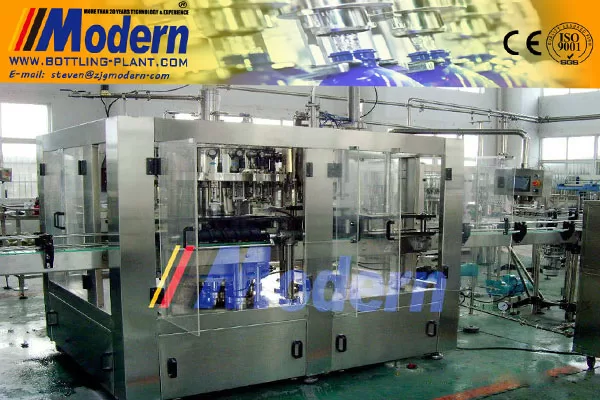
En el mundo en rápida evolución de la fabricación de bebidas, la eficiencia y la calidad son primordiales. Una de las soluciones más eficaces para los productores de bebidas, ya sean grandes o pequeños, es la línea de embotellado de bebidas llave en mano. Esta solución integral no solo agiliza el proceso de embotellado, sino que también optimiza la productividad, la fiabilidad y la calidad del producto. En este artículo, exploraremos los componentes, los beneficios y las estrategias de implementación de una línea de embotellado de bebidas llave en mano, ofreciendo ideas y acciones prácticas para los fabricantes que buscan mejorar sus operaciones.
¿Qué es una línea de embotellado de bebidas llave en mano?
Una línea de embotellado de bebidas llave en mano se refiere a una solución integral que abarca todos los equipos y servicios necesarios para el proceso de embotellado. De principio a fin, cubre todo, desde la limpieza de botellas hasta el llenado, tapado, etiquetado y envasado. El término “llave en mano” significa que el sistema puede entregarse e instalarse con una configuración adicional mínima requerida por el fabricante. Este enfoque permite a las empresas centrarse en sus competencias principales mientras confían en la experiencia de proveedores especializados.
Los componentes esenciales de una línea de embotellado llave en mano
Comprender los componentes básicos de una línea de embotellado de bebidas llave en mano es crucial para los fabricantes que consideran su implementación. Aquí hay un desglose de los elementos clave:
1. Sistemas de lavado
Antes del llenado, las botellas deben limpiarse a fondo para evitar la contaminación. Los sistemas de lavado suelen incluir procesos de enjuague, secado y otros procesos de saneamiento para garantizar que las botellas sean seguras para el llenado del producto.
2. Máquinas de llenado
Estas máquinas están diseñadas para llenar con precisión las botellas con la bebida deseada. Dependiendo del tipo de producto, los fabricantes pueden elegir entre varios métodos de llenado, como el llenado por gravedad, a presión o al vacío, para satisfacer necesidades operativas específicas.
3. Equipos de tapado
Una vez llenas, las botellas deben sellarse para preservar la frescura. El equipo de tapado es esencial para garantizar que las tapas se apliquen de forma segura y constante, minimizando así las fugas y el deterioro del producto.
4. Máquinas etiquetadoras
Un etiquetado adecuado mejora la visibilidad de la marca y proporciona información crítica sobre el producto. Las máquinas etiquetadoras aplican etiquetas de manera eficiente y precisa, garantizando el cumplimiento de las regulaciones de la industria y mejorando los esfuerzos de marketing.
5. Sistemas de envasado
Después del embotellado y etiquetado, los productos deben empaquetarse para su envío o almacenamiento. Los sistemas de envasado automatizados se encargan del encajado, el retractilado o la paletización, agilizando el proceso de cumplimiento de pedidos.
Beneficios de una línea de embotellado de bebidas llave en mano
Invertir en una línea de embotellado de bebidas llave en mano genera numerosas ventajas que pueden mejorar significativamente la eficiencia operativa y la rentabilidad. Algunos de estos beneficios incluyen:
1. Reducción del tiempo de inactividad
Con todos los equipos integrados y diseñados para trabajar de forma cohesiva, los fabricantes pueden esperar una reducción significativa del tiempo de inactividad durante las tiradas de producción. Esta integración perfecta se traduce en una mayor producción general y menores costes laborales.
2. Mayor flexibilidad
Los sistemas llave en mano se pueden personalizar para adaptarse a varios tipos de bebidas, desde bebidas carbonatadas hasta zumos y aguas. Esta flexibilidad permite a los fabricantes pivotar rápidamente en respuesta a las tendencias del mercado o cambios en las preferencias de los consumidores.
3. Control de calidad mejorado
Los sistemas llave en mano modernos incorporan tecnologías avanzadas, incluidos sensores y software, para supervisar cada etapa del proceso de embotellado. Esto mejora el control de calidad, permitiendo ajustes en tiempo real e identificación inmediata de posibles problemas.
4. Formación y soporte integrales
La mayoría de las soluciones llave en mano vienen con una formación integral para el personal y soporte técnico continuo. Esto reduce la curva de aprendizaje y garantiza que los empleados puedan operar el equipo de manera efectiva, maximizando su potencial desde el primer día.
Consideraciones antes de implementar una línea de embotellado de bebidas llave en mano
Si bien una línea de embotellado de bebidas llave en mano presenta numerosas ventajas, los fabricantes deben considerar algunos factores críticos antes de realizar una inversión.
1. Inversión de capital inicial
El coste inicial de adquirir un sistema llave en mano puede ser significativo. Las empresas deben evaluar meticulosamente su presupuesto y considerar factores como la longevidad del equipo y el posible retorno de la inversión, asegurándose de que los beneficios a largo plazo superen los gastos inmediatos.
2. Diseño de las instalaciones
Antes de la instalación, evalúe el diseño de las instalaciones existentes. Una línea de embotellado llave en mano requiere un amplio espacio para las operaciones, incluido el lavado, llenado, tapado y envasado. Una planificación cuidadosa puede maximizar la eficiencia y el flujo de trabajo.
3. Gama de productos
Es posible que los fabricantes deban considerar la variedad de bebidas que planean producir. Un sistema flexible debe adaptarse a diferentes tipos de botellas, tamaños y estilos de tapa. Por lo tanto, se recomienda invertir en un sistema que permita una futura expansión.
4. Cumplimiento y normativas
Todo fabricante de bebidas debe garantizar el cumplimiento de las normativas locales e internacionales relativas a la seguridad y el etiquetado. Antes de implementar un nuevo sistema, es crucial confirmar que se alinea con estos requisitos legales.
Pasos para implementar una línea de embotellado de bebidas llave en mano
Un enfoque estructurado puede facilitar la implementación exitosa de una línea de embotellado de bebidas llave en mano. Estos son los pasos esenciales a seguir:
1. Evaluación de necesidades
Evalúe sus capacidades de producción e identifique áreas de mejora. Considere su volumen de producción, variedades de productos y velocidades de embotellado para determinar el equipo adecuado necesario.
2. Selección de proveedores
Realice una investigación exhaustiva para identificar proveedores de renombre con experiencia en soluciones de bebidas llave en mano. Analice sus ofertas, opiniones de clientes y servicios de soporte posventa. Interactuar con múltiples proveedores puede ayudar a negociar mejores acuerdos.
3. Personalización y especificaciones
Trabaje en estrecha colaboración con el proveedor seleccionado para configurar el sistema de acuerdo con sus requisitos específicos. Considere factores como la eficiencia energética, los niveles de automatización y las necesidades de mantenimiento.
4. Instalación y pruebas
Después de la entrega, asegúrese de que se lleve a cabo una instalación profesional. Realice una serie de pruebas rigurosas para verificar que todas las líneas de embotellado funcionen de manera correcta y eficiente antes de comenzar la producción a gran escala.
5. Programas de formación
Implemente una formación integral para todo el personal pertinente. Asegurarse de que los empleados estén familiarizados con el funcionamiento, la resolución de problemas y el mantenimiento del equipo es crucial para maximizar la productividad.
Tendencias futuras en la tecnología de embotellado de bebidas
La industria de las bebidas evoluciona continuamente y mantenerse a la vanguardia de las tendencias emergentes puede proporcionar una ventaja competitiva. Estas son algunas tendencias a tener en cuenta:
1. Mayor automatización
Los sistemas automatizados son cada vez más sofisticados y ofrecen mayor precisión y eficiencia. La automatización completa de las líneas de embotellado no solo mejorará el rendimiento, sino que también reducirá la posibilidad de error humano.
2. Prácticas de sostenibilidad
Los consumidores modernos son conscientes del medio ambiente, lo que impulsa a los fabricantes a adoptar prácticas sostenibles en sus procesos de embotellado. Esto incluye el uso de materiales reciclados para las botellas, la reducción de residuos y la optimización del uso de agua y energía.
3. Integración de tecnología inteligente
Los sistemas habilitados para IoT están revolucionando la industria de las bebidas. Las capacidades de monitoreo en tiempo real y análisis de datos permitirán a los fabricantes realizar un seguimiento de sus procesos de producción, mejorando el mantenimiento y la eficiencia.
Conclusión
Invertir en una línea de embotellado de bebidas llave en mano es una decisión estratégica que puede generar importantes beneficios operativos. Al comprender los componentes, las ventajas y las estrategias de implementación asociadas con estos sistemas, los fabricantes de bebidas pueden mejorar su eficiencia de producción, la calidad del producto y, en última instancia, impulsar el crecimiento del negocio. A medida que la industria evoluciona, ser adaptable y tener una mentalidad tecnológica será esencial para seguir siendo competitivo en el mercado global. Considere los conocimientos prácticos presentados en esta guía para ayudarle a navegar por la implementación de una línea de embotellado llave en mano y posicionar su negocio para el éxito futuro.


