La industria moderna de bebidas sigue expandiéndose, con una demanda de jugos frescos que se dispara a nivel mundial. En consecuencia, la importancia de procesos de fabricación eficientes en la producción de jugos se ha vuelto primordial. El núcleo de esta eficiencia es la fábrica de máquinas llenadoras de jugo, donde las innovaciones tecnológicas y la excelencia operativa convergen para satisfacer las necesidades del consumidor. Este artículo profundiza en las complejidades de la producción de máquinas llenadoras de jugo, explorando las tecnologías, los procesos y las mejores prácticas esenciales tanto para emprendedores como para fabricantes.
La importancia de las máquinas llenadoras de jugo
En el proceso de producción de jugos, las máquinas llenadoras desempeñan un papel fundamental. Son responsables de llenar los envases con jugo de manera precisa, garantizando la consistencia en el volumen y minimizando el desperdicio. Con los avances tecnológicos, las máquinas llenadoras modernas no solo mejoran la productividad, sino que también aumentan significativamente la vida útil y la seguridad de los productos de jugo. La elección y la funcionalidad de estas máquinas pueden influir en la eficiencia general de la producción, la integridad del producto y los costos operativos.
Tipos de máquinas llenadoras de zumos
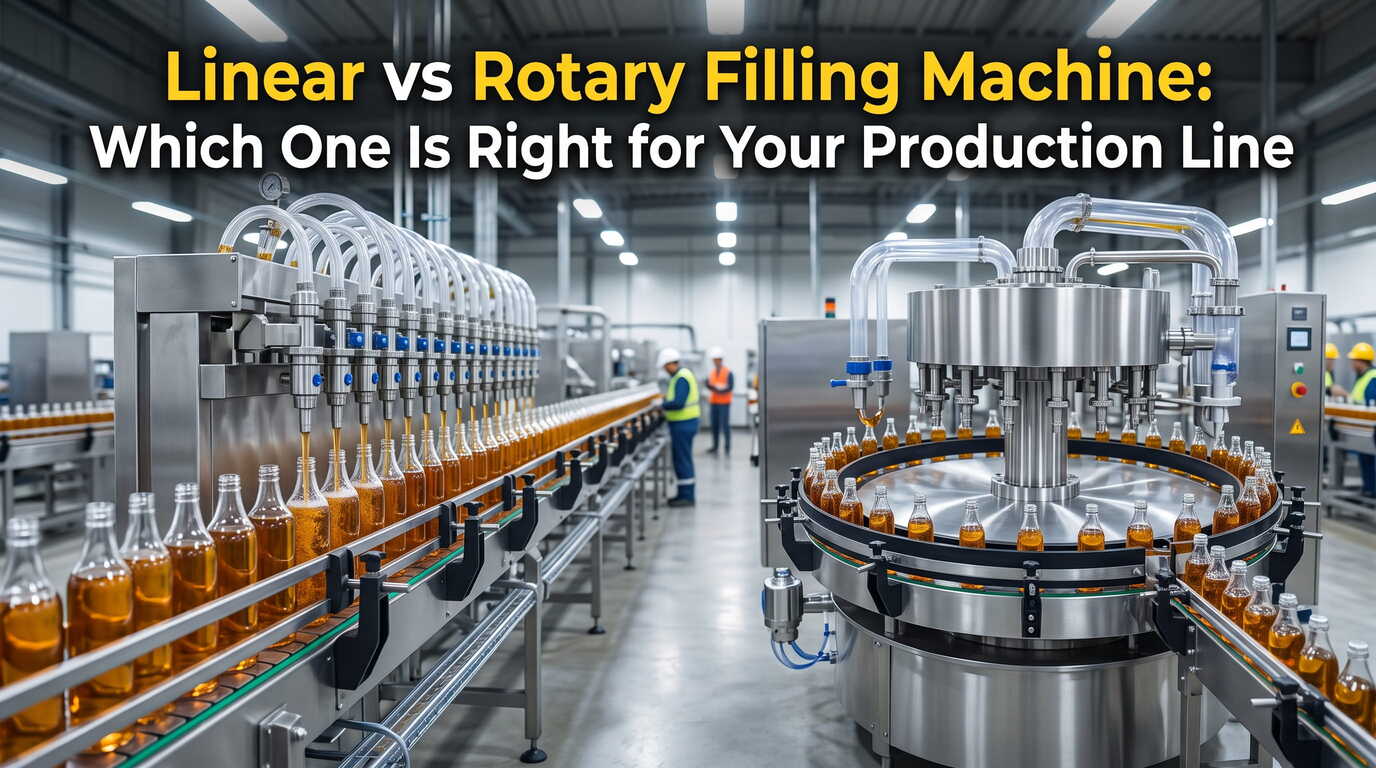
Comprender los diversos tipos de máquinas llenadoras de jugo disponibles es esencial para los propietarios y gerentes de fábricas. Los tipos principales incluyen:
- Llenadoras por gravedad: Estas máquinas utilizan la gravedad para llenar los envases. Son más efectivas para jugos poco viscosos, como el jugo de manzana o de uva, donde la viscosidad no es un problema.
- Llenadoras de pistón: Utilizadas para jugos más espesos, las llenadoras de pistón están diseñadas para manejar una mayor viscosidad y garantizar volúmenes precisos. Utilizan un pistón para extraer el jugo hacia una cámara antes de dispensarlo en el envase.
- Llenadoras al vacío: Ideales para preservar la calidad del jugo, las llenadoras al vacío reducen el riesgo de oxidación al llenar los envases bajo vacío, lo que las hace adecuadas para productos de jugo de alta calidad.
- Llenadoras a presión: Estos sistemas son altamente eficientes y se utilizan para diversos tipos de jugos. Utilizan presión para llenar botellas rápidamente, siendo particularmente adecuados para la producción a gran escala.
Cada tipo de máquina llenadora tiene sus ventajas únicas y está adaptado a necesidades de producción específicas. Los inversores deben evaluar su gama de productos y volumen de producción para tomar decisiones informadas al seleccionar equipos de llenado.
Tecnologías clave en la fabricación de máquinas llenadoras de jugo
La industria de las máquinas llenadoras de jugo evoluciona continuamente con nuevas tecnologías destinadas a mejorar la eficiencia, la seguridad y la facilidad de uso. Algunas tendencias tecnológicas clave incluyen:
Automatización
La automatización está revolucionando las líneas de producción de jugos, minimizando la necesidad de mano de obra manual mientras aumenta la velocidad y la precisión. Las máquinas llenadoras automatizadas pueden operar con una supervisión mínima, reduciendo así los costos laborales y mejorando la eficiencia. La integración con otros sistemas automatizados, como equipos de etiquetado y envasado, permite operaciones sincronizadas que impulsan el flujo de producción general.
Tecnologías inteligentes
Con el auge de la Industria 4.0, las tecnologías inteligentes se están abriendo camino en la maquinaria de llenado de jugos. Los sensores, la conectividad IoT y el análisis de datos permiten el monitoreo en tiempo real de los procesos de producción, proporcionando información valiosa sobre el rendimiento y las necesidades de mantenimiento. Estas tecnologías facilitan la resolución rápida de problemas y el mantenimiento predictivo, ayudando a las fábricas a reducir el tiempo de inactividad y los costos operativos.
Sistemas de control de calidad
El control de calidad es vital en la producción de jugos. Las máquinas llenadoras avanzadas vienen equipadas con sofisticados sistemas de control de calidad que pueden detectar inconsistencias o contaminación en el proceso de llenado. La integración de sistemas de inspección automatizados garantiza que solo los productos de alta calidad lleguen a los consumidores, salvaguardando en última instancia la reputación de la marca y la satisfacción del cliente.
Consideraciones operativas al gestionar una fábrica de máquinas llenadoras de jugo
La gestión eficaz de una fábrica de máquinas llenadoras de jugo requiere un enfoque integral, considerando diversos aspectos operativos para maximizar la eficiencia.
Diseño de las instalaciones
Un diseño de instalaciones bien planificado es crucial para un proceso de producción eficiente. La disposición de la maquinaria, las áreas de almacenamiento y las líneas de producción debe promover un flujo de trabajo fluido. Separar el área de llenado del almacenamiento de materias primas garantiza la limpieza y evita la contaminación. La implementación de principios de fabricación ajustada (lean manufacturing) puede optimizar aún más las operaciones, reduciendo el desperdicio y mejorando la productividad.
Formación de la fuerza laboral
La fuerza laboral es la columna vertebral de cualquier instalación de producción. Es esencial invertir en programas de capacitación que doten a los empleados de las habilidades necesarias para operar las máquinas llenadoras de manera efectiva. Una fuerza laboral bien informada puede identificar problemas rápidamente y mantener las máquinas, reduciendo el riesgo de tiempo de inactividad y garantizando una calidad de producción constante.
Protocolos de mantenimiento
El mantenimiento regular de las máquinas llenadoras de jugo es fundamental para evitar averías inesperadas. Las fábricas deben implementar un programa de mantenimiento integral que incluya inspecciones de rutina, limpieza y reemplazo de piezas. Utilizar estrategias de mantenimiento predictivo respaldadas por análisis de datos puede identificar problemas potenciales antes de que resulten en un tiempo de inactividad significativo.
Dinámica del mercado y tendencias del consumidor
Comprender la dinámica del mercado es esencial para el éxito de una fábrica de máquinas llenadoras de jugo. La industria de las bebidas se caracteriza por la evolución de las preferencias de los consumidores y una creciente competencia. El conocimiento de las tendencias actuales puede ayudar a los fabricantes a adaptar sus estrategias de producción de manera efectiva.
Conciencia sobre la salud
A medida que los consumidores se vuelven más conscientes de su salud, la demanda de jugos naturales y orgánicos ha aumentado. Las fábricas deben estar preparadas para atender esta tendencia invirtiendo en tecnologías de procesamiento que preserven la integridad nutricional de los productos de jugo. Además, un etiquetado claro y la transparencia sobre los ingredientes desempeñan un papel crucial para atraer a los consumidores enfocados en la salud.
Iniciativas de sostenibilidad
Los consumidores modernos están más inclinados hacia productos que promueven la sostenibilidad y la responsabilidad ambiental. Los fabricantes de máquinas llenadoras de jugo deben buscar prácticas ecológicas, como reducir el consumo de energía, minimizar los residuos y utilizar materiales de envasado biodegradables. Participar en iniciativas de sostenibilidad no solo mejora la imagen de marca, sino que también se alinea con los valores cambiantes de los consumidores, abriendo nuevas oportunidades de mercado.
Desafíos en la industria de las máquinas llenadoras de jugo
El sector de las máquinas llenadoras de jugo enfrenta varios desafíos, lo que hace que sea esencial que los propietarios de fábricas se mantengan proactivos y adaptables.
Actualizaciones tecnológicas
Con los rápidos avances tecnológicos, mantenerse actualizado puede ser un desafío para muchos fabricantes. Invertir en nuevas tecnologías a menudo puede requerir un capital significativo, lo que genera tensión financiera, especialmente para las operaciones más pequeñas. Por lo tanto, las fábricas deben desarrollar un plan de inversión estratégico, considerando qué tecnologías se alinean con sus objetivos a largo plazo.
Interrupciones en la cadena de suministro
Los eventos globales han subrayado la fragilidad de las cadenas de suministro. Las fábricas de máquinas llenadoras de jugo deben desarrollar prácticas sólidas de gestión de la cadena de suministro, fomentando relaciones con múltiples proveedores para mitigar los riesgos asociados con la escasez de materiales. La gestión eficaz del inventario y las técnicas de previsión de la demanda también pueden minimizar las posibles interrupciones.
Conclusión
A medida que el mercado de jugos continúa floreciendo, una fábrica de máquinas llenadoras de jugo bien equipada y gestionada de manera eficiente puede capitalizar las demandas cambiantes de los consumidores. Al invertir en las tecnologías adecuadas, capacitar a los empleados y adoptar las mejores prácticas operativas, los fabricantes pueden garantizar que sigan siendo competitivos en un mercado exigente. Además, el conocimiento de las tendencias y desafíos emergentes permitirá a las fábricas navegar eficazmente por las complejidades de la industria de las bebidas. En última instancia, mantenerse a la vanguardia de los avances tecnológicos mientras se prioriza la calidad debe estar a la vanguardia de la estrategia de una fábrica de máquinas llenadoras de jugo exitosa.