
En el panorama en constante evolución de la industria de bebidas, los refrescos siguen siendo un elemento básico en las preferencias de los consumidores de todo el mundo. El proceso de embotellado es un aspecto crítico de la producción de refrescos, ya que garantiza que las bebidas se envasen de manera eficiente, segura y atractiva. Este artículo profundiza en los diversos tipos de equipos de embotellado de refrescos, sus funcionalidades y los factores a considerar al invertir en dicha maquinaria. Al final de esta guía, los lectores obtendrán información valiosa sobre cómo optimizar sus operaciones de embotellado para satisfacer las demandas del mercado y mejorar la productividad.
La importancia del equipo de embotellado de refrescos
El proceso de embotellado no consiste simplemente en llenar envases; abarca varios pasos cruciales que garantizan la calidad del producto, la seguridad y la integridad de la marca. El equipo de embotellado de alta calidad desempeña un papel importante en:
- Mantener la integridad del producto: Las técnicas de embotellado adecuadas evitan la contaminación y preservan el sabor y la carbonatación de los refrescos.
- Mejora de la eficiencia: Las líneas de embotellado automatizadas reducen los costos laborales y aumentan las tasas de producción, lo que permite a las empresas satisfacer la demanda de los consumidores rápidamente.
- Garantizar el cumplimiento: El equipo de embotellado debe cumplir con los estándares y regulaciones de la industria, asegurando que los productos sean seguros para el consumo.
- Marca y presentación: Las soluciones de embotellado innovadoras pueden mejorar el atractivo visual de los productos, haciéndolos más atractivos para los consumidores.
Tipos de equipos de embotellado de refrescos
Comprender los diferentes tipos de equipos de embotellado disponibles es esencial para tomar decisiones de compra informadas. Estas son las categorías principales:
1. Lavadoras de botellas
Antes del llenado, las botellas deben limpiarse a fondo para eliminar cualquier contaminante. Las lavadoras de botellas utilizan chorros de agua a alta presión y agentes de limpieza especializados para garantizar que cada envase esté desinfectado. Invertir en una lavadora de botellas confiable es crucial para mantener la calidad del producto.
2. Máquinas de llenado
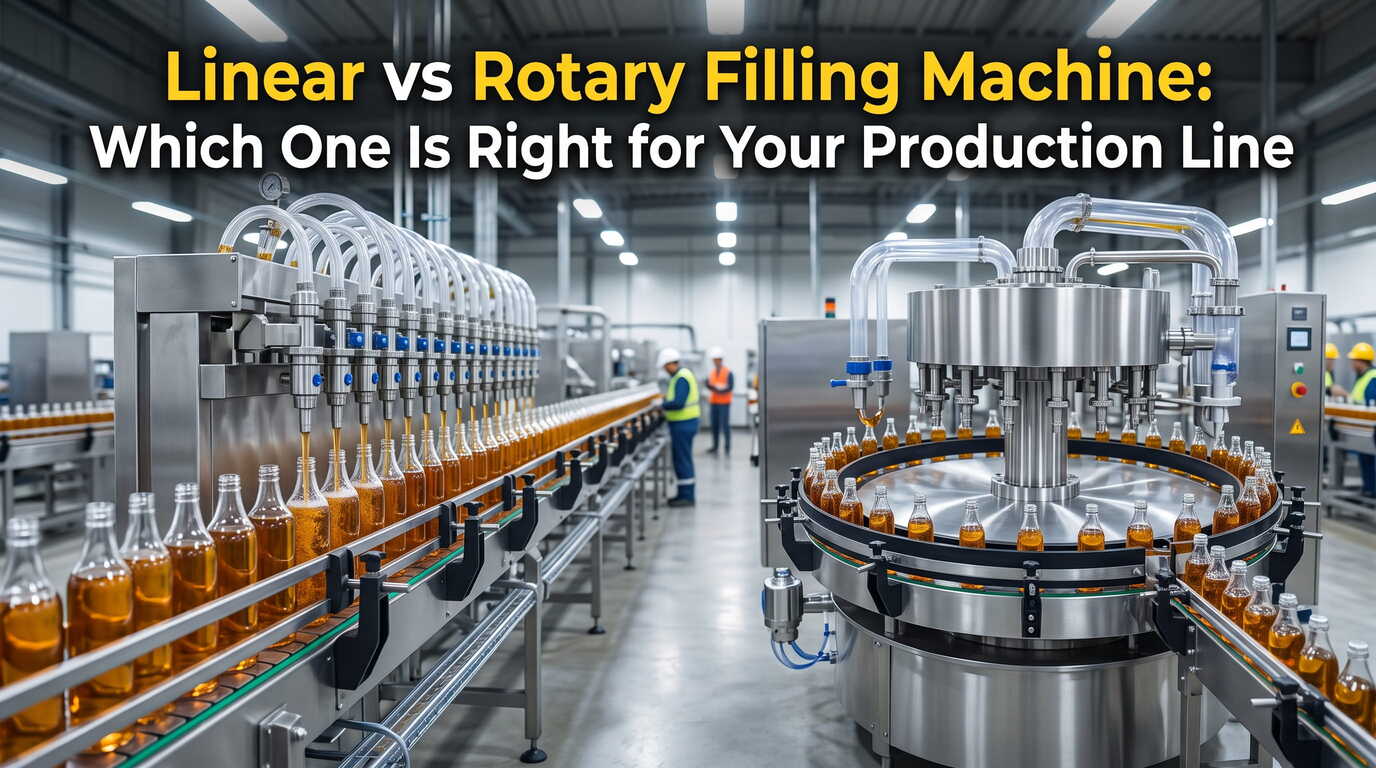
Las máquinas llenadoras son el corazón del proceso de embotellado. Vienen en varios tipos, incluyendo:
- Llenadoras por gravedad: Adecuadas para líquidos poco viscosos, estas máquinas dependen de la gravedad para llenar las botellas. Son rentables, pero pueden no ser adecuadas para bebidas carbonatadas.
- Llenadoras de pistón: Estas máquinas utilizan un pistón para extraer líquido hacia una cámara y luego dispensarlo en las botellas. Son versátiles y pueden manejar varios niveles de viscosidad.
- Llenadoras a presión: Ideales para refrescos carbonatados, las llenadoras a presión mantienen la carbonatación durante el proceso de llenado mediante el uso de presión para empujar el líquido hacia las botellas.
3. Máquinas tapadoras
Después del llenado, las botellas deben sellarse de forma segura para evitar fugas y contaminación. Las máquinas tapadoras vienen en diferentes configuraciones, incluyendo:
- Tapadoras de rosca: Estas máquinas aplican tapas de rosca a las botellas, asegurando un sellado hermético. Se utilizan ampliamente para varios tipos de bebidas.
- Tapadoras de corona: Diseñadas específicamente para botellas con tapas corona, estas máquinas son esenciales para el envasado tradicional de refrescos.
4. Máquinas etiquetadoras
Una marca eficaz depende de etiquetas de alta calidad. Las máquinas etiquetadoras aplican etiquetas adhesivas a las botellas, asegurando que estén colocadas de manera correcta y segura. Existen varios tipos de máquinas etiquetadoras, incluyendo:
- Etiquetadoras envolventes: Estas máquinas aplican etiquetas alrededor de toda la circunferencia de la botella, proporcionando un aspecto uniforme.
- Etiquetadoras de frente y dorso: Ideales para botellas rectangulares, estas máquinas aplican etiquetas en la parte frontal y posterior del envase.
5. Máquinas de envasado
Una vez que las botellas están llenas, tapadas y etiquetadas, deben empaquetarse para su distribución. Las máquinas de envasado pueden incluir:
- Máquinas encartonadoras: Estas máquinas crean cajas de cartón para contener múltiples botellas, facilitando el transporte.
- Máquinas paletizadoras: Los paletizadores automatizados apilan cajas en palets para un almacenamiento y envío eficientes.
Factores a considerar al invertir en equipos de embotellado
Elegir el equipo de embotellado adecuado es una decisión importante que puede afectar la eficiencia de la producción y la calidad del producto. Estos son los factores esenciales a considerar:
1. Capacidad de producción
Evalúe sus necesidades de producción en función de la demanda actual y proyectada. El equipo de embotellado debe tener una capacidad que se alinee con sus objetivos de producción, asegurando que pueda escalar las operaciones según sea necesario.