
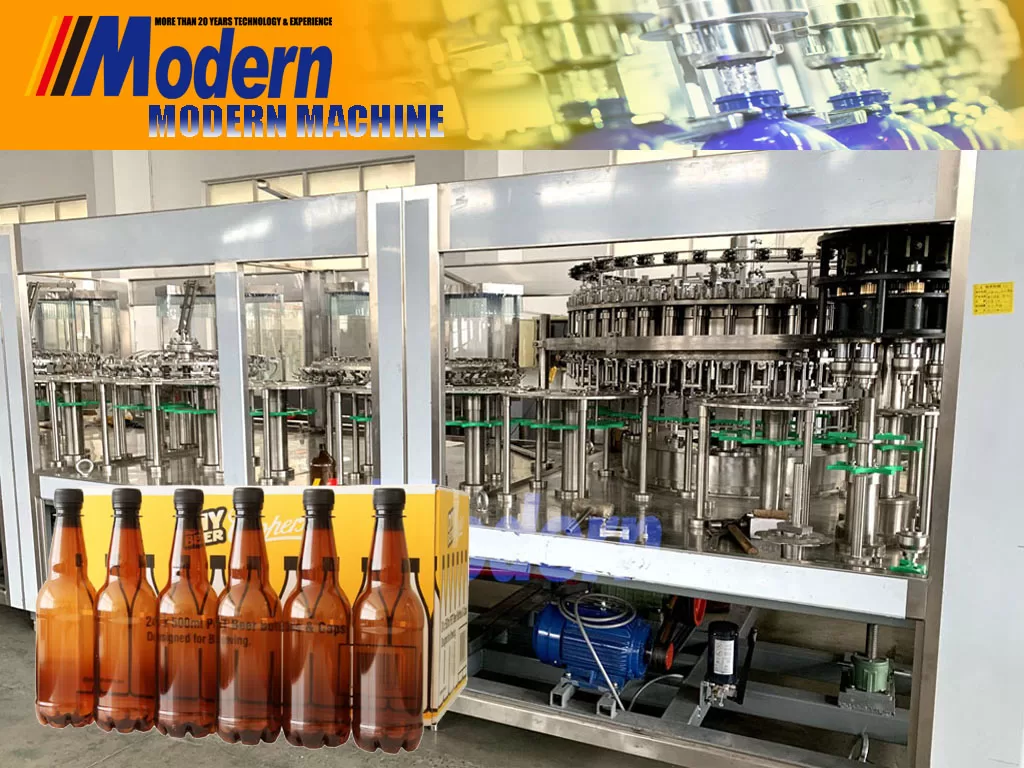
La industria de la cerveza artesanal ha experimentado un aumento de popularidad sin precedentes en la última década, con cerveceros de todo el mundo experimentando con sabores únicos y técnicas de elaboración. Como resultado, la demanda de soluciones de embotellado eficientes y eficaces también ha crecido. Aquí es donde entran las máquinas embotelladoras de cerveza a pequeña escala: una herramienta diseñada específicamente para los cerveceros artesanales que buscan optimizar sus operaciones manteniendo la calidad de su producto. En este artículo, exploramos las diversas dimensiones de estas máquinas, proporcionando consejos prácticos y perspectivas para ayudar a los actores de la industria a tomar decisiones informadas.
¿Qué es una máquina embotelladora de cerveza a pequeña escala?
Una máquina embotelladora de cerveza a pequeña escala es un equipo especializado utilizado por las cervecerías artesanales para llenar, tapar y etiquetar botellas de manera eficiente. A diferencia de las grandes líneas de embotellado utilizadas por las principales cervecerías, que pueden manejar miles de botellas por hora, las máquinas pequeñas satisfacen las necesidades únicas de las operaciones de menor tamaño. Están diseñadas para gestionar volúmenes de producción más bajos garantizando resultados de alta calidad.
Tipos de máquinas embotelladoras de cerveza a pequeña escala
Comprender los diferentes tipos de máquinas embotelladoras de cerveza es crucial para los cerveceros, ya que cada tipo ofrece su propio conjunto de ventajas y desventajas. A continuación, se presentan las categorías principales de máquinas embotelladoras pequeñas comúnmente utilizadas en la industria de la cerveza artesanal:
1. Llenadoras por gravedad
Las llenadoras por gravedad se encuentran entre los tipos más sencillos y populares de máquinas embotelladoras de cerveza a pequeña escala. Funcionan utilizando la gravedad para llenar las botellas desde un tanque o recipiente situado encima. Este tipo de maquinaria suele ser de bajo costo y fácil de usar, lo que la hace ideal para microcervecerías que recién comienzan. Sin embargo, las llenadoras por gravedad pueden no ofrecer la velocidad y precisión de máquinas más avanzadas.
2. Llenadoras por bomba
Las llenadoras por bomba utilizan una bomba para transferir la cerveza desde un recipiente de almacenamiento a las botellas. Este método optimizado permite un mayor control sobre el proceso de llenado, ya que la bomba puede ajustarse para diferentes caudales. Las llenadoras por bomba son muy adecuadas para cervecerías que producen una variedad de estilos de cerveza, lo que requiere diferentes técnicas de llenado. También pueden manejar bebidas carbonatadas mejor que los sistemas por gravedad.
3. Llenadoras a contrapresión
Las llenadoras a contrapresión están diseñadas para minimizar la exposición al oxígeno durante el proceso de llenado, lo que las hace ideales para cervezas altamente carbonatadas. Utilizan una combinación de presión de CO2 y tecnología de vacío para garantizar una experiencia de llenado más limpia y eficiente. Aunque suelen ser más costosas que las llenadoras por gravedad y por bomba, los sistemas a contrapresión mejoran enormemente la vida útil del producto terminado.
4. Llenadoras semiautomáticas y automáticas
Para aquellos que buscan eficiencia y comodidad, las máquinas embotelladoras semiautomáticas o totalmente automáticas pueden ser la elección correcta. Estas máquinas manejan múltiples procesos de embotellado, incluyendo el llenado, tapado y etiquetado, a menudo con una mínima intervención manual. Aunque la inversión inicial puede ser mayor, los beneficios a largo plazo en términos de eficiencia y consistencia pueden ser sustanciales, particularmente para las cervecerías en crecimiento.
Beneficios de utilizar máquinas embotelladoras de cerveza a pequeña escala
Invertir en una máquina embotelladora de cerveza a pequeña escala proporciona numerosas ventajas para las cervecerías artesanales, incluyendo:
1. Mayor control de calidad
Con una máquina embotelladora confiable, las cervecerías pueden mantener niveles de llenado consistentes, reducir el desperdicio y minimizar la oxidación, preservando así la calidad y el sabor de su cerveza. Este nivel de control es fundamental para construir la reputación de una marca y garantizar la satisfacción del cliente.
2. Eficiencia mejorada
Una máquina embotelladora automatiza gran parte del proceso intensivo de mano de obra que implica llenar y tapar botellas. Esto no solo acelera el cronograma de producción, sino que también permite al personal de la cervecería concentrarse en otras áreas importantes como la elaboración, el marketing y la interacción con el cliente. Como resultado, las cervecerías pueden escalar sus operaciones sin requerir un aumento proporcional en los costos laborales.
3. Rentabilidad
Aunque el costo inicial de una máquina embotelladora de cerveza a pequeña escala puede parecer significativo, los ahorros a largo plazo en tiempo, mano de obra y pérdidas de producto la convierten en una inversión que vale la pena. Al reducir el desperdicio y maximizar la productividad, las cervecerías pueden disfrutar de mayores márgenes de beneficio en sus productos.
4. Flexibilidad y personalización
Las máquinas embotelladoras de cerveza a pequeña escala ofrecen varias opciones de personalización, lo que permite adaptarse a diferentes tamaños, formas y tipos de cierre de botellas. Este nivel de versatilidad permite a las cervecerías artesanales experimentar con el empaquetado y la marca, atendiendo a nichos de mercado y preferencias de los consumidores.
Consideraciones clave al elegir una máquina embotelladora de cerveza a pequeña escala
Al considerar la adquisición de una máquina embotelladora de cerveza a pequeña escala, se deben tener en cuenta varios factores para garantizar que el equipo elegido se alinee con los objetivos y requisitos de producción de la cervecería:
1. Volumen de producción
Estime la cantidad de cerveza producida anualmente y elija una máquina embotelladora que pueda manejar ese volumen de manera eficiente. Elegir un equipo que pueda crecer junto con la cervecería es vital para la sostenibilidad a largo plazo.
2. Presupuesto
Evalúe el costo total de propiedad, incluyendo no solo el precio de compra inicial, sino también el mantenimiento, los costos operativos y las posibles actualizaciones o expansiones en el futuro. Las cervecerías artesanales deben incluir estos costos en su planificación financiera para garantizar operaciones fluidas.
3. Mantenimiento y soporte
Al seleccionar una máquina embotelladora, considere la disponibilidad de piezas de repuesto y el soporte ofrecido por los fabricantes. Un servicio posventa confiable puede marcar una diferencia significativa cuando se trata de reparaciones y mantenimiento de la máquina, lo que en última instancia afecta los cronogramas de producción.
4. Usabilidad y capacitación
La facilidad de uso y la capacitación requerida para el personal de la cervecería también deben desempeñar un papel en el proceso de toma de decisiones. Opte por una máquina que minimice la curva de aprendizaje para los operadores, garantizando eficiencia y seguridad durante el proceso de embotellado.
Mejores prácticas para operar máquinas embotelladoras de cerveza a pequeña escala
Una vez que una cervecería ha seleccionado una máquina embotelladora adecuada, las siguientes mejores prácticas pueden ayudar a optimizar las operaciones:
1. Mantenimiento regular
Implemente un programa de mantenimiento proactivo para minimizar el tiempo de inactividad y maximizar la eficiencia. Revisar regularmente el desgaste, limpiar los componentes y abordar los problemas a tiempo puede ayudar a extender la vida útil de la máquina embotelladora.
2. Capacitación del personal
Invierta tiempo y recursos en capacitar al personal sobre el funcionamiento correcto y la resolución de problemas de la máquina embotelladora. Los empleados capacitados tienden a ser más productivos y pueden proporcionar información valiosa sobre el proceso de embotellado y posibles áreas de mejora.
3. Medidas de control de calidad
Establecer puntos de control de calidad a lo largo del proceso de embotellado es esencial para identificar y rectificar posibles problemas desde el principio. Monitorear los niveles de llenado, verificar si hay fugas y comprobar las tapas de las botellas puede garantizar que un producto de alta calidad llegue a los consumidores.
Conclusión
La introducción de una máquina embotelladora de cerveza a pequeña escala puede transformar radicalmente las operaciones de las cervecerías artesanales, ofreciendo una mayor eficiencia, control de calidad y rentabilidad. Al comprender los diversos tipos de máquinas disponibles, evaluar sus beneficios e implementar las mejores prácticas de operación, los cerveceros artesanales no solo pueden mejorar su proceso de embotellado, sino también garantizar que sus cervezas únicas deleiten a los clientes durante muchos años. A medida que la industria de la cerveza artesanal continúa evolucionando, adoptar soluciones de embotellado innovadoras será vital para prosperar en este panorama competitivo.


