
En la industria actual de bebidas, el énfasis en la eficiencia, la higiene y la sostenibilidad ha llevado a los fabricantes a adoptar tecnologías avanzadas, entre las cuales las máquinas llenadoras de botellas PET se han vuelto indispensables. Diseñadas para automatizar el proceso de embotellado, estas máquinas son cruciales para envasar una variedad de líquidos, desde agua y jugos hasta aceites y salsas. En este artículo, profundizamos en las complejidades de las máquinas llenadoras de botellas PET, explorando sus tipos, características, usos óptimos, beneficios y los factores que influyen en las decisiones de compra.
La importancia de las máquinas llenadoras de botellas PET
El mercado mundial de bebidas está experimentando un crecimiento exponencial y, con él, surge la necesidad de soluciones de envasado eficientes y fiables. En un panorama tan competitivo, las máquinas llenadoras de botellas PET (tereftalato de polietileno) desempeñan un papel vital al garantizar el llenado rápido y preciso de las botellas, manteniendo al mismo tiempo los más altos estándares de higiene. Además, la naturaleza ligera y reciclable de las botellas PET contribuye significativamente a la sostenibilidad en el envasado, lo que convierte a las máquinas llenadoras de botellas PET en una inversión esencial para los productores.
Tipos de máquinas llenadoras de botellas PET
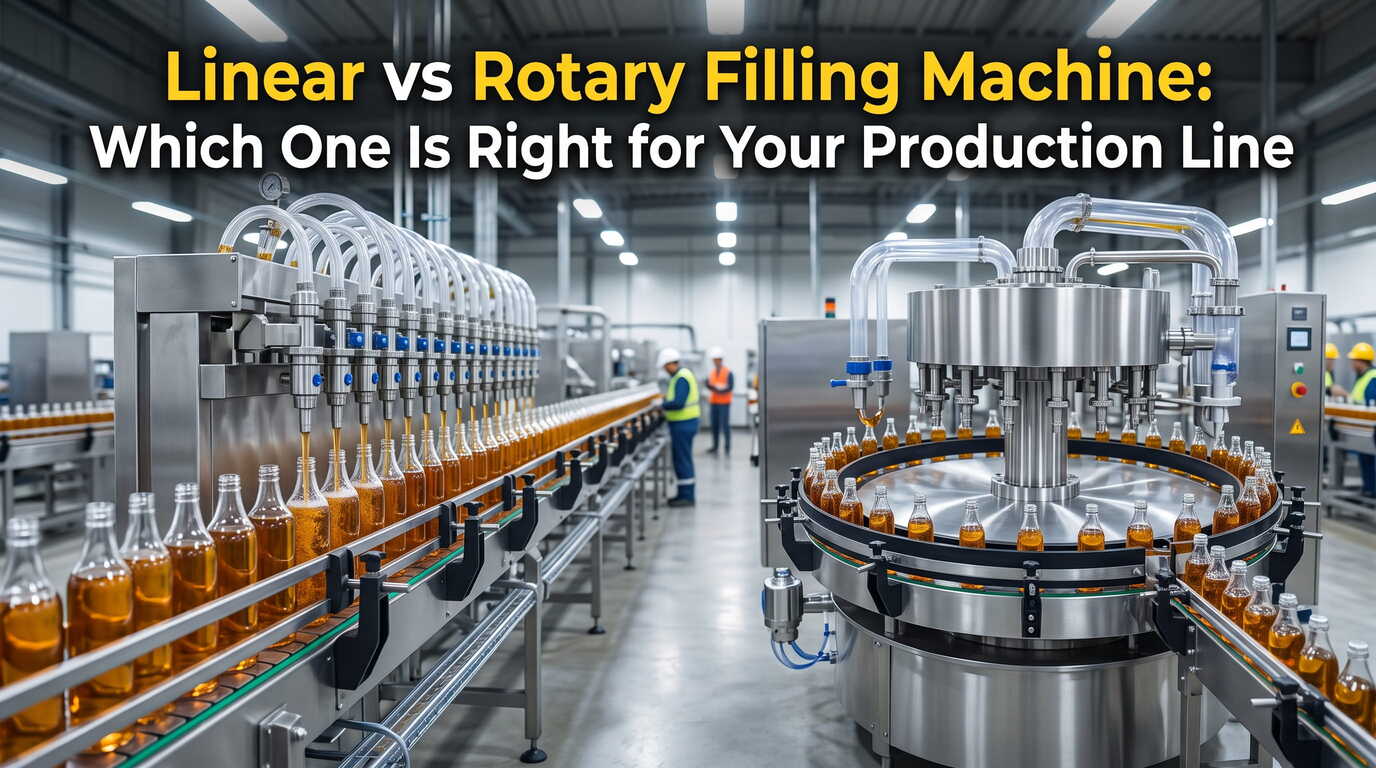
Comprender los diferentes tipos de máquinas llenadoras de botellas PET es esencial para que los fabricantes elijan la adecuada según sus requisitos de producción. Clasificadas a grandes rasgos, las máquinas se pueden dividir en tres tipos principales:
1. Llenadoras por gravedad
Las llenadoras por gravedad funcionan según el principio de la fuerza gravitacional para llenar las botellas. Generalmente se utilizan para líquidos con baja viscosidad, como agua y bebidas saborizadas. Las llenadoras por gravedad son relativamente simples y económicas, lo que las convierte en una opción atractiva para operaciones a pequeña escala y empresas emergentes. Sin embargo, pueden carecer de la precisión necesaria para las líneas de producción de alta velocidad.
2. Llenadoras a presión
Las llenadoras a presión utilizan presión de aire para empujar el líquido hacia las botellas, lo que las hace adecuadas para bebidas carbonatadas. Estas máquinas mantienen niveles de presión constantes, asegurando que el líquido no forme espuma ni se derrame durante el proceso de embotellado. Las máquinas de llenado a presión suelen ser más complejas y costosas que las llenadoras por gravedad, pero ofrecen una mayor precisión y velocidades de llenado más altas, lo que las hace ideales para tiradas de producción más grandes.
3. Llenadoras al vacío
Las llenadoras al vacío se emplean para líquidos altamente viscosos y productos que requieren un sello hermético. El proceso implica crear un vacío que atrae el líquido hacia la botella, minimizando los derrames y las pérdidas. Estas máquinas son particularmente efectivas para salsas, jarabes y aceites. Sin embargo, las máquinas de llenado al vacío requieren una inversión de capital más sustancial y, a menudo, tienen una curva de aprendizaje más pronunciada para los operadores.
Características clave de las máquinas llenadoras de botellas PET modernas
Al considerar una máquina llenadora de botellas PET, ciertas características pueden afectar significativamente el rendimiento, la eficiencia y la fiabilidad. Estas son las características esenciales que los fabricantes deben buscar:
1. Nivel de automatización
Con la industria avanzando hacia la automatización total, las máquinas llenadoras de botellas PET modernas cuentan con controladores lógicos programables (PLC) y controles de pantalla táctil. Esto permite realizar ajustes y monitorear fácilmente el proceso de llenado, reduciendo la probabilidad de error humano y mejorando la eficiencia general.
2. Estándares de higiene
En el sector de alimentos y bebidas, la higiene es primordial. Las máquinas fabricadas en acero inoxidable y equipadas con componentes fáciles de limpiar son esenciales para mantener estrictos estándares de higiene. Además, características como los sistemas CIP (limpieza in situ) pueden mejorar la eficiencia de la limpieza, asegurando que los rellenos sean seguros para el consumo del cliente.
3. Velocidad y precisión de llenado
La capacidad de llenar botellas de forma rápida y precisa es crucial para mantener los niveles de producción. Los mecanismos de llenado con velocidad ajustable, junto con tecnologías de medición precisas, aseguran que cada botella se llene con el volumen deseado sin desperdicios. Los fabricantes deben considerar sus objetivos de producción al seleccionar maquinaria que se alinee con sus requisitos de velocidad y precisión.
4. Versatilidad
Las máquinas llenadoras de botellas PET modernas están diseñadas para manejar varios tamaños y formas de botellas, lo que las hace versátiles en diferentes líneas de productos. Las boquillas de llenado ajustables y la capacidad de cambiar entre tipos de líquidos satisfacen una amplia gama de necesidades de embotellado, optimizando la flexibilidad de la producción.
Beneficios de utilizar máquinas llenadoras de botellas PET
Invertir en máquinas llenadoras de botellas PET proporciona una gran cantidad de beneficios que pueden mejorar la eficiencia y la rentabilidad general de una empresa:
1. Rentabilidad
Automatizar el proceso de llenado minimiza los costos laborales asociados con las operaciones de embotellado manual. Esta eficiencia se traduce en una reducción de los gastos generales y un aumento de los márgenes de beneficio. Además, las rápidas velocidades de llenado de estas máquinas permiten mayores tasas de producción, lo que puede generar importantes ahorros de costos con el tiempo.
2. Consistencia y control de calidad
Con el llenado automatizado, se mantiene la consistencia de los niveles de llenado, lo que conduce a un control de calidad superior. Esta uniformidad no solo cumple con los estándares reglamentarios, sino que también mejora la satisfacción del cliente al garantizar que cada botella contenga el volumen de producto esperado.
3. Seguridad mejorada
La implementación de sistemas de llenado automatizados minimiza el riesgo de accidentes laborales asociados con la manipulación manual de botellas pesadas y piezas móviles. Además, las máquinas modernas están equipadas con características de seguridad que previenen el riesgo de derrames y contaminación, contribuyendo a un entorno de trabajo más seguro.
4. Consideraciones medioambientales
A medida que la sostenibilidad se convierte en una responsabilidad corporativa, elegir máquinas llenadoras de botellas PET que minimicen los residuos y maximicen la eficiencia se alinea con los objetivos medioambientales. Muchos modelos reducen el consumo de energía y, con la opción de utilizar materiales reciclables, apoyarán prácticas ecológicas en el proceso de embotellado.
Factores a considerar al comprar máquinas llenadoras de botellas PET
Comprar una máquina llenadora de botellas PET es una inversión importante que requiere una cuidadosa consideración de varios factores:
1. Capacidad de producción
Antes de realizar una compra, los fabricantes deben evaluar sus demandas de producción. Comprender las necesidades de producción actuales y futuras, incluidas las proyecciones de crecimiento, ayudará a seleccionar una máquina que cumpla con los requisitos de capacidad sin comprometer excesivamente los recursos financieros.
2. Restricciones presupuestarias
Aunque el costo no debe ser el único factor determinante, es esencial establecer un presupuesto para la compra de maquinaria. Explorar tanto los costos iniciales como los gastos operativos continuos, incluido el mantenimiento, dará una imagen más clara de lo que se puede permitir.
3. Soporte técnico y formación
Asociarse con proveedores que brinden soporte técnico integral y capacitación a los operadores garantiza que la maquinaria funcione de manera eficiente. Esto fomenta transiciones más fluidas y reduce la probabilidad de tiempo de inactividad debido a problemas técnicos.
4. Mantenimiento a largo plazo
Cada máquina requiere mantenimiento para garantizar la longevidad y un rendimiento eficiente. Es esencial comprender los requisitos de mantenimiento, la disponibilidad de repuestos y la reputación de confiabilidad del fabricante antes de tomar una decisión.
Conclusión
En conclusión, las máquinas llenadoras de botellas PET son imperativas para el éxito de los productores de bebidas, ya que brindan una eficiencia, precisión e higiene inigualables. Con los avances tecnológicos, las empresas pueden capitalizar estas innovaciones para optimizar sus procesos de embotellado y mejorar la productividad. Comprender los diferentes tipos de máquinas llenadoras de botellas PET, sus características y las diversas consideraciones al comprar una puede permitir a los fabricantes realizar una inversión calificada que satisfaga sus necesidades y respalde el crecimiento a largo plazo.
A medida que la industria de bebidas continúa evolucionando, invertir en máquinas llenadoras de botellas PET de alta calidad no solo posiciona a los fabricantes para prosperar en un entorno competitivo, sino que también promueve la búsqueda de la sostenibilidad y la excelencia operativa.