
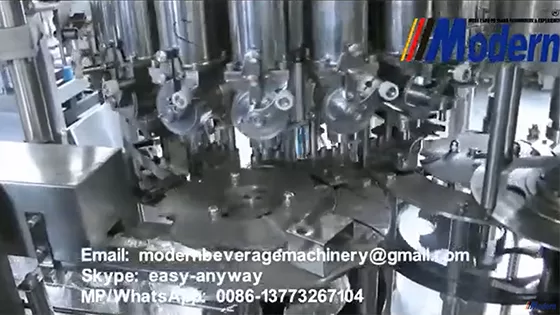
En el mundo de la fabricación y el envasado, la eficiencia y la fiabilidad de los equipos son fundamentales. Una pieza tecnológica crucial en este ámbito es la máquina llenadora de líquidos no carbonatados. A medida que las industrias se expanden y las demandas de los consumidores evolucionan, comprender estas máquinas se vuelve esencial para optimizar los procesos de producción. Este artículo explora las funcionalidades, tipos, ventajas y áreas de aplicación de las máquinas llenadoras de líquidos no carbonatados, al tiempo que ofrece información práctica sobre cómo seleccionar la maquinaria ideal para sus operaciones.
¿Qué es una máquina llenadora de líquidos no carbonatados?
Una máquina llenadora de líquidos no carbonatados está diseñada para llenar envases con diversos líquidos que no contienen carbonatación. Estas máquinas se utilizan ampliamente en múltiples sectores, incluidos bebidas, cosméticos, productos farmacéuticos y productos alimenticios. El objetivo principal de estos sistemas es mejorar la eficiencia del proceso de llenado, garantizando al mismo tiempo precisión, consistencia y un desperdicio mínimo.
Componentes clave de las máquinas llenadoras de líquidos no carbonatados
Por lo general, las máquinas llenadoras de líquidos no carbonatados constan de varios componentes esenciales, entre ellos:
- Boquillas de llenado: Estos son vitales para el suministro preciso de líquido en los envases. Existen diferentes tipos de boquillas disponibles, según la viscosidad y el tipo de líquido.
- Sistemas de transporte: Las cintas transportadoras facilitan el movimiento automático de los envases, lo que reduce significativamente el trabajo manual.
- Paneles de control: Las máquinas modernas vienen equipadas con interfaces fáciles de usar para una operación y monitoreo sencillos.
- Sistemas de bombeo: Estos sistemas ayudan a transferir líquidos desde los tanques de almacenamiento a las boquillas de llenado, asegurando un flujo continuo.
- Mecanismos de seguridad: Muchas máquinas incluyen características para garantizar la seguridad de los trabajadores y evitar derrames o contaminación.
Tipos de máquinas llenadoras de líquidos no carbonatados
Las máquinas llenadoras de líquidos no carbonatados se pueden clasificar en diferentes tipos, cada una diseñada para aplicaciones específicas. Estos son los tipos más comunes:
Llenadoras volumétricas
Las llenadoras volumétricas miden el volumen de líquido a llenar y garantizan niveles de llenado consistentes en cada envase. Se utilizan ampliamente en industrias como la alimentaria y la cosmética, donde las mediciones precisas son cruciales. Los sistemas volumétricos pueden operarse de forma manual o automática, lo que los hace versátiles para diversas escalas de producción.
Llenadoras de pistón
Las máquinas llenadoras de pistón utilizan un mecanismo de pistón que succiona el líquido hacia un cilindro antes de descargarlo en un envase. Este método de llenado es especialmente eficaz para líquidos de alta viscosidad, como salsas y cremas. Las máquinas de pistón garantizan una alta precisión y pueden manejar diversas formas y tamaños de envases.
Llenadoras por gravedad
Las máquinas llenadoras por gravedad aprovechan la fuerza natural de la gravedad para dispensar líquido en los envases. Este tipo se utiliza normalmente para líquidos de baja viscosidad. Las llenadoras por gravedad tienen un diseño sencillo y son muy fiables, lo que las convierte en una opción popular en muchas industrias.
Llenadoras a presión
Las máquinas llenadoras a presión utilizan presión de aire para dispensar líquido en los envases. Este método es beneficioso para productos que requieren un llenado rápido, ya que reduce el riesgo de formación de espuma. Las llenadoras a presión se utilizan a menudo en la industria de bebidas para bebidas no carbonatadas.
Ventajas de las máquinas llenadoras de líquidos no carbonatados
La adopción de máquinas llenadoras de líquidos no carbonatados ofrece numerosos beneficios, entre ellos:
Mayor eficiencia
La automatización en las operaciones de llenado acelera significativamente la producción y minimiza los costos de mano de obra. Las máquinas llenadoras de líquidos no carbonatados pueden manejar grandes volúmenes de producto, lo que mejora la eficiencia operativa general.
Precisión mejorada
Estas máquinas garantizan niveles de llenado precisos, reduciendo las incidencias de sobrellenado y llenado insuficiente. Esta precisión minimiza el desperdicio y garantiza el cumplimiento de los estándares de la industria para el envasado.
Versatilidad
Las máquinas llenadoras de líquidos no carbonatados pueden manejar una amplia variedad de productos, incluidos salsas, aceites, detergentes y artículos de cuidado personal. Esta flexibilidad permite a los fabricantes diversificar su gama de productos sin tener que invertir en múltiples máquinas.
Reducción de costos laborales
La automatización conduce a una menor dependencia de la mano de obra, lo que resulta en una reducción de los gastos relacionados con el personal. Los empleados pueden centrarse en tareas de mayor valor, como el control de calidad y el mantenimiento de la maquinaria.
Factores a considerar al elegir una máquina llenadora de líquidos no carbonatados
La selección de la máquina llenadora de líquidos no carbonatados adecuada requiere una cuidadosa consideración de varios factores:
Características del producto
Comprender las características del líquido a llenar es crucial. Considere factores como la viscosidad, la temperatura y cualquier requisito de manipulación específico. Esta información ayudará a determinar el mejor tipo de llenadora para su aplicación.
Volumen de producción
Sus necesidades de volumen de producción influirán en la elección de la maquinaria. Evalúe la cantidad de envases que espera llenar por hora o por día y asegúrese de que la máquina seleccionada pueda satisfacer esas demandas de manera eficiente.
Tipos de envases
La forma y el material de los envases deben alinearse con las especificaciones de las máquinas llenadoras. Evalúe si necesita maquinaria capaz de manejar diversos tamaños y tipos de envases, incluidos vidrio, plástico y metal.
Consideraciones presupuestarias
Establecer un presupuesto es fundamental al invertir en maquinaria de llenado. Compare los costos con el retorno de la inversión (ROI) esperado y considere los gastos de mantenimiento a largo plazo para garantizar la viabilidad financiera.
Seguridad y mantenimiento de las máquinas llenadoras de líquidos
Mantener un rendimiento óptimo y estándares de seguridad es crucial para cualquier operación de fabricación. Estas son algunas prácticas esenciales para el mantenimiento de las máquinas llenadoras de líquidos no carbonatados:
Inspecciones periódicas
Realice inspecciones y controles de mantenimiento periódicos para identificar y solucionar posibles problemas con prontitud. Este enfoque proactivo ayudará a minimizar el tiempo de inactividad y prolongar la vida útil del equipo.
Capacitación para operadores
Asegúrese de que los operadores estén adecuadamente capacitados en el funcionamiento de la máquina, los procedimientos de seguridad y la resolución de problemas. El personal competente es esencial para mantener operaciones fluidas y prevenir accidentes.
Protocolos de limpieza
Implemente protocolos de limpieza rigurosos para evitar la contaminación, especialmente en industrias que trabajan con productos de consumo. La limpieza regular garantiza que el equipo permanezca en buenas condiciones de funcionamiento y cumpla con los estándares de salud y seguridad.
Conclusión: El futuro de las máquinas llenadoras de líquidos no carbonatados
La máquina llenadora de líquidos no carbonatados representa un componente vital en la fabricación moderna. A medida que las industrias continúan evolucionando, adoptar la automatización y la eficiencia es fundamental. Al invertir en las máquinas llenadoras de líquidos no carbonatados y en las prácticas adecuadas, las empresas pueden optimizar sus procesos de producción, satisfacer las demandas de los consumidores y seguir siendo competitivas en un mercado en constante cambio.
En conclusión, comprender los matices de las máquinas llenadoras de líquidos no carbonatados permite a los fabricantes tomar decisiones informadas. Mediante una cuidadosa consideración de las características del producto, el volumen de producción, la seguridad y el mantenimiento, las empresas pueden mejorar su capacidad operativa y buscar un crecimiento sostenible en el dinámico panorama actual.


