A medida que la demanda mundial de agua mineral embotellada sigue aumentando, la importancia de contar con máquinas llenadoras de agua mineral eficientes nunca ha sido tan evidente. Los fabricantes necesitan maquinaria avanzada y fiable que garantice la calidad constante de sus productos y, al mismo tiempo, optimice el rendimiento de la producción. En este artículo, profundizamos en los diversos aspectos de las máquinas llenadoras de agua mineral, centrándonos en sus tipos, características, beneficios y consideraciones para seleccionar la máquina adecuada para sus necesidades de fabricación.
El papel de las máquinas llenadoras de agua mineral en la producción
Las máquinas llenadoras de agua mineral desempeñan un papel crucial en el proceso de embotellado, tomando el agua de grandes contenedores y llenando botellas o envases más pequeños para su distribución al consumidor. Estas máquinas están diseñadas para realizar varias operaciones, incluyendo el enjuague, llenado, tapado y etiquetado, todo ello manteniendo estrictos estándares de higiene y garantizando un llenado preciso.
Tipos de máquinas llenadoras de agua mineral
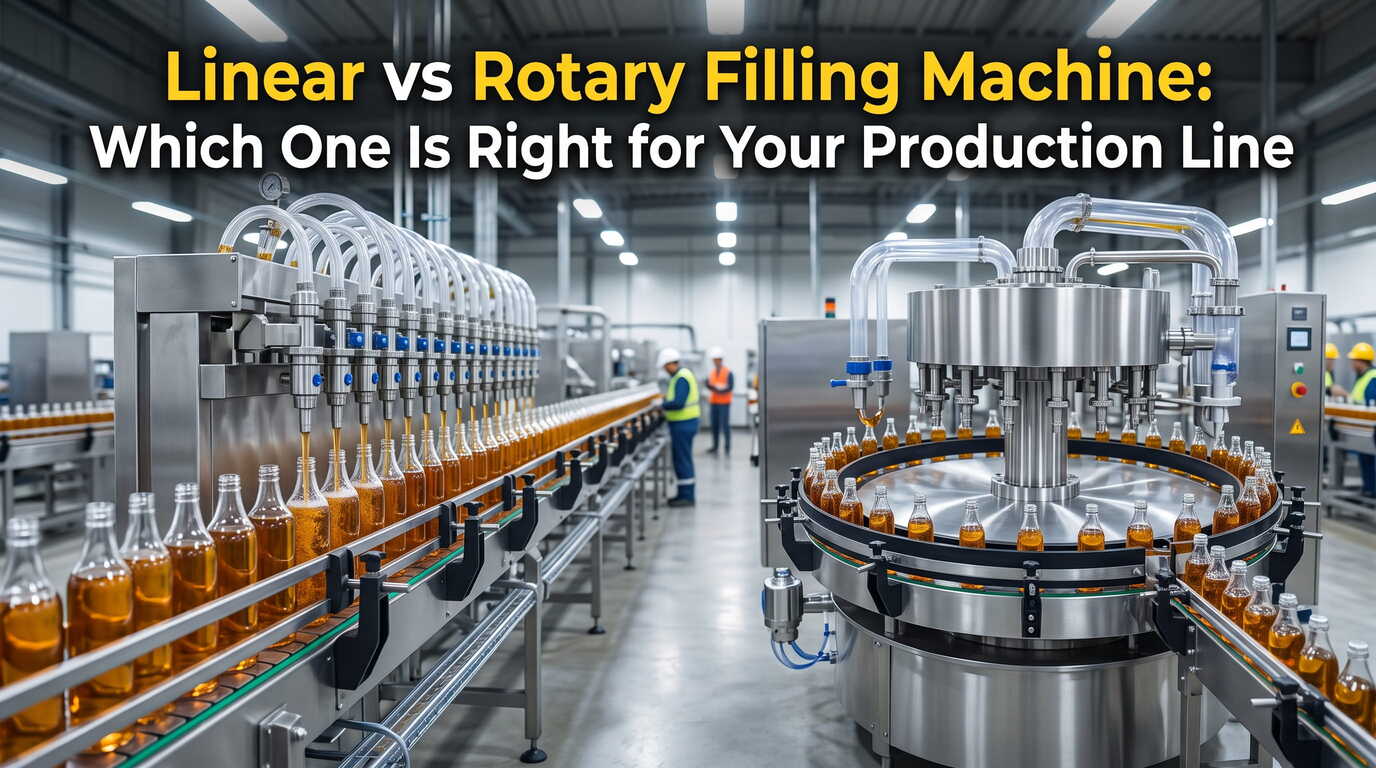
Comprender los diferentes tipos de máquinas llenadoras es esencial para que los fabricantes tomen decisiones informadas. Existen principalmente tres tipos de máquinas llenadoras utilizadas en el proceso de embotellado:
1. Máquinas de llenado por gravedad
Las máquinas llenadoras por gravedad funcionan según el principio de la gravedad. Esta maquinaria, sencilla pero eficaz, permite que el agua fluya libremente hacia los envases hasta que alcanzan un nivel predeterminado. Aunque generalmente son más lentas que otros sistemas de llenado, las llenadoras por gravedad son preferidas para líquidos de baja viscosidad, lo que las hace adecuadas para agua mineral sin gas.
2. Máquinas de llenado a presión
Estas máquinas utilizan presión para llenar las botellas de forma rápida y eficiente. Al crear un vacío o aplicar presión a la botella, el líquido es succionado hacia el interior del envase con rapidez. Las máquinas llenadoras por presión son especialmente ventajosas cuando se trata de bebidas carbonatadas, aunque también pueden adaptarse para agua mineral con una carbonatación mínima. Su capacidad de funcionamiento a alta velocidad las hace adecuadas para la producción a gran escala.
3. Máquinas de llenado al vacío
Las máquinas llenadoras al vacío son las más sofisticadas de las tres. Crean un vacío en el envase antes de llenarlo con agua mineral, minimizando así el riesgo de derrames y garantizando niveles de llenado precisos. Esta técnica es especialmente útil para agua embotellada con diferentes niveles de carbonatación o que contiene minerales añadidos. Los sistemas de llenado al vacío pueden automatizarse aún más, proporcionando una mayor eficiencia y reduciendo los costes de mano de obra.
Características esenciales de las máquinas llenadoras de agua mineral
Al seleccionar la máquina llenadora de agua mineral adecuada, los fabricantes deben considerar varias características críticas que mejoran la eficiencia operativa y la calidad del proceso de embotellado:
1. Niveles de automatización
Las máquinas modernas suelen presentar diversos grados de automatización, lo que puede mejorar significativamente la eficiencia. Los sistemas totalmente automatizados reducen la necesidad de intervención humana, minimizando los errores y garantizando la consistencia en la producción. Para plantas con altas demandas de producción, invertir en una línea de llenado automatizada podría generar beneficios sustanciales a largo plazo.
2. Estándares de higiene
Mantener la higiene es primordial en la industria de bebidas, especialmente cuando se trata de productos de consumo. Las máquinas llenadoras deben estar diseñadas para facilitar su limpieza y mantenimiento. Busque máquinas fabricadas en acero inoxidable, ya que son menos propensas a la corrosión y fáciles de desinfectar. Además, se debe dar prioridad a los sistemas que cumplan con los estándares internacionales de higiene.
3. Velocidades de llenado ajustables
La flexibilidad en la operación es esencial para satisfacer las diversas demandas de producción. Las máquinas llenadoras de alta calidad ofrecen velocidades de llenado ajustables que permiten a los fabricantes adaptarse según el tamaño del pedido y la urgencia. Esta característica ayuda a equilibrar la eficiencia de la producción y la calidad del producto.
4. Capacidades de integración
Las máquinas llenadoras que pueden integrarse perfectamente con otros equipos de producción son ideales, ya que pueden crear un flujo de trabajo más optimizado. Considere máquinas que puedan conectarse fácilmente con sistemas de etiquetado de botellas, embalaje y control de calidad para una mayor productividad.
Beneficios de utilizar máquinas llenadoras de agua mineral
La adopción de máquinas llenadoras de agua mineral avanzadas proporciona a los fabricantes numerosos beneficios:
1. Mayor eficiencia de producción
Una de las ventajas más significativas de utilizar maquinaria de llenado moderna es el aumento de la eficiencia de la producción. Automatizar el proceso de embotellado permite operaciones más rápidas, reduciendo el tiempo de inactividad y aumentando el rendimiento general. Esta eficiencia es vital en un mercado competitivo donde la demanda puede fluctuar drásticamente.
2. Garantía de calidad
La calidad constante es esencial para la lealtad a la marca y la satisfacción del consumidor. Las máquinas llenadoras diseñadas con precisión y equipadas con tecnología de control de calidad garantizan que cada botella se llene con precisión, minimizando el riesgo de sobrellenado o llenado insuficiente. Tal calidad constante salvaguarda la reputación de la marca.
3. Ahorro de costes
Aunque la inversión inicial en máquinas llenadoras tecnológicamente avanzadas puede ser sustancial, los ahorros a largo plazo en mano de obra, uso de materiales y errores de producción son notables. Una mayor eficiencia conduce a menores costes operativos, lo que permite a los fabricantes reasignar recursos hacia otras áreas de crecimiento.
4. Impacto medioambiental
Las máquinas llenadoras modernas están cada vez más diseñadas pensando en la sostenibilidad, optimizando el uso del agua y minimizando los residuos. Al elegir maquinaria energéticamente eficiente, los fabricantes pueden reducir su huella ambiental y atraer a los consumidores conscientes del medio ambiente.
Consideraciones al elegir una máquina llenadora de agua mineral
Con una miríada de opciones disponibles, es crucial que los fabricantes evalúen varios factores antes de realizar una compra:
1. Capacidad de producción
Evalúe el volumen de producción esperado y seleccione una máquina llenadora que pueda cumplir o superar esas necesidades. Si se enfrenta a picos estacionales en la demanda, considere máquinas con opciones de escalabilidad para facilitar los ajustes en la capacidad de producción.
2. Espacio y diseño
Asegúrese de que las dimensiones de la máquina se ajusten al espacio disponible en la fábrica. Además, considere el diseño de la línea de producción para facilitar operaciones fluidas y un fácil acceso para el mantenimiento.
3. Costes de operación y mantenimiento
Más allá del coste de compra inicial, es vital considerar los costes operativos y de mantenimiento asociados con el mantenimiento de la máquina. Investigue la disponibilidad de piezas de repuesto y los servicios de soporte del fabricante para garantizar operaciones ininterrumpidas.
Reflexiones finales: Invertir en el futuro
Invertir en la máquina llenadora de agua mineral adecuada es fundamental para los fabricantes que buscan satisfacer las crecientes demandas de los consumidores. A medida que la industria evoluciona, mantenerse informado sobre los últimos avances en tecnología de llenado permite a los fabricantes seguir siendo competitivos mientras garantizan la calidad del producto. Al centrarse en la eficiencia, la higiene y la flexibilidad, la maquinaria adecuada puede impulsar las operaciones de embotellado hacia un futuro sostenible y rentable. En este mercado en constante evolución, tomar decisiones informadas hoy sentará las bases para el éxito de mañana.