
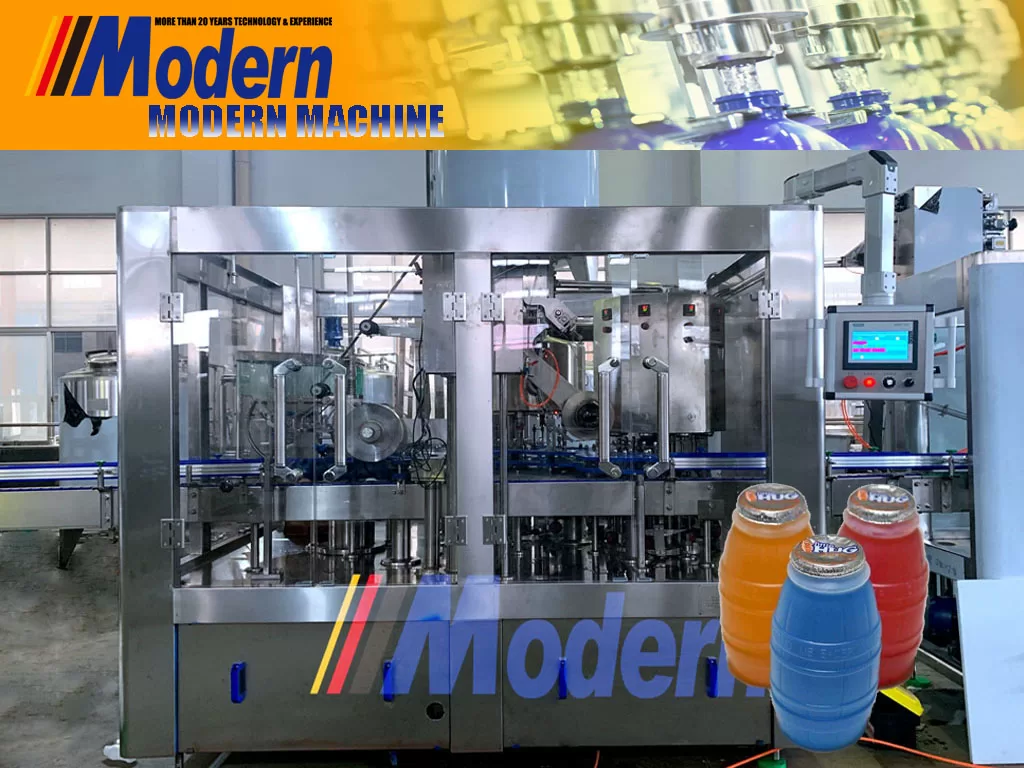
La industria láctea es uno de los sectores más vitales de la economía global, y la demanda de leche y productos a base de leche sigue aumentando. Como resultado, la necesidad de máquinas embotelladoras de leche eficientes, fiables y de alta calidad se ha vuelto primordial. Este artículo tiene como objetivo proporcionar una comprensión profunda de las máquinas embotelladoras de leche a la venta, su importancia, diversos tipos, características y consideraciones para la compra. Tanto si es fabricante, distribuidor o emprendedor que busca entrar en el mercado lácteo, esta guía le ofrecerá información práctica y consejos útiles.
La importancia de las máquinas embotelladoras de leche
Las máquinas embotelladoras de leche desempeñan un papel crucial en la cadena de suministro lácteo. Automatizan el proceso de llenado, tapado y etiquetado de botellas, asegurando que la leche se envasa de manera eficiente e higiénica. Las ventajas de utilizar tecnología de embotellado avanzada incluyen:
- Eficiencia: Las máquinas automatizadas reducen significativamente el tiempo necesario para llenar y envasar la leche, lo que permite a las empresas satisfacer la creciente demanda de los consumidores.
- Consistencia: Estas máquinas garantizan la uniformidad en los volúmenes de llenado, lo cual es esencial para mantener la calidad del producto y la confianza del consumidor.
- Higiene: Las máquinas embotelladoras modernas están diseñadas para cumplir con estrictos estándares de higiene, minimizando los riesgos de contaminación.
- Rentabilidad: Al reducir los costes laborales y aumentar la velocidad de producción, las empresas pueden mejorar sus resultados financieros.
Tipos de máquinas embotelladoras de leche
Al considerar una máquina embotelladora de leche, es esencial comprender los diversos tipos disponibles en el mercado. Cada tipo satisface diferentes necesidades y capacidades de producción:
1. Máquinas embotelladoras semiautomáticas
Las máquinas semiautomáticas requieren intervención manual para ciertos procesos, como colocar las botellas en la cinta transportadora. Son ideales para lecherías de tamaño pequeño a mediano y ofrecen un equilibrio entre automatización y coste. Estas máquinas suelen ser menos costosas que las opciones totalmente automáticas y son más fáciles de mantener.
2. Máquinas embotelladoras totalmente automáticas
Las máquinas totalmente automáticas manejan todo el proceso de embotellado con una mínima intervención humana. Están diseñadas para la producción a gran escala y pueden llenar, tapar y etiquetar botellas a altas velocidades. Aunque la inversión inicial es mayor, la eficiencia a largo plazo y la reducción de los costes laborales a menudo justifican el gasto.
3. Máquinas embotelladoras móviles
Las máquinas embotelladoras móviles son portátiles y pueden transportarse a varios lugares, lo que las hace adecuadas para el embotellado in situ en granjas o eventos. Estas máquinas suelen ser menos complejas y son ideales para operaciones a pequeña escala o mercados especializados.
Características clave a considerar
Al seleccionar una máquina embotelladora de leche, se deben tener en cuenta varias características para garantizar que satisfaga sus necesidades de producción:
1. Capacidad de producción
Evalúe la capacidad de producción de la máquina, que generalmente se mide en botellas por hora. Elija una máquina que se alinee con sus necesidades de producción actuales y que permita un crecimiento futuro.
2. Compatibilidad de botellas
Asegúrese de que la máquina pueda adaptarse a los tipos de botellas que planea utilizar, ya sean de vidrio, plástico o cartón. Algunas máquinas están diseñadas para formas y tamaños de botella específicos, por lo que la compatibilidad es crucial.
3. Estándares de higiene
Busque máquinas que cumplan con los estándares internacionales de higiene. Características como la construcción en acero inoxidable, superficies fáciles de limpiar y sistemas de limpieza automatizados son esenciales para mantener la seguridad del producto.
4. Tecnología y automatización
Considere el nivel de tecnología integrado en la máquina. Las funciones avanzadas como controles de pantalla táctil, configuraciones programables y monitoreo en tiempo real pueden mejorar la eficiencia operativa y la facilidad de uso.
5. Mantenimiento y soporte
Evalúe los requisitos de mantenimiento de la máquina y la disponibilidad de soporte técnico. Un proveedor confiable debe ofrecer un servicio posventa integral, que incluya capacitación y disponibilidad de repuestos.
Consideraciones de costos
El coste de las máquinas embotelladoras de leche puede variar significativamente según su tipo, características y capacidad de producción. Aquí hay algunos factores a considerar al presupuestar una máquina embotelladora de leche:
1. Inversión inicial
Las máquinas totalmente automáticas suelen tener un coste inicial más alto en comparación con las máquinas semiautomáticas o móviles. Evalúe su presupuesto y considere opciones de financiación si es necesario.
2. Costos operativos
Tenga en cuenta los costes operativos continuos, incluidos el consumo de energía, el mantenimiento y la mano de obra. Las máquinas eficientes pueden tener costes iniciales más altos, pero pueden generar ahorros a largo plazo.
3. Retorno de la inversión (ROI)
Calcule el ROI potencial


