
En el mundo de la fabricación y el envasado, las líneas de llenado lineal desempeñan un papel fundamental para garantizar la eficiencia, la precisión y la calidad en el proceso de producción. Para las empresas dedicadas al comercio exterior, comprender las complejidades de las líneas de llenado lineal puede proporcionar una ventaja competitiva. Este artículo profundiza en las diversas dimensiones de las líneas de llenado lineal, explorando su diseño, funcionalidad, ventajas y mejores prácticas para su implementación en un contexto de comercio global.
¿Qué es una línea de llenado lineal?
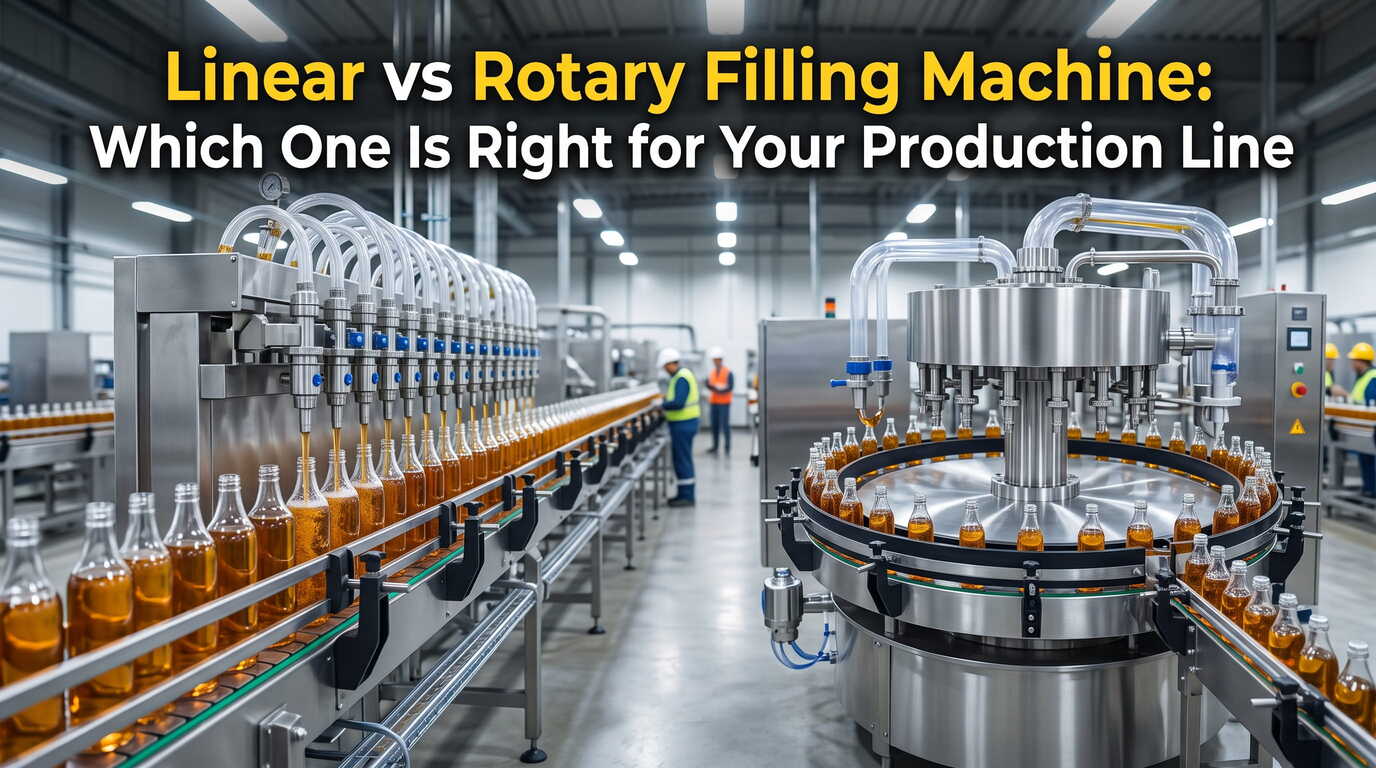
Una línea de llenado lineal es un tipo de línea de producción diseñada para llenar envases con líquidos, polvos o materiales granulados de forma secuencial. A diferencia de los sistemas de llenado rotativo, que funcionan con un movimiento circular, las líneas de llenado lineal utilizan una trayectoria recta, lo que permite una configuración más sencilla y un mantenimiento más fácil. Esta configuración es particularmente ventajosa para la producción de gran volumen, donde la velocidad y la consistencia son primordiales.
Componentes de una línea de llenado lineal
Comprender los componentes de una línea de llenado lineal es esencial para optimizar su rendimiento. Los elementos principales incluyen:
1. Sistema de alimentación
El sistema de alimentación es responsable de transportar los envases a la estación de llenado. Esto puede incluir cintas transportadoras, elevadores u otros mecanismos que aseguren un flujo constante de envases hacia el área de llenado.
2. Estación de llenado
La estación de llenado es donde ocurre el proceso de llenado propiamente dicho. Esto puede implicar diversas tecnologías, como el llenado volumétrico, gravimétrico o por bomba, dependiendo del producto que se esté llenando. La precisión es fundamental en esta etapa para minimizar el desperdicio y garantizar la integridad del producto.
3. Estación de tapado y sellado
Después del llenado, los envases suelen pasar a una estación de tapado y sellado, donde se aplican las tapas o cierres. Este componente es crucial para mantener la calidad del producto y evitar la contaminación durante el almacenamiento y el transporte.
4. Estación de etiquetado y codificación
El etiquetado es esencial para fines de cumplimiento y marketing. Una estación de etiquetado aplica etiquetas a los envases, mientras que los sistemas de codificación imprimen la información necesaria, como números de lote y fechas de caducidad.
5. Control de calidad
Los mecanismos de control de calidad están integrados en toda la línea de llenado lineal. Esto puede incluir sensores, básculas y sistemas de inspección que monitorean los niveles de llenado, detectan fugas y aseguran que los productos cumplan con los estándares especificados.
Ventajas de las líneas de llenado lineal
Las líneas de llenado lineal ofrecen varias ventajas que las convierten en una opción atractiva para los fabricantes, especialmente para aquellos involucrados en el comercio exterior:
1. Alta eficiencia
Las líneas de llenado lineal están diseñadas para operaciones de alta velocidad, lo que permite el procesamiento rápido de grandes volúmenes de productos. Esta eficiencia es vital para satisfacer las demandas de los mercados internacionales, donde el tiempo suele ser un factor crítico.
2. Flexibilidad
Estos sistemas pueden ajustarse fácilmente para adaptarse a diferentes tamaños de envases y tipos de productos. Esta flexibilidad es particularmente beneficiosa para las empresas que necesitan adaptarse a las condiciones cambiantes del mercado o a las preferencias de los clientes.
3. Consistencia y precisión
Con tecnologías de llenado avanzadas, las líneas de llenado lineal proporcionan niveles de llenado consistentes y precisos, reduciendo el desperdicio y garantizando la calidad del producto. Esta fiabilidad es crucial para mantener la reputación de la marca en mercados extranjeros competitivos.
4. Eficiencia de espacio
Las líneas de llenado lineal suelen requerir menos espacio en planta en comparación con los sistemas rotativos, lo que las hace adecuadas para instalaciones con espacio limitado. Esto puede generar ahorros de costos en términos de gestión de instalaciones y diseño de distribución.
Consideraciones para la implementación de líneas de llenado lineal
Al considerar la implementación de una línea de llenado lineal, se deben tener en cuenta varios factores para maximizar su eficacia:
1. Características del producto
Los diferentes productos requieren diferentes tecnologías de llenado. Comprender las propiedades físicas y químicas del producto, como la viscosidad, la volatilidad y la sensibilidad a la contaminación, es esencial para seleccionar el sistema de llenado adecuado.
2. Cumplimiento normativo
Para las empresas involucradas en el comercio exterior, el cumplimiento de las regulaciones internacionales es fundamental. Asegúrese de que la línea de llenado cumpla con los estándares pertinentes, como las Buenas Prácticas de Fabricación (GMP) y las regulaciones de seguridad alimentaria, para evitar sanciones costosas y retiradas de productos.
3. Mantenimiento y soporte
El mantenimiento regular es vital para la longevidad y la eficiencia de las líneas de llenado lineal. Establecer un programa de mantenimiento y tener acceso a soporte técnico puede prevenir tiempos de inactividad y garantizar operaciones fluidas.
4. Capacitación de los empleados
La capacitación adecuada para el personal que opera la línea de llenado es esencial. Los empleados deben conocer bien los procedimientos operativos, los protocolos de seguridad y las técnicas de resolución de problemas para maximizar la productividad y minimizar los riesgos.