En el panorama en constante evolución de la fabricación de alimentos y bebidas, las máquinas de llenado y envasado de zumos son componentes fundamentales en el proceso de producción y distribución. Estas máquinas son esenciales para mantener la calidad, la seguridad y la vida útil de los productos de zumo, permitiendo a los fabricantes envasar sus productos de manera eficiente mientras cumplen con los estándares de la industria. Este artículo profundiza en diversas dimensiones de las máquinas de llenado y envasado de zumos, aclarando su funcionamiento, tipos, beneficios y consideraciones críticas para las empresas que buscan mejorar su línea de producción.
La importancia de las máquinas de llenado y envasado de zumos
El mercado mundial de zumos está en auge, con consumidores que demandan cada vez más opciones de bebidas frescas, saludables y prácticas. En consecuencia, la necesidad de tecnologías avanzadas de llenado y envasado de zumos se ha disparado. Estas máquinas no solo agilizan las operaciones, sino que también garantizan la preservación de la integridad del zumo al minimizar la exposición a contaminantes y la oxidación.
Mejora de la eficiencia operativa
Las máquinas de llenado y envasado de zumos automatizan varias etapas del proceso de embotellado, reduciendo significativamente el trabajo manual y el error humano. La automatización avanzada permite tasas de producción más rápidas, adaptándose a los picos de demanda típicos del sector de los zumos, especialmente durante los meses de verano. La implementación de un sistema de llenado robusto puede mejorar la productividad y reducir los costes operativos.
Garantía de calidad y seguridad
El control de calidad es primordial en la industria de alimentos y bebidas. Las máquinas de llenado de zumos equipadas con tecnología de vanguardia pueden monitorear y regular el proceso de llenado, asegurando un control preciso del volumen y reduciendo los derrames. Además, las máquinas deben cumplir con estrictas normas de seguridad, salvaguardando tanto el producto como al consumidor mientras mantienen altos estándares de higiene.
Tipos de máquinas llenadoras de zumos
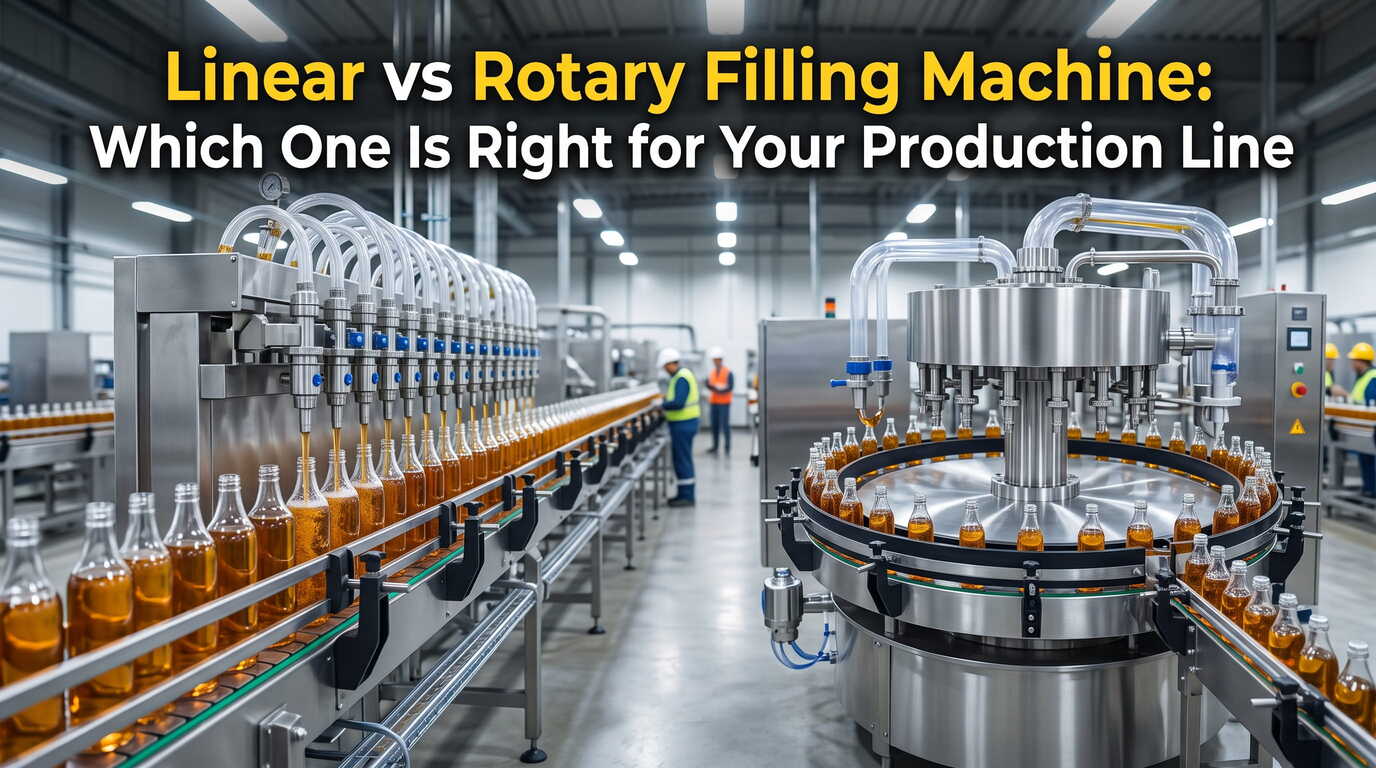
Comprender los diferentes tipos de máquinas de llenado de zumos es crucial para los fabricantes que buscan optimizar sus líneas de producción. En términos generales, estas máquinas se pueden clasificar en varias categorías según su mecanismo de acción.
Máquinas de llenado por gravedad
Las llenadoras por gravedad se encuentran entre los sistemas de llenado más simples y rentables. Funcionan según el principio de gravedad, extrayendo zumo de un depósito para llenar los envases. Aunque son ideales para bebidas sin gas, estas máquinas pueden tener limitaciones en cuanto a precisión y velocidad en comparación con otros sistemas.
Máquinas de llenado neumático
Las llenadoras neumáticas utilizan aire comprimido para suministrar zumo a los envases. Este método permite un mayor nivel de precisión y puede adaptarse a varios tamaños de envase. Las llenadoras neumáticas son particularmente efectivas para zumos más espesos que podrían resultar difíciles para las llenadoras por gravedad.
Máquinas llenadoras volumétricas
Estas máquinas miden un volumen específico de zumo para cada ciclo de llenado, asegurando porciones consistentes y precisas para cada botella o cartón. Las máquinas de llenado volumétrico se utilizan ampliamente en industrias que priorizan la precisión, lo que las convierte en una opción fiable para los fabricantes.
Máquinas de llenado por tornillo sin fin
Ideales para productos en polvo o viscosos, las llenadoras de tornillo sin fin utilizan un mecanismo de tornillo para dispensar el contenido. Estas máquinas no se encuentran tan comúnmente en la producción de zumos, pero pueden ser fundamentales para mezclas de zumo en polvo aromatizadas o concentrados de zumo.
Máquinas de llenado electrónico
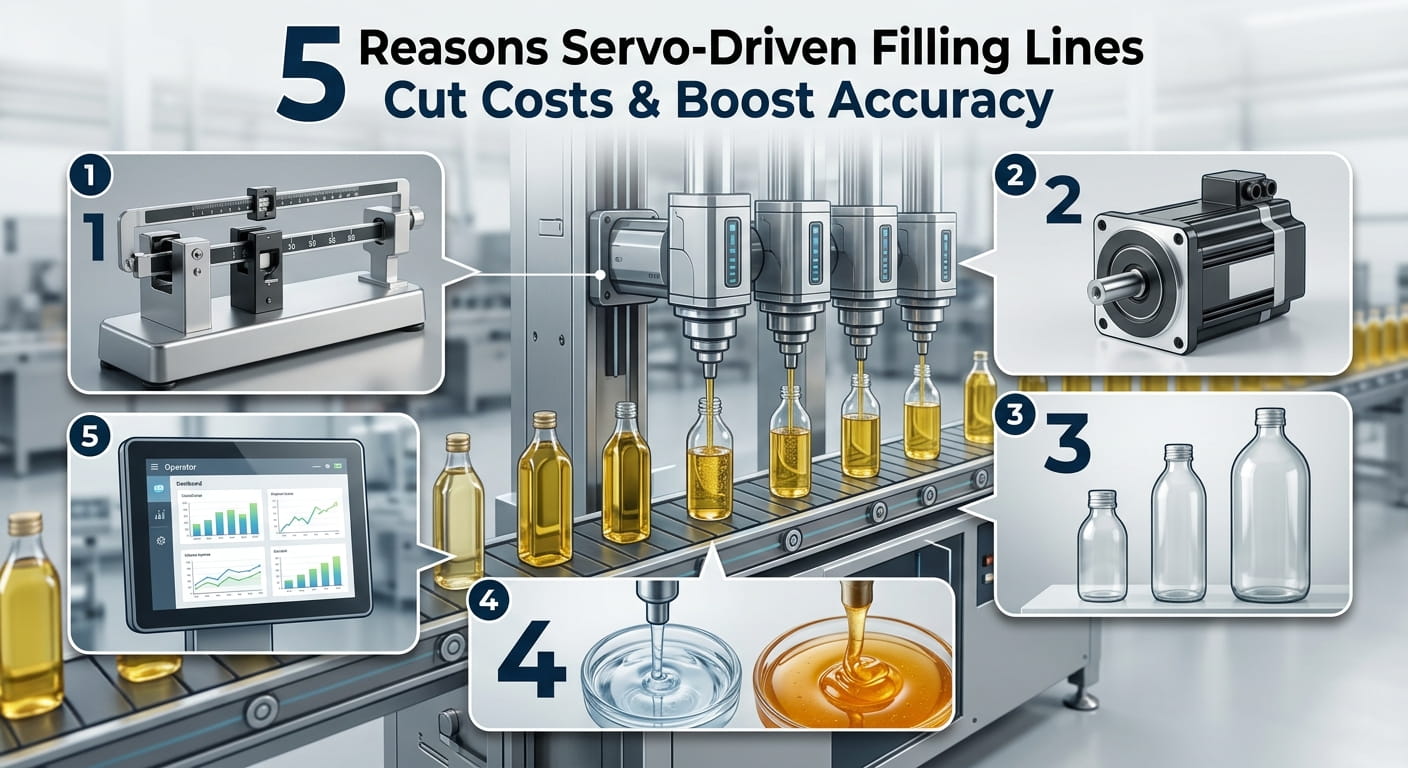
Los avances tecnológicos han llevado al desarrollo de máquinas de llenado electrónico que incorporan sistemas de control digital. Estas máquinas ofrecen una mayor precisión y pueden programarse fácilmente para ajustar el volumen de llenado, lo que las hace altamente adaptables a diversas necesidades de producción.
Opciones de envasado en la producción de zumos
Una vez que el zumo se introduce en los envases, el proceso de envasado cobra protagonismo. La elección del envase puede afectar significativamente el atractivo del producto, su conservación y la eficiencia del transporte.
Envasado en cartón
Los envases de cartón son una opción popular para los productos de zumo, ya que ofrecen una excelente protección contra la luz y el oxígeno. Con los avances en la tecnología Tetra Pak, los fabricantes pueden utilizar sistemas de envasado aséptico para prolongar la vida útil sin necesidad de refrigeración.
Envasado en botella
Las botellas, hechas de vidrio o plástico, son opciones tradicionales para los productos de zumo. El vidrio ofrece una apariencia de alta gama y se puede reciclar fácilmente, mientras que el plástico es ligero y menos frágil. El diseño de la botella, incluido el acabado del cuello y los sistemas de tapón, juega un papel vital en el mantenimiento de la frescura y la comodidad del usuario.
Envasado en bolsa (pouch)
Las bolsas están ganando terreno en el mercado de los zumos debido a su naturaleza ligera y rentabilidad. Las bolsas verticales (stand-up pouches) son particularmente populares, ya que ofrecen una apariencia moderna y opciones de almacenamiento convenientes, atendiendo a los consumidores que están en movimiento.
Elección de la máquina de llenado y envasado de zumos adecuada
Para los fabricantes que buscan invertir en maquinaria de llenado y envasado de zumos, se deben considerar varios factores clave para garantizar que se adapte a sus necesidades de producción.
Volumen y velocidad de producción
Evaluar el volumen de producción promedio y la velocidad deseada es esencial. Las instalaciones de alto rendimiento pueden requerir máquinas más avanzadas y de alta velocidad capaces de gestionar grandes cantidades de manera eficiente. Por el contrario, las empresas más pequeñas pueden optar por máquinas más adaptables que se ajusten a volúmenes de producción más bajos.
Características del zumo
Comprender la naturaleza del zumo que se procesa es primordial. La viscosidad, la acidez y la temperatura del zumo influirán en la elección de la tecnología de llenado. Los fabricantes también deben considerar si el zumo incluye pulpa u otras partículas, ya que esto puede afectar la dinámica de fluidos durante el proceso de llenado.
Normas de cumplimiento y seguridad
Los fabricantes de zumos deben cumplir con las normativas locales e internacionales de seguridad alimentaria. Al seleccionar la maquinaria, asegúrese de que el equipo cumpla con todas las certificaciones necesarias y se adhiera a los estándares de higiene y operativos esenciales en la industria de alimentos y bebidas.
Escalabilidad
A medida que las empresas crecen, sus necesidades de producción evolucionarán inevitablemente. Invertir en maquinaria que sea fácilmente actualizable o escalable puede proporcionar la flexibilidad necesaria para adaptarse a un mayor rendimiento sin gastos adicionales significativos en el futuro.
Mantenimiento y soporte
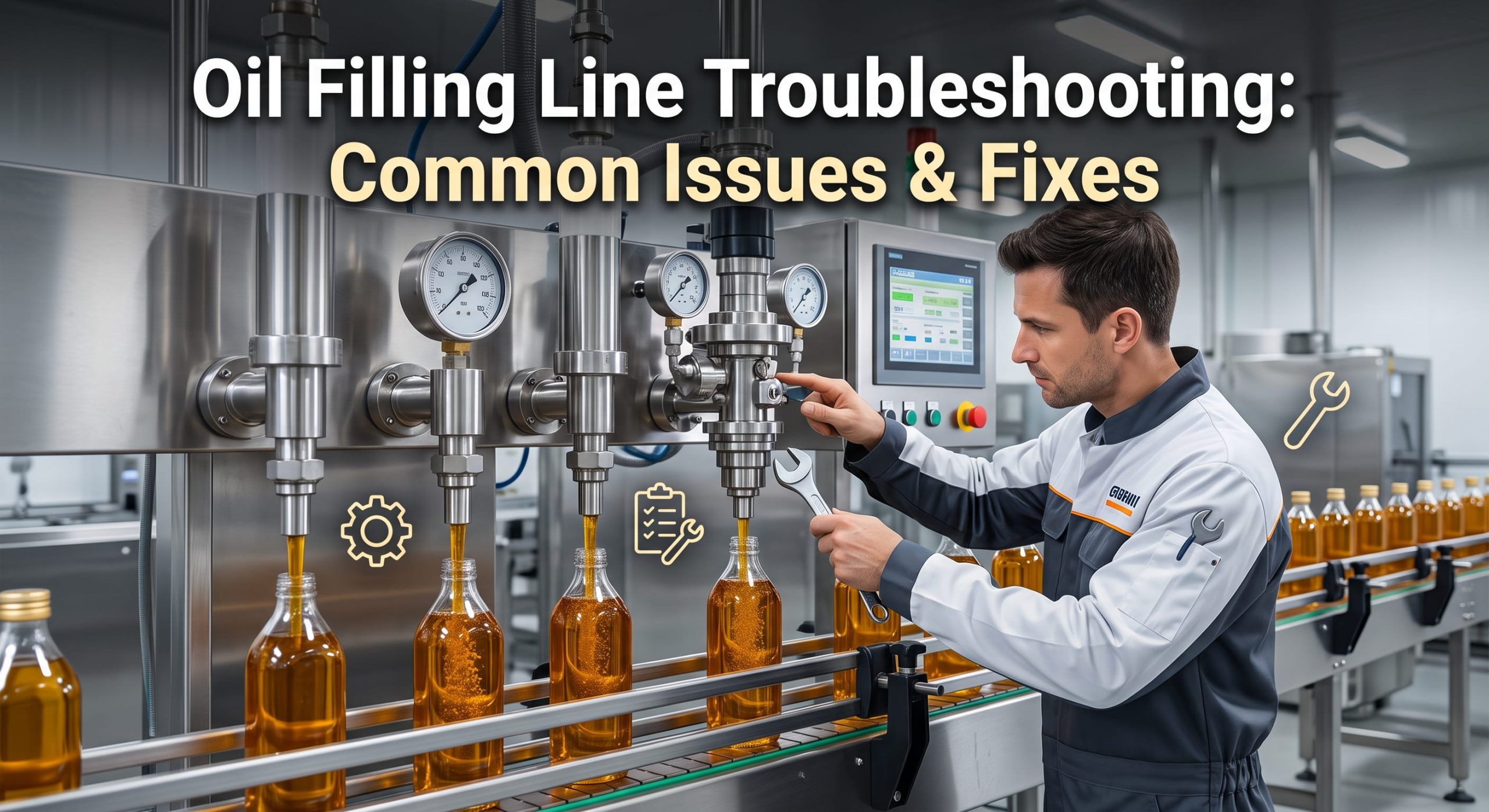
El mantenimiento adecuado de las máquinas de llenado y envasado es crucial para garantizar la longevidad y un rendimiento óptimo. Los fabricantes deben establecer un programa de mantenimiento rutinario, que incluya inspecciones, limpieza y servicio regulares para evitar cualquier problema operativo.
Si se adquiere maquinaria compleja, es esencial considerar el nivel de soporte técnico proporcionado por el proveedor. Los fabricantes deben buscar oportunidades de formación y un servicio al cliente fácilmente accesible para abordar cualquier desafío potencial con prontitud.
Conclusión
En el panorama de la producción de zumos, invertir en máquinas de llenado y envasado de alta calidad es crucial para garantizar la integridad del producto, mejorar la eficiencia operativa y mantener los estándares de seguridad. Comprender los diversos tipos de maquinaria disponibles, sus funcionalidades y los factores que influyen en la selección de la máquina puede permitir a los fabricantes tomar decisiones informadas.
A medida que el mercado de los zumos continúa creciendo y evolucionando, mantenerse al tanto de los avances tecnológicos y las preferencias de los consumidores permitirá a los fabricantes posicionarse con éxito. Con las máquinas de llenado y envasado de zumos adecuadas, las empresas pueden lograr eficiencia, calidad y rentabilidad en una industria cada vez más competitiva.