
A medida que la industria de las bebidas continúa evolucionando, uno de los componentes clave que impulsa esta transformación es la máquina llenadora de jugos. En una era en la que la demanda de los consumidores de bebidas frescas y naturales está en su punto más alto, comprender los diversos aspectos de las máquinas llenadoras de jugos puede proporcionar información crítica tanto para fabricantes como para distribuidores y emprendedores. Este artículo tiene como objetivo profundizar en las complejidades de las máquinas llenadoras de jugos, sus mecanismos operativos, tipos, beneficios, consideraciones de uso y las tendencias futuras que influyen en su desarrollo.
¿Qué es una máquina llenadora de jugos?
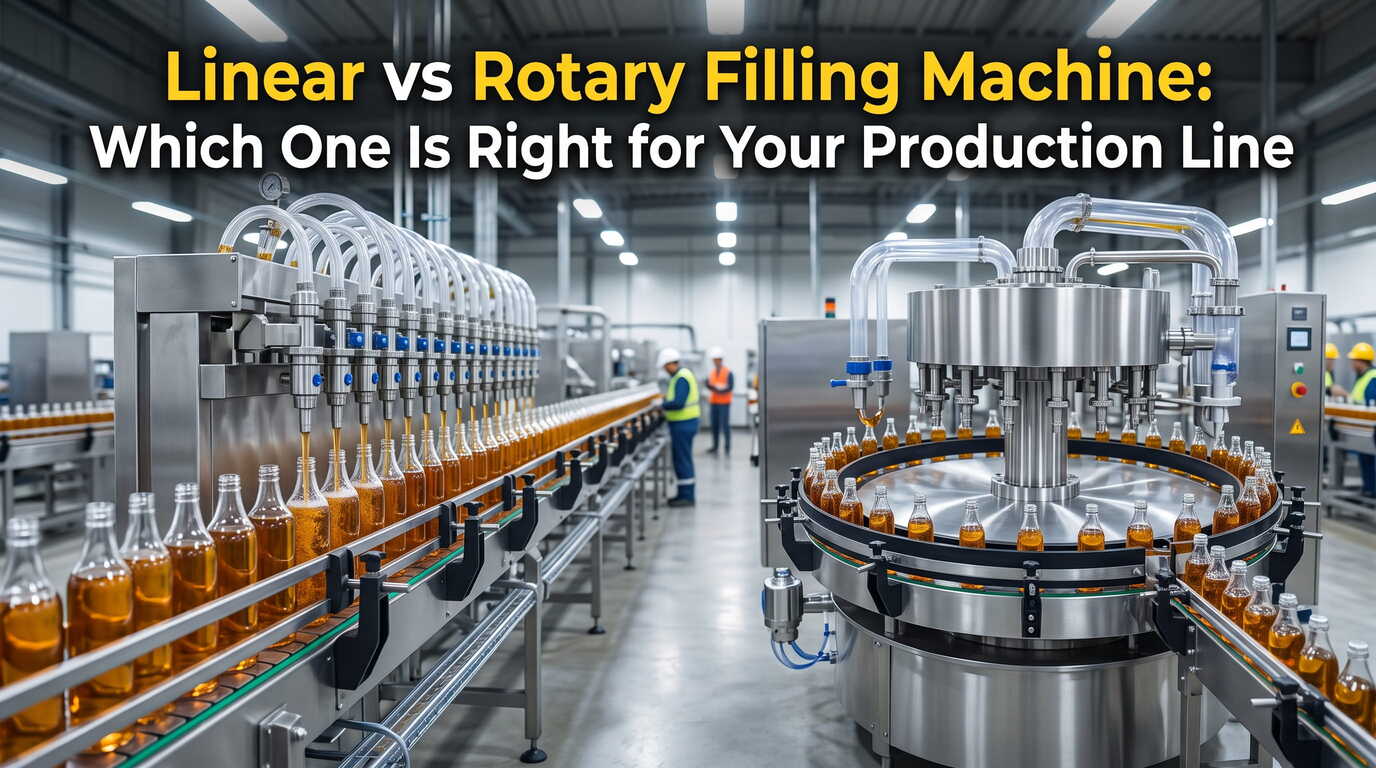
Una máquina llenadora de jugos es un equipo especializado diseñado para llenar con precisión botellas o envases con jugo. Estas máquinas aseguran que el jugo se dispense de manera higiénica, al tiempo que optimizan la eficiencia de la línea de producción. Las máquinas llenadoras de jugos varían en sus especificaciones según el tipo de jugo que se procese, el volumen de producción y el grado de automatización deseado.
Tipos de máquinas llenadoras de jugos
1. Máquinas llenadoras de jugos por gravedad
Las máquinas llenadoras de jugos por gravedad funcionan bajo el principio de utilizar la gravedad para dispensar el jugo en las botellas. Este método es particularmente eficaz para líquidos poco viscosos, como el agua y los jugos ligeros. Los componentes principales de la máquina incluyen una tolva donde se almacena el jugo y una boquilla que lo dispensa en los envases. Este tipo es conocido por su simplicidad y facilidad de uso, lo que lo convierte en una opción común para operaciones más pequeñas.
2. Máquinas llenadoras de jugos al vacío
Las máquinas llenadoras al vacío funcionan creando un vacío que succiona el jugo hacia el interior del envase. Este método reduce significativamente el riesgo de formación de espuma, lo que lo hace ideal para llenar jugos carbonatados y líquidos más espesos. El mecanismo de vacío garantiza un proceso de llenado suave sin atrapamiento de aire, preservando la integridad y la calidad del jugo.
3. Máquinas llenadoras de jugos por pistón
Las máquinas llenadoras por pistón utilizan un mecanismo de pistón para extraer el jugo de un tanque de almacenamiento y llenar los envases con precisión hasta un volumen determinado. Este tipo es altamente versátil y es adecuado para llenar jugos de diversas viscosidades, desde líquidos ligeros hasta purés espesos. La precisión que ofrecen las máquinas de pistón las convierte en la opción preferida en entornos de producción en masa.
4. Máquinas llenadoras electrónicas
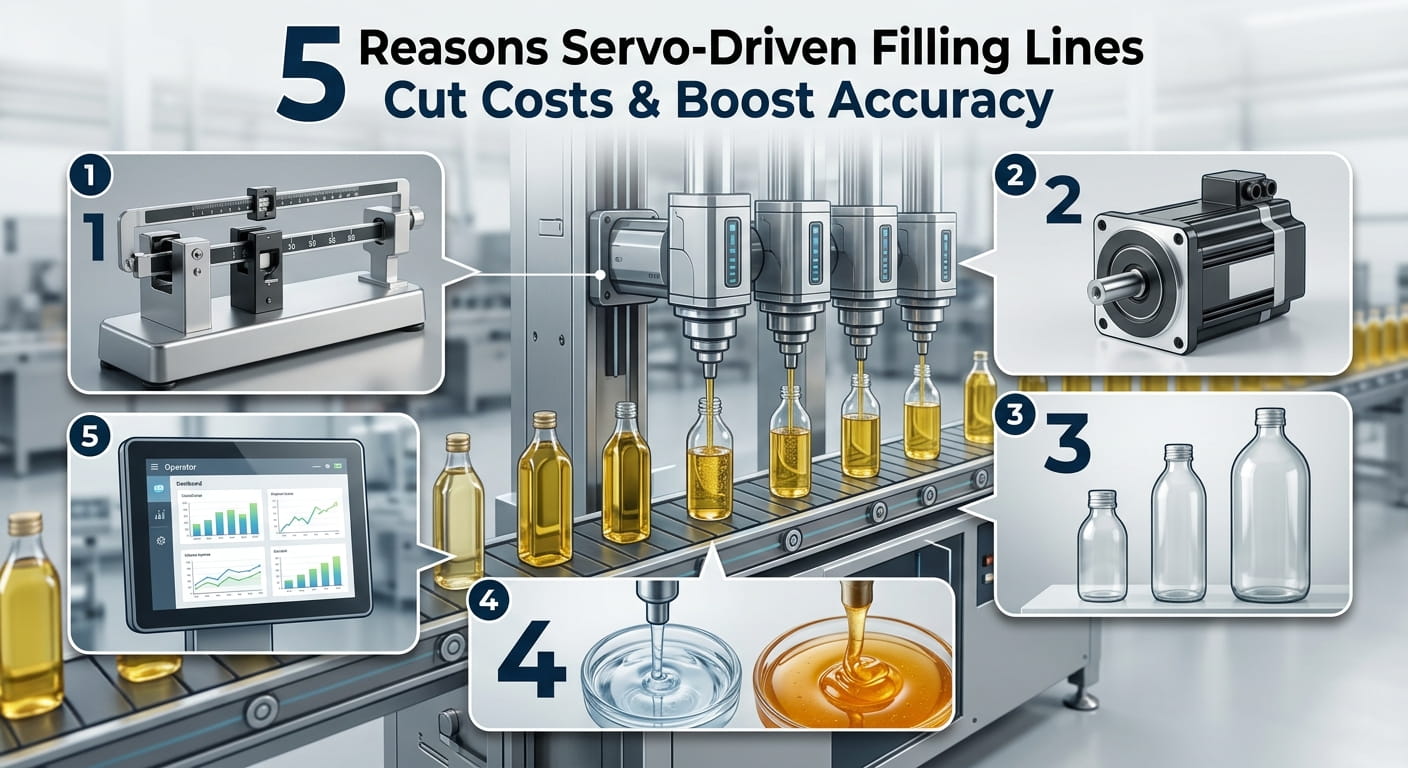
Las máquinas llenadoras de jugos electrónicas incorporan tecnologías sofisticadas para automatizar el proceso de llenado. Equipadas con controles y sensores avanzados, estas máquinas garantizan un llenado preciso con una mínima intervención humana. Características como velocidades de llenado ajustables, apagado automático y sistemas de monitoreo para la consistencia ayudan a mejorar la eficiencia y la precisión de la producción.
La importancia de elegir la máquina llenadora de jugos adecuada
Invertir en la máquina llenadora de jugos correcta puede afectar significativamente la eficiencia de una línea de producción de bebidas. Se deben considerar varios factores al seleccionar la máquina adecuada:
1. Tipo de zumo
La viscosidad y las características del jugo determinarán el tipo de máquina llenadora necesaria. Por ejemplo, los jugos más espesos pueden requerir llenadoras de pistón o al vacío, mientras que los fluidos más ligeros pueden manejarse eficazmente con máquinas por gravedad.
2. Volumen de producción
Comprender el volumen de producción previsto es fundamental. Las operaciones de bajo volumen pueden beneficiarse de máquinas semiautomáticas, mientras que las instalaciones más grandes requerirían sistemas totalmente automatizados para mantener la eficiencia y reducir los costos laborales.
3. Consideraciones presupuestarias
El costo de la maquinaria puede variar significativamente según el tipo, la marca y las características. Las empresas deben equilibrar sus limitaciones presupuestarias con sus necesidades operativas, buscando a menudo soluciones rentables que no comprometan la calidad.
Eficiencia operativa y mantenimiento
Operar una máquina llenadora de jugos implica seguir las mejores prácticas específicas que mejoran la eficiencia y prolongan la vida útil de la máquina:
1. Mantenimiento regular
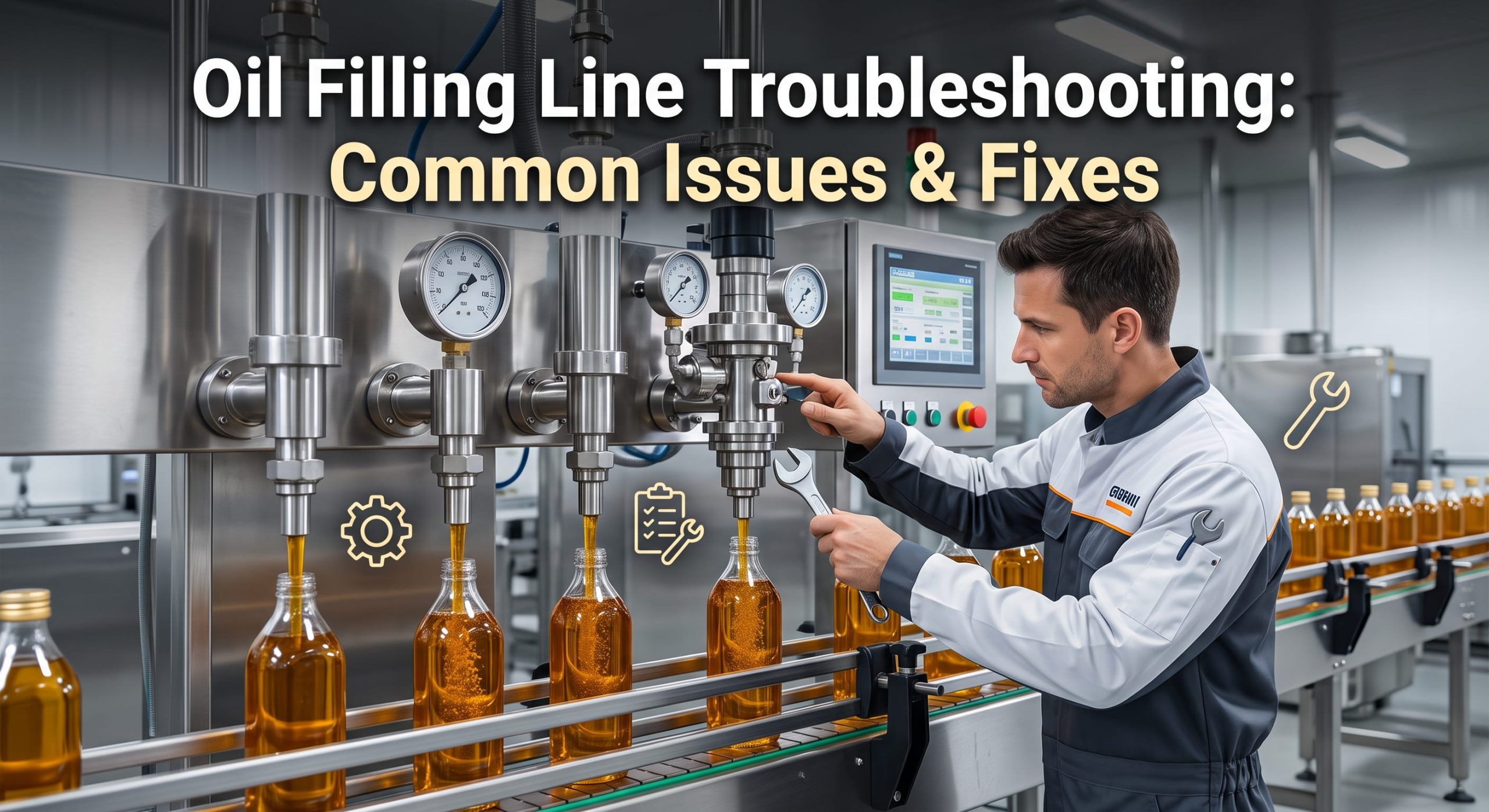
Las revisiones de mantenimiento de rutina son esenciales para garantizar que la máquina funcione de manera eficaz. Esto incluye la limpieza, la lubricación y el reemplazo de piezas desgastadas. Una máquina bien mantenida reduce el riesgo de averías y garantiza una producción constante.
2. Capacitación del personal
Capacitar al personal en el funcionamiento y la resolución básica de problemas de las máquinas llenadoras puede tener un impacto significativo en la eficiencia general. Asegurarse de que los operadores comprendan las funcionalidades y los protocolos de seguridad de la máquina puede evitar contratiempos operativos y reducir el tiempo de inactividad.
3. Control de calidad
Implementar un sistema sólido de control de calidad (QC) es vital. Las revisiones periódicas del volumen de llenado, la precisión de la medición y los estándares de higiene garantizarán que el producto final cumpla con las expectativas del consumidor y los requisitos reglamentarios.
Beneficios de las máquinas llenadoras de jugos
Invertir en máquinas llenadoras de jugos ofrece numerosos beneficios que pueden mejorar la eficacia operativa de la producción de bebidas:
1. Mayor eficiencia
Las máquinas llenadoras de jugos agilizan el proceso de llenado, reduciendo significativamente el tiempo necesario para embotellar los jugos en comparación con los métodos de llenado manual. Este aumento en la velocidad operativa puede conducir a mayores tasas de producción y mejores tiempos de entrega.
2. Calidad constante
Los procesos de llenado automatizados minimizan el error humano, facilitando la uniformidad en la calidad del producto. Esta consistencia es esencial para mantener la reputación de la marca y cumplir con las expectativas del consumidor.
3. Higiene mejorada
Las máquinas llenadoras de jugos están diseñadas para mantener altos estándares de higiene, los cuales son fundamentales en la industria de alimentos y bebidas. Los sistemas automatizados minimizan el contacto humano con el producto, reduciendo los riesgos de contaminación.
Tendencias futuras que dan forma a la tecnología de llenado de jugos
A medida que la industria de las bebidas continúa avanzando, las tendencias emergentes están influyendo en el desarrollo de las máquinas llenadoras de jugos:
1. Prácticas sostenibles
Existe un enfoque creciente en la sostenibilidad dentro del sector manufacturero. Las máquinas llenadoras de jugos se diseñan cada vez más con materiales ecológicos y tecnologías energéticamente eficientes, lo que no solo ayuda a las empresas a reducir su huella de carbono, sino que también atrae a los consumidores conscientes del medio ambiente.
2. Industria 4.0 e integración de IoT
La integración del Internet de las cosas (IoT) en la tecnología de llenado de jugos está revolucionando las capacidades operativas. Las máquinas inteligentes pueden proporcionar datos en tiempo real sobre las métricas de producción, identificar necesidades de mantenimiento y optimizar el rendimiento basándose en el análisis de datos históricos.
3. Personalización y flexibilidad
Con las diversas preferencias de los consumidores, la demanda de soluciones de bebidas personalizadas va en aumento. Es probable que las futuras máquinas llenadoras de jugos ofrezcan una mayor flexibilidad para adaptarse a diversos tamaños, formas y tipos de jugo, lo que permitirá a los productores adaptarse rápidamente a las tendencias del mercado.
Conclusión
En conclusión, las máquinas llenadoras de jugos sirven como piedra angular en la producción de bebidas, desempeñando un papel fundamental para garantizar la calidad, la eficiencia y la higiene. Al comprender los diversos tipos de máquinas llenadoras, sus beneficios operativos y la importancia de prepararse para el futuro a través de la innovación, las empresas pueden navegar mejor por el panorama dinámico de la industria de las bebidas. Invertir en la solución de llenado adecuada no solo mejora la productividad, sino que también posiciona a las empresas para satisfacer las demandas siempre cambiantes de los consumidores en el mercado actual.