
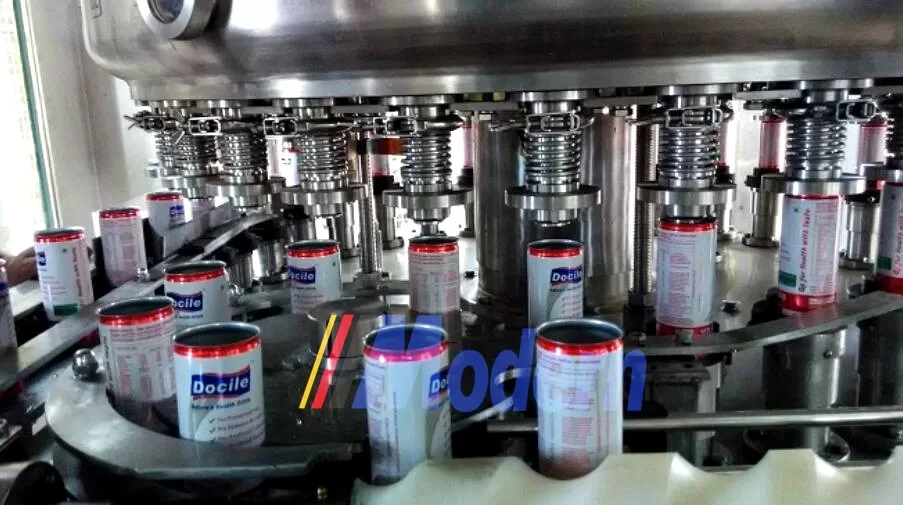
La industria del jugo ha evolucionado rápidamente en las últimas décadas, impulsada por la demanda de los consumidores de opciones más saludables y envases convenientes. Uno de los componentes más cruciales en el proceso de embotellado y envasado de productos de jugo es la máquina llenadora de latas de jugo. Este artículo tiene como objetivo proporcionar un análisis profundo de las máquinas llenadoras de latas de jugo, cubriendo sus tipos, principios de funcionamiento, ventajas y mejores prácticas para seleccionarlas y mantenerlas en un entorno de producción.
¿Qué es una máquina llenadora de latas de jugo?
Una máquina llenadora de latas de jugo es un equipo automatizado diseñado para llenar y sellar latas con jugo líquido. Estas máquinas desempeñan un papel fundamental en el proceso de fabricación de bebidas, asegurando que los productos se llenen, sellen y conserven de manera eficiente para su transporte y venta. El proceso de llenado generalmente implica una medición precisa para evitar el desperdicio y garantizar que cada lata contenga la cantidad exacta de jugo especificada.
Tipos de máquinas llenadoras de latas de jugo
Las máquinas llenadoras de latas de jugo varían en diseño y funcionalidad, adaptándose a diferentes requisitos de producción. Estos son algunos de los tipos más comunes:
1. Máquinas de llenado por gravedad
Las máquinas de llenado por gravedad funcionan según el principio de gravedad, permitiendo que el jugo fluya desde un depósito hacia las latas. Estas máquinas son ideales para bebidas sin gas, donde la viscosidad del producto es baja. Las llenadoras por gravedad tienen un diseño simple, son fáciles de operar y adecuadas para tasas de producción bajas a moderadas.
2. Máquinas de llenado a presión
Este tipo de máquina utiliza presión para llenar las latas, lo que la hace ideal para productos con niveles de viscosidad más altos o aquellos que contienen pulpa. Las máquinas de llenado por presión son capaces de mantener la integridad del jugo al reducir la cantidad de exposición al oxígeno durante el llenado, lo que ayuda a preservar la frescura.
3. Máquinas de llenado al vacío
Las máquinas de llenado al vacío eliminan el aire de la lata antes del llenado, creando un vacío que permite que el jugo fluya suavemente. Este proceso minimiza el riesgo de oxidación y es particularmente beneficioso para productos sensibles que pueden echarse a perder rápidamente cuando se exponen al oxígeno.
4. Máquinas llenadoras accionadas por servomotores
Estas máquinas de vanguardia utilizan servomotores para un llenado preciso y una operación rápida. Pueden manejar varios tamaños y formas de latas sin requerir cambios extensos. Las máquinas llenadoras accionadas por servomotores son eficientes y a menudo vienen equipadas con tecnología de punta para monitorear y controlar todo el proceso de llenado.
Principios de funcionamiento de las máquinas llenadoras de latas de jugo
La operación de una máquina llenadora de latas de jugo implica varios pasos, asegurando que el jugo se llene correctamente mientras se mantiene la higiene y la integridad del sabor. A continuación, se presenta un resumen del proceso típico:
1. Preparación de las latas
El proceso comienza con la limpieza y esterilización de las latas vacías para eliminar cualquier contaminante. Este paso es crucial para preservar la calidad del jugo y prolongar su vida útil.
2. Llenado
Una vez que las latas están preparadas, se introducen en la máquina llenadora. Dependiendo del tipo de sistema de llenado empleado, el jugo se dispensa en las latas utilizando técnicas de gravedad, presión o vacío. La máquina asegura que cada lata se llene hasta un nivel predeterminado, con mecanismos implementados para evitar el sobrellenado y los derrames.
3. Sellado
Después del proceso de llenado, las latas se sellan utilizando varios métodos, como cierres enrollables o tapas de enlatado. Este paso es esencial para crear un sello hermético que evite fugas y contaminación.
4. Control de calidad
Las máquinas llenadoras de jugo avanzadas vienen con sensores y sistemas integrados para el control de calidad en tiempo real. Estos sistemas monitorean los niveles de llenado, detectan anomalías y aseguran que las latas estén correctamente selladas. Esto no solo mejora la calidad del producto, sino que también reduce la probabilidad de retiradas del mercado debido a problemas de calidad.
Ventajas de utilizar máquinas llenadoras de latas de jugo
Incorporar una máquina llenadora de latas de jugo en su línea de producción ofrece varias ventajas:
1. Mayor eficiencia
Los sistemas de llenado automatizados reducen significativamente el tiempo requerido para el llenado manual, lo que se traduce en una mayor producción y una mejor productividad. Esta eficiencia es crucial para satisfacer las demandas de los consumidores y seguir el ritmo de las tendencias del mercado.
2. Calidad constante
Las máquinas diseñadas para el llenado aseguran que cada lata reciba el mismo volumen de jugo, lo que contribuye a una calidad de producto consistente. Además, los sistemas automatizados minimizan los errores humanos que pueden ocurrir durante el llenado manual.
3. Reducción de los costos laborales
Al automatizar el proceso de llenado, las empresas pueden reducir los costos laborales asociados con el llenado manual. Esto permite a las empresas asignar recursos a otras áreas vitales, como el marketing y el desarrollo de productos.
4. Higiene mejorada
Las máquinas llenadoras de latas de jugo modernas están diseñadas teniendo en cuenta la higiene, empleando materiales y sistemas que reducen el riesgo de contaminación. Esto es especialmente importante en la industria de alimentos y bebidas, donde la seguridad del consumidor es primordial.
Cómo elegir la máquina llenadora de latas de jugo adecuada
Seleccionar la máquina adecuada para su línea de producción requiere una consideración cuidadosa. Aquí hay algunos factores a evaluar:
1. Volumen de producción
Evalúe sus necesidades de producción y determine el rendimiento requerido. Diferentes máquinas se adaptan a diferentes escalas de producción, así que elija una que se alinee con sus objetivos comerciales.
2. Características del producto
Considere la viscosidad, la temperatura y cualquier materia particulada presente en su jugo. La máquina llenadora debe ser capaz de manejar estos aspectos sin comprometer la calidad.
3. Flexibilidad
Si planea ofrecer múltiples variedades de jugo o tamaños de lata, opte por una máquina llenadora que permita cambios fáciles para minimizar el tiempo de inactividad.
4. Presupuesto
El costo sigue siendo un factor decisivo clave. Al considerar el presupuesto, evalúe los retornos de inversión a largo plazo, incluidos los costos de mantenimiento y cualquier posible ganancia de eficiencia.
Mejores prácticas para el mantenimiento y la operación
Para garantizar la longevidad y el rendimiento óptimo de su máquina llenadora de latas de jugo, siga estas mejores prácticas de mantenimiento y operación:
1. Limpieza regular
Establezca un programa de limpieza de rutina para la máquina a fin de evitar contaminantes y mantener los estándares de higiene. Esto incluye desinfectar las piezas que entran en contacto directo con el jugo.
2. Mantenimiento programado
Planifique revisiones de mantenimiento periódicas para identificar cualquier desgaste en los componentes. La detección temprana de problemas puede evitar averías costosas.
3. Capacitación del operador
Invierta en capacitar a su personal para operar la máquina correctamente. El personal bien capacitado puede maximizar las capacidades de la máquina y minimizar el tiempo de inactividad debido a errores operativos.
4. Monitorear el rendimiento
Utilice análisis de datos para monitorear continuamente el rendimiento de la máquina llenadora. Mantenga registros de la producción, problemas de calidad y actividades de mantenimiento para identificar áreas de mejora.
Conclusión
La industria de los zumos está preparada para un crecimiento continuo a medida que los consumidores buscan opciones más saludables. Las máquinas llenadoras de latas de zumo representan un componente vital en este mercado en auge, asegurando que los productos se envasen de manera eficiente e higiénica. Al comprender los tipos de máquinas disponibles, sus principios de funcionamiento, ventajas y las mejores prácticas para elegirlas y mantenerlas, las empresas pueden tomar decisiones informadas que mejoren la productividad y la rentabilidad en este panorama competitivo.
Invertir en la máquina llenadora de latas de zumo adecuada no solo satisface las demandas de producción actuales, sino que también prepara a su empresa para futuras oportunidades. Al embarcarse en este viaje, recuerde que las decisiones que tome en la selección de equipos pueden afectar sustancialmente su eficiencia operativa general y la calidad del producto.


