
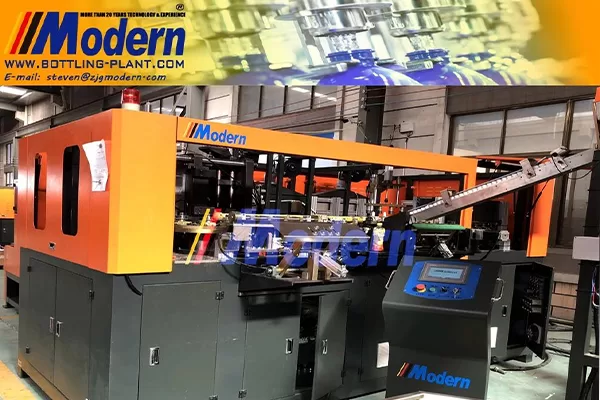
La industria de las bebidas es uno de los sectores más dinámicos del comercio mundial, caracterizado por una innovación constante y una búsqueda incesante de la eficiencia. En el corazón de esta industria se encuentra la máquina llenadora de latas de bebidas, un equipo crucial que garantiza que los productos se envasen de manera efectiva, preservando la calidad y mejorando la vida útil. Este artículo explora las diversas dimensiones de las máquinas llenadoras de latas de bebidas, su importancia en los procesos de fabricación y conocimientos prácticos para las empresas que buscan invertir en esta tecnología.
El papel de las máquinas llenadoras de latas de bebidas en la producción
Las máquinas llenadoras de latas de bebidas desempeñan un papel fundamental en la línea de producción de bebidas enlatadas, desde refrescos hasta bebidas alcohólicas. Estas máquinas están diseñadas para automatizar el proceso de llenado, aumentando significativamente la eficiencia de la producción mientras mantienen altos estándares de higiene y calidad. Las funciones principales de estas máquinas incluyen:
- Llenado: La función principal es llenar las latas con la bebida a un volumen predeterminado, asegurando la consistencia en todas las unidades.
- Tapado: Después del llenado, la máquina a menudo integra mecanismos de tapado para sellar las latas de forma segura.
- Etiquetado: Muchas máquinas modernas también incorporan sistemas de etiquetado, lo que permite una marca perfecta y el cumplimiento de los requisitos reglamentarios.
Tipos de máquinas llenadoras de latas de bebidas
Comprender los diferentes tipos de máquinas llenadoras de latas de bebidas es esencial para que los fabricantes seleccionen el equipo adecuado para sus necesidades específicas. Estos son los tipos principales:
1. Máquinas de llenado por gravedad
Las máquinas de llenado por gravedad funcionan según el principio de gravedad para llenar las latas. Son adecuadas para bebidas de baja viscosidad, como agua o refrescos. Este tipo de máquina es relativamente simple, rentable y fácil de operar.
2. Máquinas de llenado a presión
Las máquinas de llenado a presión utilizan presión para llenar las latas, lo que las hace ideales para bebidas carbonatadas. Este método ayuda a minimizar la formación de espuma durante el proceso de llenado, asegurando que las latas se llenen al nivel deseado sin desperdicios.
3. Máquinas de llenado al vacío
Las máquinas de llenado al vacío están diseñadas para productos de alta viscosidad, como jugos o salsas. Al crear un vacío, estas máquinas pueden llenar latas sin introducir aire, preservando la calidad del producto y extendiendo su vida útil.
4. Máquinas de llenado aséptico
Las máquinas de llenado aséptico son cruciales para productos que requieren un entorno estéril, como productos lácteos o ciertos jugos. Estas máquinas aseguran que tanto el producto como el envase se esterilicen antes del llenado, evitando la contaminación y el deterioro.
Características clave a considerar al elegir una máquina llenadora
Invertir en una máquina llenadora de latas de bebidas es una decisión importante para cualquier fabricante. Estas son las características clave a considerar que pueden mejorar la eficiencia operativa y la calidad del producto:
1. Velocidad y eficiencia
La velocidad de la máquina llenadora es crítica, especialmente para líneas de producción de alto volumen. Los fabricantes deben evaluar la velocidad de llenado de la máquina, medida en latas por minuto, y asegurarse de que se alinee con sus objetivos de producción.
2. Flexibilidad
La flexibilidad es esencial en el mercado acelerado de hoy. Una máquina que pueda cambiar fácilmente entre diferentes tamaños de latas y tipos de bebidas puede ahorrar tiempo y dinero a largo plazo.
3. Estándares de higiene
En la industria de las bebidas, la higiene es primordial. Busque máquinas que cumplan con los estándares internacionales de higiene y que sean fáciles de limpiar y mantener. Características como la construcción en acero inoxidable y las piezas extraíbles pueden facilitar la limpieza regular.
4. Sistemas de automatización y control
Las máquinas llenadoras modernas vienen equipadas con sistemas avanzados de automatización y control. Estos sistemas pueden monitorear el proceso de llenado en tiempo real, proporcionando análisis de datos para optimizar las operaciones y minimizar el desperdicio.
Consideraciones operativas
Una vez que un fabricante ha seleccionado una máquina llenadora de latas de bebidas adecuada, se deben abordar varias consideraciones operativas para maximizar la eficiencia y la calidad del producto:
1. Capacitación del personal
La capacitación adecuada para el personal que opera la máquina llenadora es esencial. Los programas de capacitación integral deben cubrir la operación, el mantenimiento y la resolución de problemas de la máquina para garantizar que los empleados puedan manejar el equipo de manera efectiva.
2. Mantenimiento regular
El mantenimiento de rutina es fundamental para la longevidad y el rendimiento de las máquinas llenadoras. Los fabricantes deben establecer un programa de mantenimiento que incluya inspecciones regulares, limpieza y reemplazo de piezas desgastadas para evitar tiempos de inactividad inesperados.
3. Control de calidad
Implementar un sistema sólido de control de calidad es vital en la industria de las bebidas. El muestreo y las pruebas regulares de las latas llenas pueden ayudar a identificar cualquier inconsistencia en los niveles de llenado o contaminación, lo que permite una acción correctiva inmediata.


